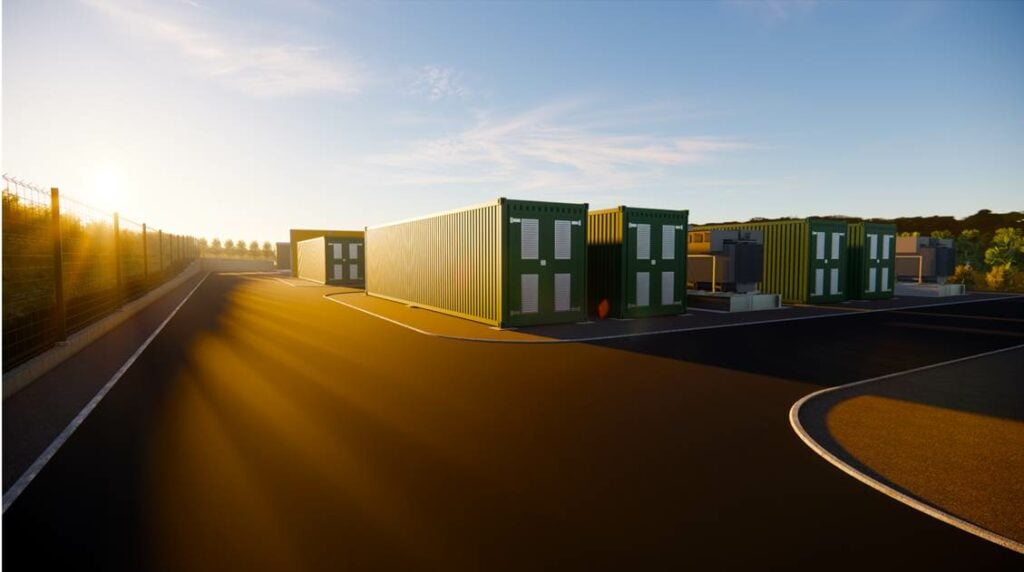
Balance Power and TagEnergy are set to capitalise on the growing interest surrounding energy storage with the firms having partnered to build, own and operate 500MW of battery energy storage system (BESS) projects across the UK.
Running alongside this partnership, the two firms will invest over £300 million (US$338.83 million) in order to construct the projects over a period of four years.
In developing energy storage projects across the UK, the partners aim to increase reliability of the region’s renewable sector and provide flexibility to the energy network. TagEnergy will become the majority owner of these projects.
The partnership will also increase TagEnergy’s current portfolio of over 300MW of ready-to-build or under construction battery projects by an additional 500MW at different stages of development.
Try Premium for just $1
- Full premium access for the first month at only $1
- Converts to an annual rate after 30 days unless cancelled
- Cancel anytime during the trial period
Premium Benefits
- Expert industry analysis and interviews
- Digital access to PV Tech Power journal
- Exclusive event discounts
Or get the full Premium subscription right away
Or continue reading this article for free
Balance Power has a further 300MW contracted and part delivered as well as an additional 1GW of projects in its development pipeline. The agreement will deliver Balance Power’s first operating BESS projects.
“We are delighted to partner with TagEnergy on these projects. We have a shared vision for the market and the team has a successful track record in delivering and operating projects which complements our own expertise and skill in project development,” said Phil Thompson, CEO of Balance Power.
TagEnergy has signed a similar partnership with Harmony Energy for two grid-scale battery energy storage projects in England and Scotland.
As part of the pair’s joint venture (JV), the two revealed their intention to develop standalone battery energy storage system (BESS) projects in Chapel Farm near the town of Luton in southern England and Jamesfield Farm near Abernethy, Scotland.
Both will use Tesla’s Megapack multi-megawatt BESS technology and will be onboarded to the Tesla Autobidder AI revenue optimisation software platform.
To read the full version of this story, visit Solar Power Portal.
Watch Energy-Storage.news recent webinar with Enel X, ‘How flexibility is key to powering sustainable returns from battery storage in the UK and Ireland,’ here.