Spain’s recent proposal for data centres could be the catalyst the country’s energy storage market has been waiting for, argues Ignacio López Martín from developer Capflex Energía.
July was a busy month for large-scale battery storage activity in the UK, with Engie commissioning a system, Masdar and Fidra hitting financial close on projects, Eku Energy buying one, project consents for Aura Power and Starlight Energy, and more.
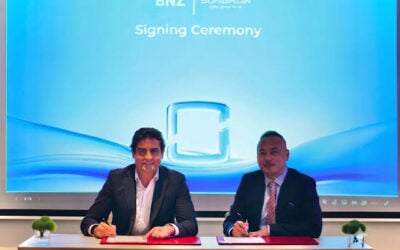
Activity in Italy’s grid-scale market is accelerating, with Sonnedix and the Strioga Family Foundation acquiring projects totalling over 1GWh combined, while BNZ and RWE have ordered BESS from Sungrow and LONGi respectively totalling 540MWh.
IPP Greenvolt has put a 99.8MW/288.6MWh BESS into commercial operation in Hungary, the largest in the country, while pipelines and projects have been progressed in Italy, France, Netherlands, Belgium and Spain.
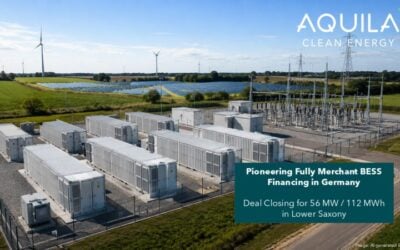
A trio of notable Germany announcements: Aquila Clean Energy EMEA has financed a merchant project, Chint Solar has sold a portfolio to Second Foundation while Twaice will provide analytics on behalf of BayWa r.e..
TagEnergy has commissioned a 240MW/480MWh project in France while Iberdrola has done the same with a 58MW/120MWh system in Spain, the two largest projects in each country. Meanwhile Engie, ACL Energy and Chint Solar Europe have moved to construction on projects in Belgium, Italy and Germany.
The situation and uncertainty around grid connections and grid fees in Germany is evolving, possibly enabling market participants to look beyond the August 2029 grid fee exemption cut-off date – although uncertainty is still very high.
BayWa r.e. will manage and maintain Germany’s largest operational BESS when it comes online later this year, while Terra One has started building a smaller project in the same state.