We continue with the second part of our feature interview with clean energy entrepreneur and financier Jigar Shah of Generate Capital. We’ve just left off discussing the risk profile of various investors and how the industry is gradually drawing attention from more traditional sources of capital, from the early adopter-venture capital mentality we have seen to date.
A 3,000MW energy storage target, proposed in Arizona as part of a grid modernisation policy, recognises the role of the technology in reducing the need for fossil fuels to stabilise the grid, a consultant has said.
Steps taken in California to enable energy storage systems to provide multiple services and to ‘stack revenues’ are “an essential starting point” for the industry, the head of California’s Energy Storage Alliance (CESA) has said.
SunEdison founder and solar financing pioneer Jigar Shah talked to Andy Colthorpe about having the ‘freedom to invest’ for the biggest impact and why, with traditional lenders still reluctant to finance energy storage, there will always be space for frontrunners who are able to properly understand the value propositions of new and innovative sustainable technologies.
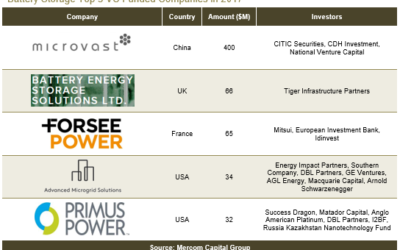
VC funding for energy storage projects increased significantly, while debt and public market financing remained “steady” during 2017, Mercom Capital has found.
Stem Inc, self-described as a supplier of “artificial intelligence-powered” energy storage, which deployed a system on average every two days last year, has closed a US$80 million Series D financing round.
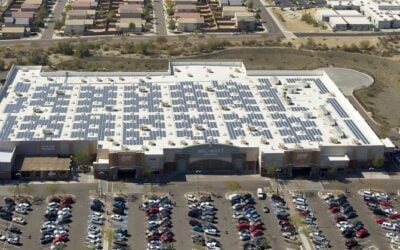
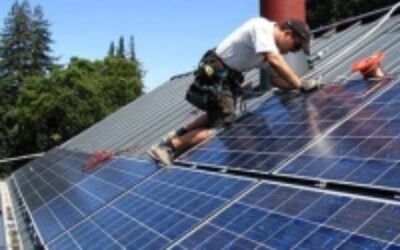
The addition of energy storage has made a 1MW community rooftop solar project in Massachusetts viable, after a long-term PPA was secured with a local utility.
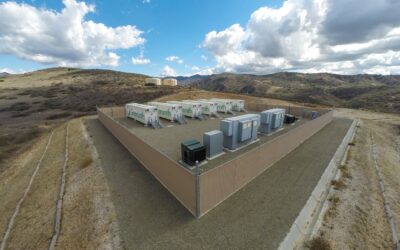
ADS-TEC has just completed and connected a 2.5MW energy storage system in Germany, designed to smooth the variable output of wind power generation, while RES Group has just been awarded a 10MW energy storage project contract in the same country.