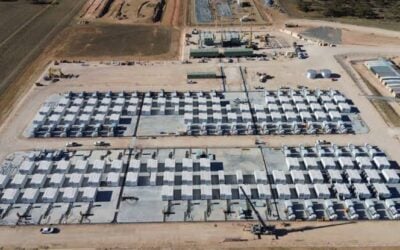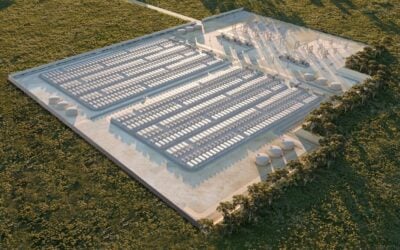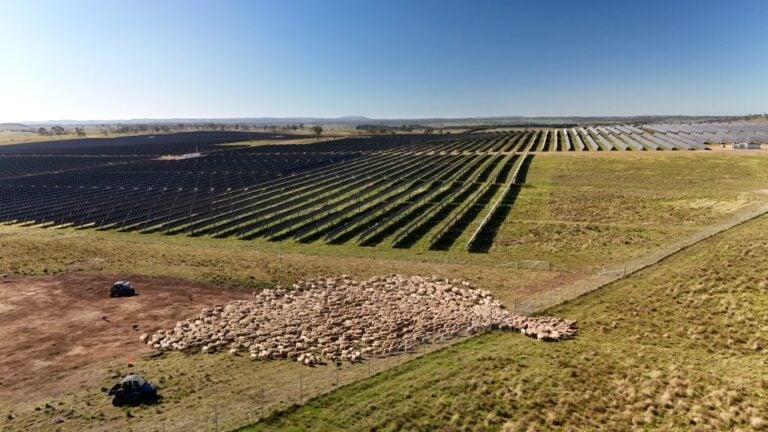
Acen Australia has submitted a 320MW solar-plus-storage project featuring a 1,400MWac battery energy storage system (BESS) in New South Wales to Australia’s Environment Protection and Biodiversity Conservation (EPBC) Act.
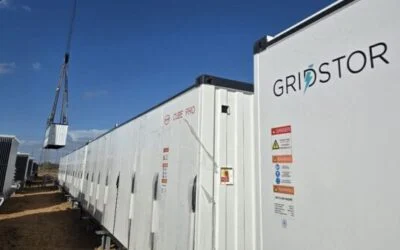
The proposed Deeargee solar PV power plant will be located 12km southeast of the township of Uralla and developed inside the New England Renewable Energy Zone (REZ). It will feature a BESS with ‘a capacity of up to 1,400MWac two-hour energy storage, which may be configured as 700MW four‑hour energy storage,’ the renewable energy developer wrote in its application.
Acen noted that the Deeargee PV plant will be located around 5km south of its existing and operational 521MWdc stage one of its New England Solar plant. The second stage will increase this generation capacity to 936MWdc. This project supplies energy to Japanese-owned drinks company Asahi Beverages and not-for-profit care company BaptistCare via a power purchase agreement inked in July 2024.
The proposed project will cover 1,544 hectares of land currently categorised as predominantly freehold. Acen confirmed it has entered into agreements with the landholders for the site.
Try Premium for just $1
- Full premium access for the first month at only $1
- Converts to an annual rate after 30 days unless cancelled
- Cancel anytime during the trial period
Premium Benefits
- Expert industry analysis and interviews
- Digital access to PV Tech Power journal
- Exclusive event discounts
Or get the full Premium subscription right away
Or continue reading this article for free
Planning documents submitted to the Australian government’s EPBC Act outline that the project will utilise around 750,000 solar PV modules. An on-site substation will be constructed and connected to the BESS and the solar PV power plant. A new transmission line will connect the project to either the infrastructure proposed as part of the New England REZ or the existing 330kV line located around 8km north of the solar array.
Acen said the project’s construction phase will last around 24 months and require 400 workers to complete. Once operational, the solar-plus-storage site will last for 30 years, with the potential to be repowered at the end of the PV modules’ technical life. Should this occur, the project’s lifespan could extend up to 50 years.
This article first appeared on our sister site PV Tech.