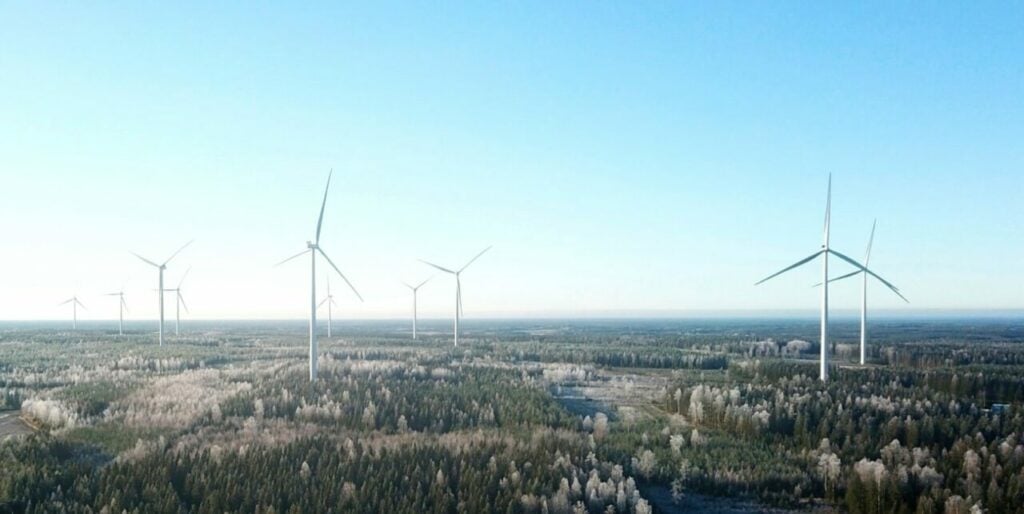
Finnish utility Helen is launching a 40MW battery energy storage system (BESS) project in Nurmijärvi, southern Finland, and aims to begin commercial operation in 2025.
The project is being developed by investor Evli-Rahastoyhtiö Oy, which will continue as a co-investor alongside Helen once the project is completed. It will connect to the grid operated by transmission system operator (TSO) Fingrid.
Helen is targeting carbon neutrality across its operations by 2030 and removing fossil fuels from its energy mix by 2040, and increasing the flexibility of the energy system is core to its strategy, CEO Olli Sirkka said. The new BESS will participate in Fingrid’s reserve ancillary services market.
The BESS project will comprise 36 lithium-ion shipping container-sized modules though Helen didn’t reveal the provider.
Try Premium for just $1
- Full premium access for the first month at only $1
- Converts to an annual rate after 30 days unless cancelled
- Cancel anytime during the trial period
Premium Benefits
- Expert industry analysis and interviews
- Digital access to PV Tech Power journal
- Exclusive event discounts
Or get the full Premium subscription right away
Or continue reading this article for free
International conglomerate Siemens has been developing the project together with Evli and will continue as an operation and management partner, Helen said. Siemens and US utility and energy firm AES hold a controlling stake in Fluence, one of the world’s biggest BESS providers (which coincidentally released its latest financial results yesterday evening).
Helen didn’t reveal the energy storage capacity in megawatt-hours (MWh), although it has published an expansion plan for the project, which could ‘double the storage capacity’. However, it isn’t clear if that means the megawatt power or the undisclosed megawatt hour capacity.
New BESS projects in Finland are generally moving to 2-hour durations, including the largest under-construction at 112.9MWh, by IPP Neoen, which optimiser Capalo AI explained in our coverage of that project last week. Essentially, new state-of-charge rules and increasing opportunities in energy trading have driven the business case beyond 1-hour.
Energy-Storage.news’ publisher Solar Media will host the 9th annual Energy Storage Summit EU in London, 20-21 February 2024. This year it is moving to a larger venue, bringing together Europe’s leading investors, policymakers, developers, utilities, energy buyers and service providers all in one place. Visit the official site for more info.