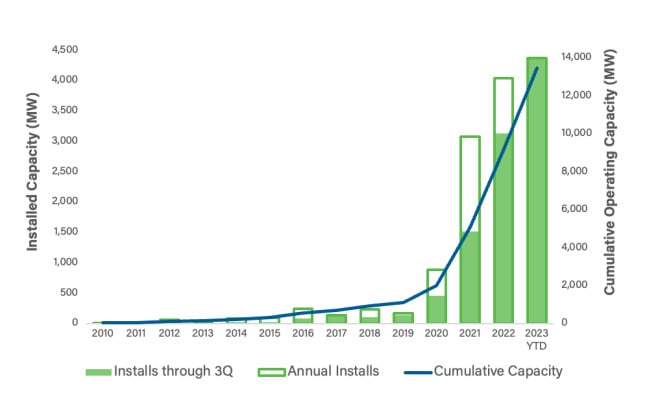
The amount of large-scale battery energy storage systems (BESS) completed in the US as of Q3 2023 already exceeds the whole of 2022, American Clean Power (ACP) said.
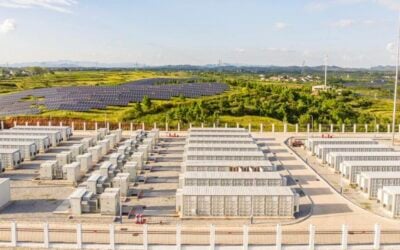
A total of 2,142MW/6,227MWh of large-scale BESS came online in the third quarter in the US, 21% up quarter-on-quarter and 63% up year-on-year, the trade body said in its Q3 2023 market report covering all clean energy technologies.
For the first three quarters of the 2023 combined a total of 4,500MW has come online, while last year saw around 4,000MW come online. By MWh capacity, this year has seen around 13,000MWh come online versus around 12,000MWh for the whole of 2022.
The Q3 data is comprised of 30 large-scale projects, of which 11 were standalone and 19 were co-located with wind or solar.
Try Premium for just $1
- Full premium access for the first month at only $1
- Converts to an annual rate after 30 days unless cancelled
- Cancel anytime during the trial period
Premium Benefits
- Expert industry analysis and interviews
- Digital access to PV Tech Power journal
- Exclusive event discounts
Or get the full Premium subscription right away
Or continue reading this article for free
The largest of these was the first NextEra Energy Resources’ Desert Peak Project in California at 325MW/1,300MWh, while its 75MW second phase also came online during the third quarter.
Looking forward, the BESS development pipeline in the US – defined as under construction or in ‘advanced’ development – has grown by 50% year-on-year to around 21.5GW/62.1GWh, comprised of 262 projects. Some 9.3GW of this is in California with 3.2GW in Texas, and Arizona – which has seen a flurry of announcements recently – third with 2.5GW.
Q3 was the highest third quarter on record for installations across clean energy, ACP said.
For a in-depth look at the solar deployments seen during the quarter, see our sister site PV Tech‘s coverage of the ACP’s release here.
Our publisher Solar Media is hosting the 10th Solar and Storage Finance USA conference, 7-8 November 2023 at the New Yorker Hotel, New York. Topics ranging from the Inflation Reduction Act to optimising asset revenues, the financing landscape in 2023 and much more will be discussed. See the official site for more details.