With the recognition that “battery technology holds the key” to a future of cleaner transport and flexible, resilient electricity grids, four key US government departments have jointly established a Federal Consortium for Advanced Batteries (FCAB).
The US is the global leader in stationary battery storage deployments for the grid, with Wood Mackenzie Power & Renewables recently finding that despite the COVID-19 downturn, the country just saw its second-highest quarterly figures for new installations.
However, the US is heavily reliant on imported lithium-ion batteries and raw materials, mainly from China, as well as from, to a lesser extent, South Korea and Japan. While the European Union has sought to turn this situation around by supporting its domestic value chain through the establishment of the European Battery Alliance, pumping in billions of Euros of investment into companies developing gigafactories across the continent, the picture in the US has been limited to a handful of efforts by private actors. At the beginning of this month, the European Commission also put lithium alongside other battery raw materials onto a list of Critical Raw Materials that the EU’s Member States should ensure access to the supply of.
In April, as supply chain disruptions effected by the coronavirus hit multiple US industries, one battery industry veteran and expert, Francis Wang, CEO of battery materials startup Nanograf, said the crisis put the US’ dependency on importing goods, particularly batteries for advanced energy storage and electric vehicles, firmly in the public eye.
Try Premium for just $1
- Full premium access for the first month at only $1
- Converts to an annual rate after 30 days unless cancelled
- Cancel anytime during the trial period
Premium Benefits
- Expert industry analysis and interviews
- Digital access to PV Tech Power journal
- Exclusive event discounts
Or get the full Premium subscription right away
Or continue reading this article for free
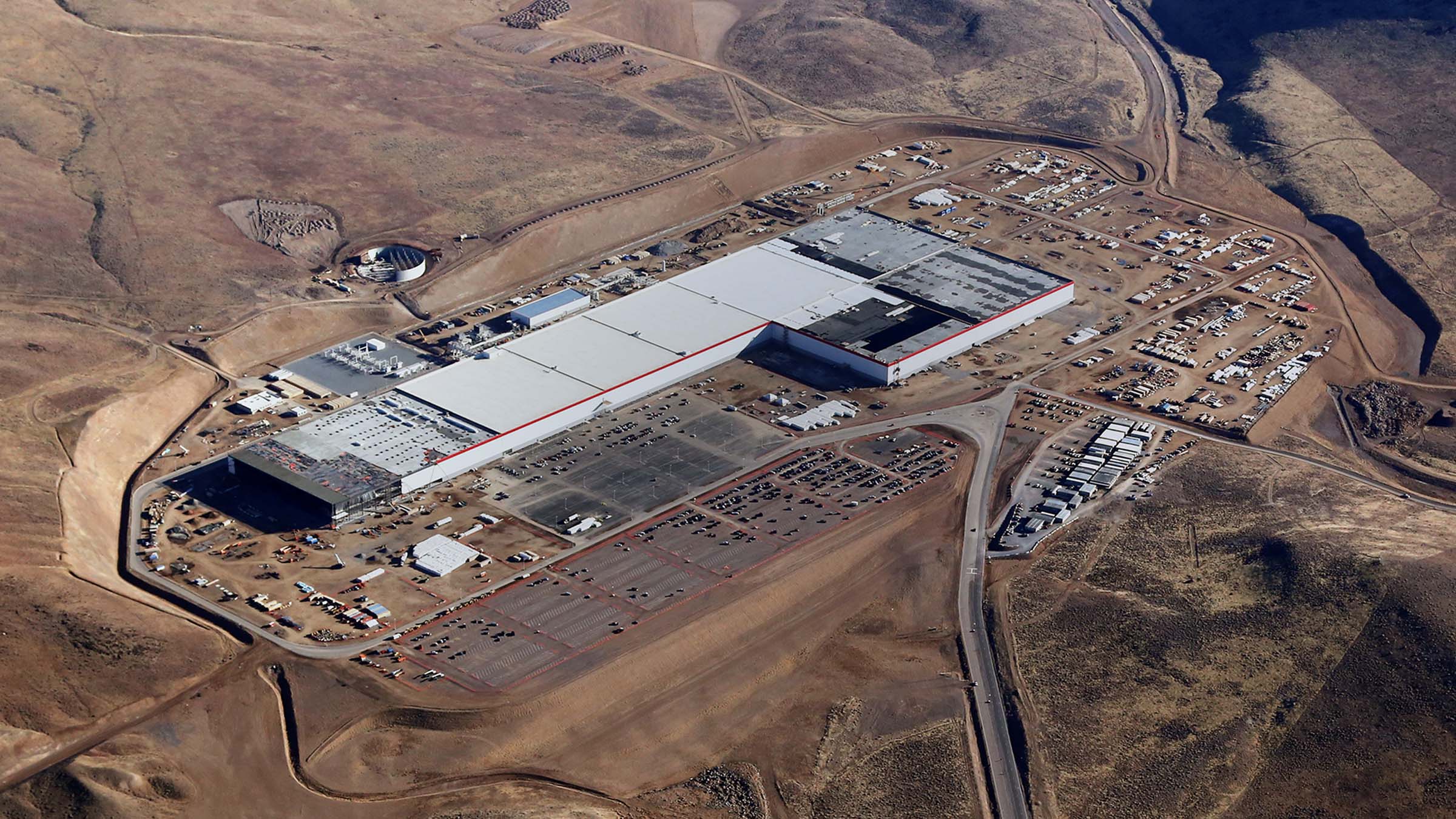
Tesla’s Nevada gigafactory is the only major facility already up and running from a US-headquartered company, while startup KORE Power is seeking to establish a 10GWh battery and energy storage system for the grid and industrial markets but is yet to pinpoint a location and site. There is a gigafactory for EV batteries under construction by South Korean company SK Innovation in the US state of Georgia and another on the way with the company investing about US$1.67 billion in the state overall to create an annual production capacity of just over 20GWh, while German company AKASOL is planning a similar but much smaller EV battery production facility in Greater Detroit, Michigan.
At August’s Energy Storage Association conference, which took place online, Department of Energy Deputy Secretary Mark Menezes spoke in his keynote address about the importance of energy storage for US competitiveness as well as the commitment of the DoE to advancing energy storage.
Last week, the US Departments of Energy, Commerce, Defense and Department of State together launched the FCAB, which a Department of Energy (DoE) statement said will “accelerate the development of a robust, secure, domestic industrial base for advanced batteries”. Each of the Federal agencies has a stake in seeing this mission through and the FCAB will encourage them to cooperate and coordinate their efforts.
With the coming of the electric vehicle (EV) “transformation”, as well as the creation of the “grid of the future with integrated resiliency and flexibility”, world energy markets could also be fundamentally transformed and new industries created, the collective departments said. A “world-wide race to capture the advanced battery market” is already underway.
An FCAB statement said that US research and development (R&D) leadership in advancing battery technologies is yet to translate into a sustainable supply chain for the domestic market, one that would remain in place despite supply chain disruptions.
The FCAB’s creation follows on from the launch last year of the DoE’s Energy Storage Grand Challenge (ESGC) – a cross-departmental effort which is being managed by the DoE’s Research Technology Investment Committee (RTIC). This includes a focus on three areas of creating “global leadership in energy storage” in the US: “Innovate here”, “Make here” and “Deploy everywhere”.