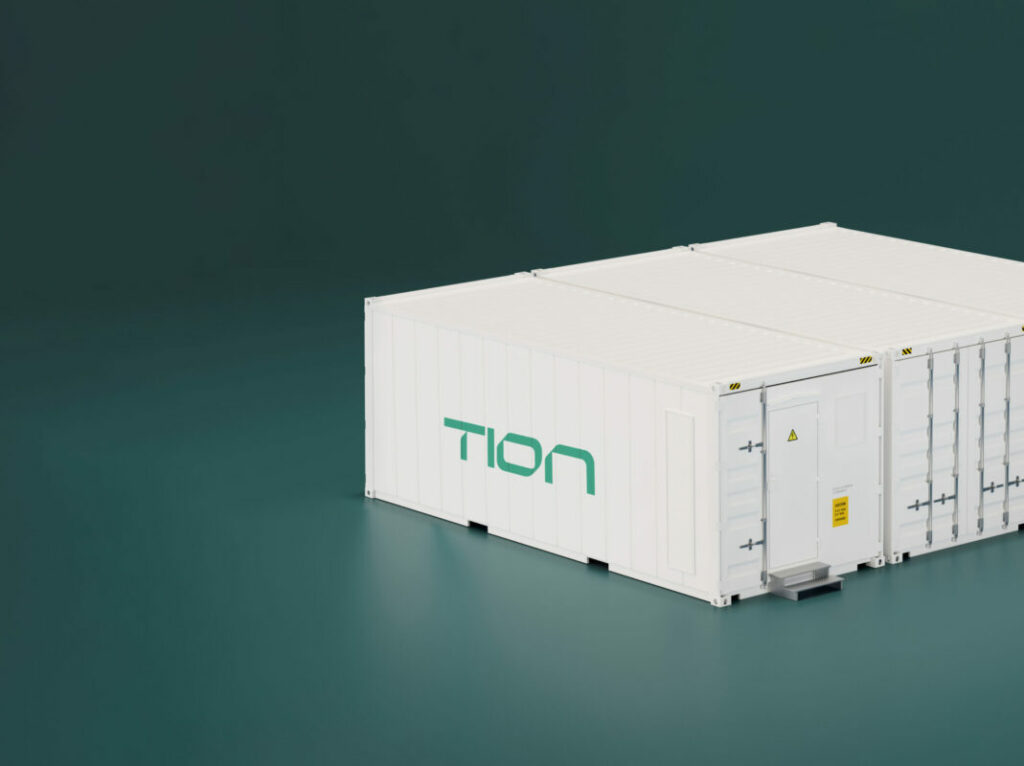
Developer Tion Renewables AG has acquired a 10MW/13MWh battery energy storage system (BESS) project in Thuringia, Germany, whilst pulling out of a deal in the UK.
The lithium-ion BESS is connected directly to the German electricity grid and is currently under construction, scheduled to come online in the second half of 2024.
According to the renewable asset operator, it will acquire 90% of the Thuringia project in two phases, with the project developer and seller to remain invested with 10%.
The grid-scale BESS market in Germany has picked up in the past year, as explored in a special report in an edition of our quarterly journal PV Tech Power last year.
Try Premium for just $1
- Full premium access for the first month at only $1
- Converts to an annual rate after 30 days unless cancelled
- Cancel anytime during the trial period
Premium Benefits
- Expert industry analysis and interviews
- Digital access to PV Tech Power journal
- Exclusive event discounts
Or get the full Premium subscription right away
Or continue reading this article for free
Most recently, developed Kyon Energy revealed it had sold nearly 200MW of projects to investor Obton as part of a 600MW framework agreement while a 100MW/200MWh project started construction in Arzberg, both announced in December.
Tion withdraws from UK BESS project
Wind and solar project are prominent within Tion’s portfolio, however in November 2022 it acquired its first BESS project – a 8MW/9.3MWh in Bacup in the northwest of England.
Although the project was expected to go live in the first half of 2023, the company confirmed in the same release announcing its Germany acquisition that it has exercised its right to withdraw from the purchase agreement in December 2023, due to “to subsequent delays in the construction phase, in particular relating to the grid connection.”
Grid connection delays represents one of the major challenges to deploying BESS, in the UK and elsewhere, with interconnection queues flooded by far more projects than can be built or accomnodated for with network upgrades.
UK transmission system operator (TSO) National Grid recently took steps to accelerate the connection of some 10GW of large-scale BESS projects by up to four years, covered by our sister site Current.
Energy-Storage.news’ publisher Solar Media will host the 9th annual Energy Storage Summit EU in London, 20-21 February 2024. This year it is moving to a larger venue, bringing together Europe’s leading investors, policymakers, developers, utilities, energy buyers and service providers all in one place. Visit the official site for more info.