A few weeks ago, a battery recycling deal was announced for a 640MWh BESS project in Australia, but the project isn’t even built yet and the cells have 25-year warranties – we caught up with the company recycling the batteries to hear more.
Energy-Storage.news reported on the deal for Livium to recycle the lithium-ion 314Ah lithium-ion batteries from the 224MW/640MWh Woolooga solar co-located project for technology provider Hithium, and in this follow-up piece we hear what broader industry trends are driving deals like this, from Livium CEO Simon Linge.
BESS a bigger source of battery recycling in Australia
The ASX-listed firm operates across the battery supply chain, including lithium mining technology, lithium iron phosphate (LFP) battery cathode material manufacturing, and battery recycling.
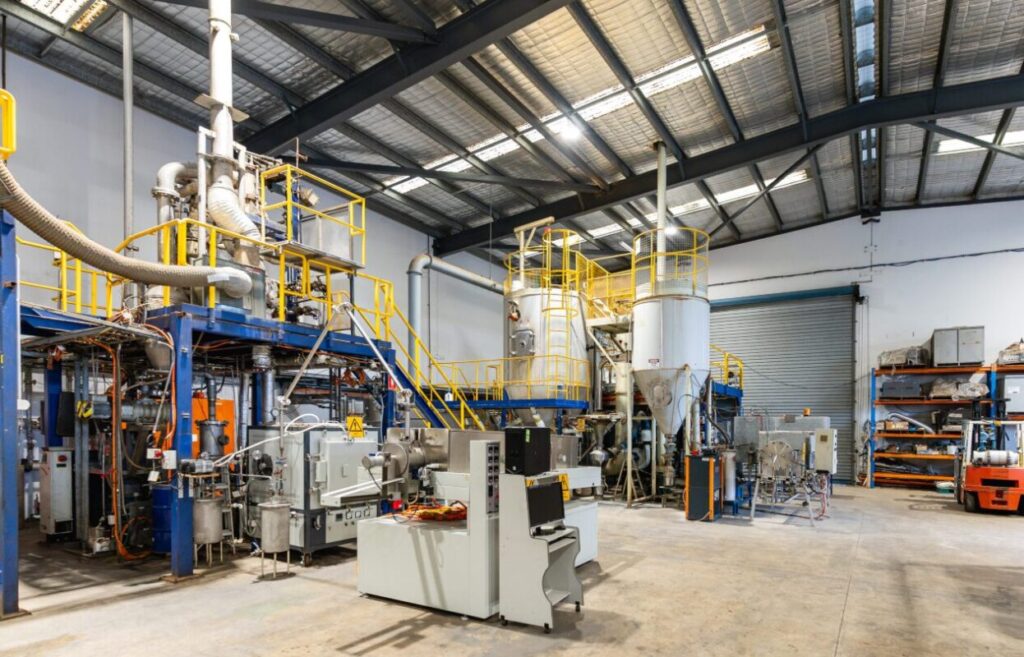
It does the dismantling, testing, sorting, shredding of used batteries into black mass, sent to recycling partners for separation into the various high-value metals for onward sale.
Try Premium for just $1
- Full premium access for the first month at only $1
- Converts to an annual rate after 30 days unless cancelled
- Cancel anytime during the trial period
Premium Benefits
- Expert industry analysis and interviews
- Digital access to PV Tech Power journal
- Exclusive event discounts
Or get the full Premium subscription right away
Or continue reading this article for free
Partners in Australia from which it receives batteries include Hyundai, Volvo, Tesla and now Hithium too. EVs and battery energy storage systems (BESS) were the bulk of its 736 tonnes of large-format batteries processed last year, with BESS actually the larger of the two, Linge said.
This is different to recyclers in Europe and the US Energy-Storage.news has spoken to where EVs and battery scrap dominate. This is because of Australia’s very high penetration of home and commercial solar and batteries associated with them, lower EV penetration and a non-existent battery manufacturing industry (the main source of battery scrap, along with extreme weather damaging BESS).
“There have been a few recall programmes that have been put in place and we’ve been there to be able to support our clients in any of those recall programmes. And we see an underlying kind of failure rate a year, across EVs or ESS, on average of about 1%,” Linge adds.
Why a BESS supplier would agree a recycling deal so early
Linge said at the time that the Hithium deal would create a domino effect, resulting in similar recycling deals for other large-scale storage projects. But its term of three years with an extension option of two years raised the question of why, considering the lifetime of the project.
While not commenting on the Hithium deal specifically, Linge explained that there are numerous factors which would drive such a deal, namely ESG obligations, financial accounting and a broader trend around material availability in the battery industry.
“The technology suppliers come to a deal like this from either an obligation as part of the development or just an inherent ESG view of the world and wanting to make sure that they have an overarching strategy around the end of the project’s life,” Linge said.
“Secondly, I think clients recognise that they have failures through the life of an installation. You’re probably looking at about 1% on average. You know, it is a pretty exacting thing putting a BESS site together and you only need a small error. Having a home for that in-place, someone who can help you understand why it failed, if there is a broader issue, that is really important.”
The second reason is more financial and relates to spreading the cost of recycling over the lifetime of the project rather than waiting until recycling is needed and paying a lump sum.
“We also have clients who are looking also to amortise the cost of the recycling early on up through the life of the project, rather than having a lump sum at the end. They’d rather build it into their model and their cost structures from the get go and have a subscription agreement where there’s someone there to help them dispose of safely and process batteries through the life of the project, including to the end, without suddenly getting a lump payment right at the end,” Linge said.
This relates to a pivot in Livium’s commercial model, from deriving its recycling revenues from the sale of raw materials, to instead providing a service of dismantling, collection, processing and recycling and that when it comes to selling the raw materials, it shares the risk or benefit with its clients – metals prices fluctuate, creating risk.
EU Battery Passport
The other driver of a greater focus on recycling is the EU Battery Passport which will come in from 2027 and mandate minimum levels of recycled content in new batteries in phased, annual increases. That is having a knock-on effect on battery OEMs globally along with concerns around raw material availability.
“Undoubtedly it’s on their mind. They’re not sure how it’ll work and it’s still a few years off, but there’s a degree of uncertainty about application,” Linge said.
“The reality is also that there is a forecasted shortfall in battery materials relative to supply somewhere down the line. All of them are looking forward to say, five or ten years from now, and saying they want to be able to make sure they know where that material is, where it’s gone, and maybe I want to buy it back.”
“Basically: the stuff that I put in the battery in the first place is mine, so creating a a circular loop, because economically that’s going to be important for them.”
So that could include having options to buy back the output materials as part of recycling contracts? Linge: “Certainly, in some of our contracts with clients, we have that we have that option in that contract that if they want to buy, they can buy the material back at a market rate.”