For California to achieve its target of eliminating greenhouse gas (GHG) emissions from its electricity sector by 2045, the state will need to deploy between 45GW and 55GW of long-duration energy storage, a new study has found.
Energy storage’s potential and value needs to be allowed to shine for Canada to achieve its goal of net-zero emissions by 2050 – and to avoid being left behind in the international race to modernise global energy systems.
Chilean authorities have announced plans to carry out an auction next year, looking to procure 2,310GWh of renewable power from generation and storage.
Policymakers for New South Wales in Australia have been debating a bill to co-ordinate investment in the state’s electricity infrastructure that includes 2GW of long-duration energy storage and AU$50 million (US$36.71 million) support for green hydrogen over 10 years.
Energy-Storage.news was delighted to host a sponsored webinar with consultancy Clean Horizon on the Israeli context for renewables and storage as the country undergoes an ‘electricity revolution’ – and you can watch the whole thing on our YouTube channel.
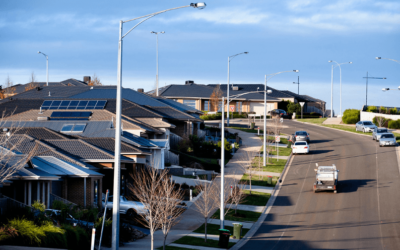
The Australian state of Victoria has doubled down on its rooftop solar and home battery subsidy programme as part of a drive to help households cover the cost of their power bills while making properties more energy efficient.
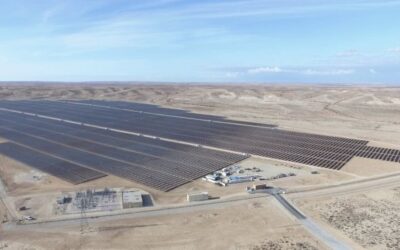
As much as 8GWh of energy storage may be required to enable Israel’s policy aim of sourcing 30% of its electricity from renewables by 2030 and to enhance the reliability of the electricity grid.
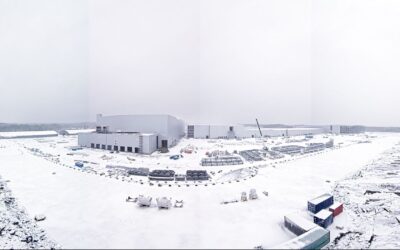
What does it take to successfully create a multi-gigawatt battery storage factory? Energy-Storage.news’ editor Andy Colthorpe moderates a discussion with some key players in Europe’s race to create a home-grown value chain.
Germany’s draft renewable energy laws, which the government is seeking to introduce next year, have been heavily criticised by energy storage systems association BVES.