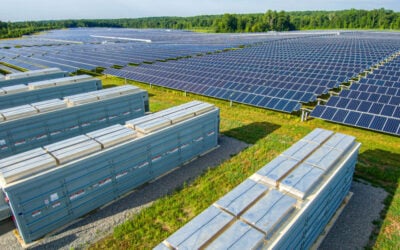
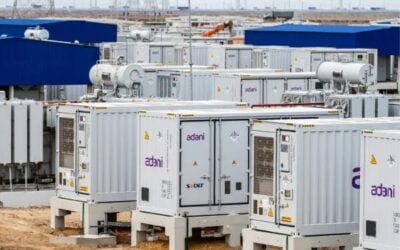
US utility Dominion Energy plans to build 3.5GW of battery energy storage systems (BESS) over the next 20 years according to its recently filed integrated resource plan (IRP).
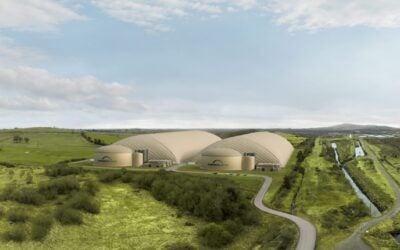
Developer Ikigai Energy and LDES firm RheEnergise have signed an MOU to develop a pipeline of projects in Italy using the latter’s ‘high-density hydro’ (HD Hydro) technology.
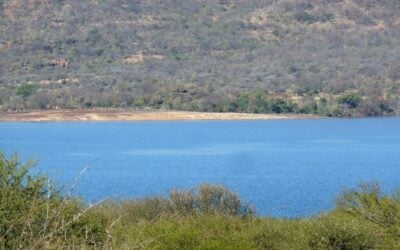
South Africa continues its push for energy storage capacity, with utility and grid operator Eskom issuing a call to work on a 21GWh pumped hydro energy storage (PHES) project.
AI data centres have energy and power requirements demanding enough to potentially stretch lithium-ion beyond its versatile limits, writes Intertek CEA market intelligence consultant Aaron Marks.
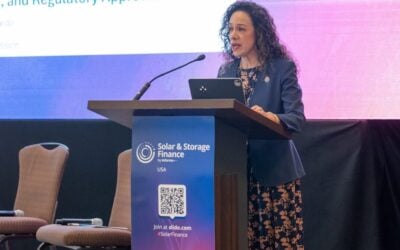
Energy-Storage.news spoke with Noemí Gallardo, Commissioner at the California Energy Commission (CEC), at the US Solar & Storage Finance event in Garden Grove, California, about the growth of BESS within the state.
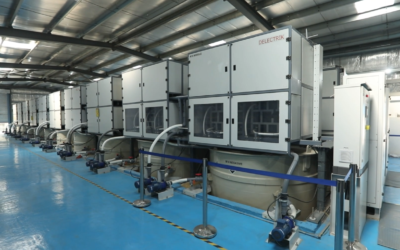
Vishal Mittal, founder and CEO of Delectrik makes the case for flow batteries to meet India’s long-duration needs in an exclusive ESN Premium interview.
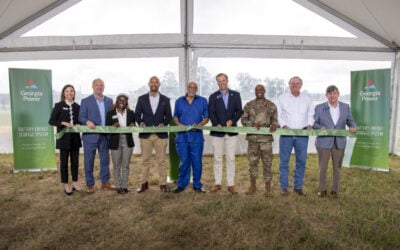
In this US news roundup, Eos has received an advance on its DOE loan, FlexGen and Lighshift have partnered on 16 BESS projects, and Georgia Power has energised a 128MW BESS.