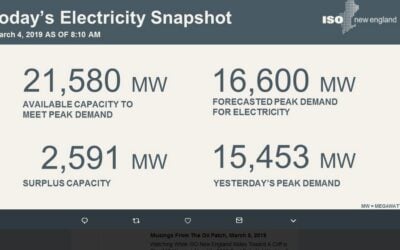
Revisions aimed at enabling energy storage’s participation in wholesale markets, proposed by New England’s Independent System Operator (ISO) have been accepted by the Federal Energy Regulatory Commission (FERC), effective 1 April this year.
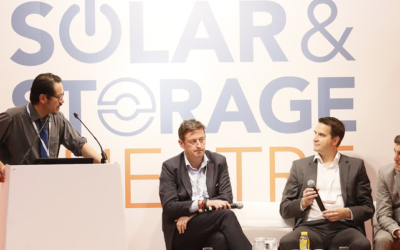
Managing investor expectations and monetising demand for flexibility are key to future-proofing the industry’s business case, financiers stress at Energy Storage Summit.
Described as a project of ‘strategic importance’ for India’s entire energy sector, the country’s first grid-scale lithium-ion battery energy storage system officially went into service this week.
The Australian Renewable Energy Agency (ARENA) has approved A$6 million of funding for the country’s first compressed air energy storage (CAES) project.
Today, energy storage projects often fail to deliver value because of economic miscalculations. These computational issues, however, can now be mitigated by applying software, analytics and machine learning, write Enrico Ladendorf and Bryce Evans of Pason Power.
After another record-breaking year, in which the US surpassed 1GWh of deployed energy storage and China began its programme of building flow batteries several hundred megawatts in size each, we canvassed opinion on what 2018’s biggest challenges and successes were. In this first part, we look at the challenges faced by the industry in 2018.
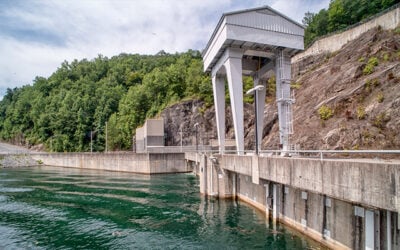
The US Department of Energy (DOE) has announced that it will provide assistance to “techno-economic” studies for two pumped storage hydropower plants, with a combined generation capacity close to 2GW.
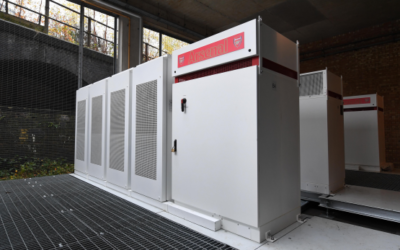
Arsenal football club’s Emirates Stadium has become home to what could be the first behind the meter battery of its size aimed at wholesale energy trading over frequency response.
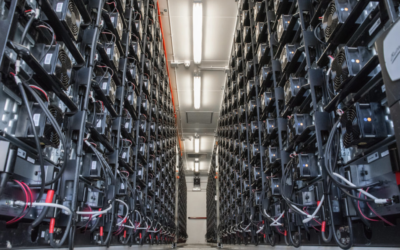
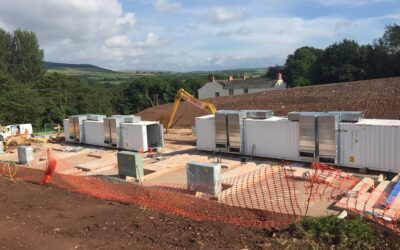
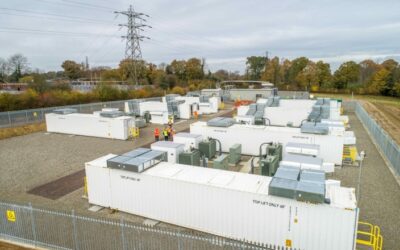
NEC Energy Solutions has been selected by the UK’s first listed fund targeting energy storage to deliver two projects totalling 19MW, including what could be the largest behind the meter installation in the country.