London Stock Exchange-listed battery storage investment firm Harmony Energy Income Trust (HEIT) has predicted that it can generate “attractive returns” despite the ongoing woes in battery energy storage revenues in the GB market.
Energy storage systems (ESS) will become India’s most invested-in clean energy asset class during this decade, but it’s likely to be pumped hydro, not lithium-ion batteries, that see the most deployments.
After a difficult couple of years which saw the trend of falling lithium battery prices temporarily reverse, a 14% drop in lithium-ion (Li-ion) battery pack cost from 2022-2023 has been recorded by BloombergNEF.
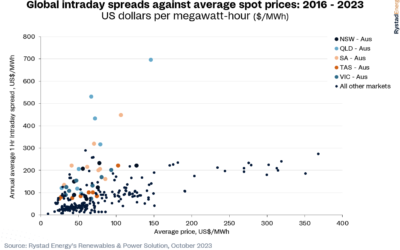
Australia’s National Electricity Market (NEM) has been handed the title of “most volatile electricity market” in the world, with an urgent need for energy storage to mitigate that volatility.
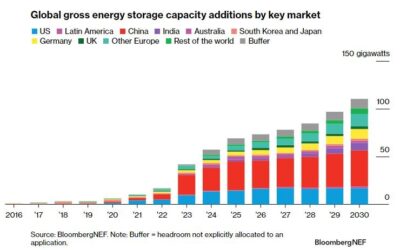
Cumulative energy storage installations will go beyond the terawatt-hour mark globally before 2030 excluding pumped hydro, with lithium-ion batteries providing most of that capacity, according to new forecasts.
Justin Rangooni, executive director of Energy Storage Canada, explains why hitting the country’s 2050 net zero target will be impossible without at least 8GW of energy storage by 2035.
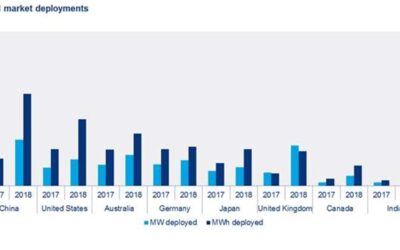
Grid-connected energy storage deployments have enjoyed a compound annual growth rate (CAGR) of 74% worldwide in the years 2013 to 2018, with a “boom” in deployment figures expected over the next five years, analysis firm Wood Mackenzie has said.
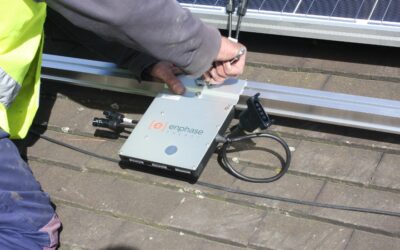
Energy storage is likely to be worth “tens of billion dollars in the next five to 10 years” across a number of global regions, according to executives at solar microinverter firm Enphase.