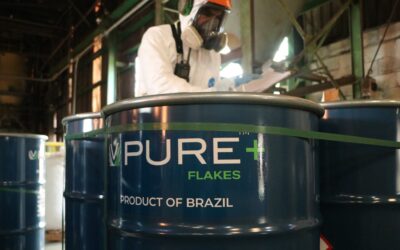
Using vanadium for battery electrolytes could be twice as profitable as supplying it for steel production, which is currently the major industrial use for the abundant metal, vanadium producer Largo Resources has said.
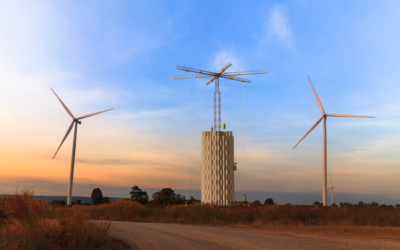
This edition of our news in brief from around the world focuses on novel technologies promising several hours or more of competitively-priced energy storage.
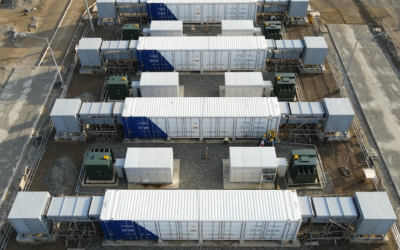
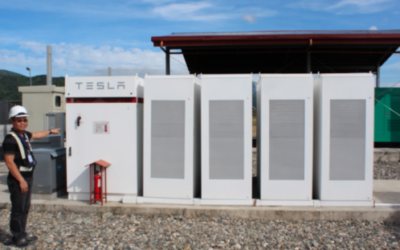
Fluence has completed the commissioning of two large-scale battery projects in the Philippines, following similar announcements by rivals ABB and Wärtsilä.
While much attention is paid to the need to recycle electric vehicle (EV) batteries, stationary energy storage systems are also “playing a crucial role in the big picture of battery recycling,” Li-Cycle’s chief commercial officer has said.
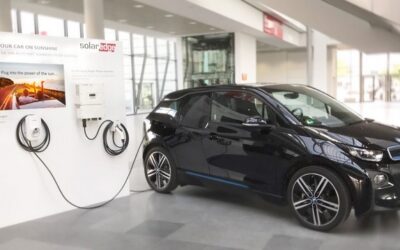
Domestic vehicle-to-grid (V2G) can deliver ancillary services to the UK’s electricity network and earn revenues, but what is thought to be the world’s biggest trial of the technology has found that the costs of associated hardware are still too high for many consumers.
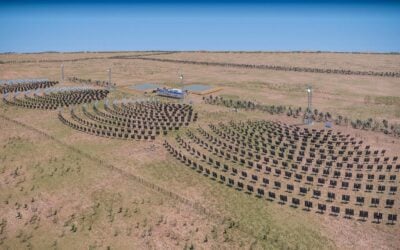
Construction is set to begin in Australia on a grid-scale power generation and long-duration energy storage project combining solar power and thermal energy storage, after the company behind the project said this morning that funding has been secured.
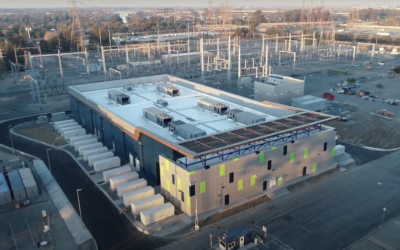
Commissioned at the start of this year, the Alamitos Battery Energy Storage System in California is a landmark project for the industry in having competed against natural gas to provide peaking capacity for the grid. Andy Colthorpe finds out the project’s backstory.
A company that pairs available energy capacity with the needs of electric utilities is preparing to put 288MW of flexible power onto the California grid in time for the summer peak in electricity demand that threatens energy security across the state each year.