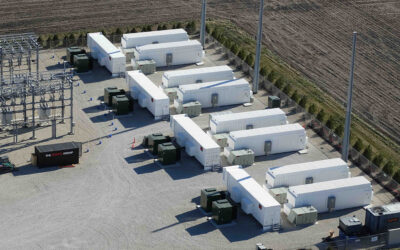
Another 500MW of energy storage procurement targets have been bestowed onto California’s three main investor-owned utilities by the state’s Public Utilities’ Commission (PUC), on top of an existing 1.325GW mandate.
Distributed energy technologies such as solar and battery-based energy storage could save Australia AU$101 billion (US$75 billion) by 2050 and completely eliminate greenhouse gas emissions, according to a new report from CSIRO and Energy Networks Australia (ENA).
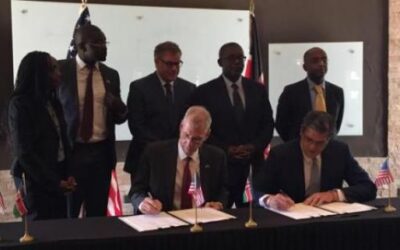
The US Trade and Development Agency (USTDA) is continuing its mission of funding priority development projects in emerging economies, this time by signing two grants that leverage US technology and investment to increase access to affordable, reliable electricity in Kenya.
The Department of Energy (DoE) of the Philippines has progressed solar projects with a combined total of 162MW of capacity, along with a 30MW battery energy storage project to grid impact testing (GIS) stages, according to consulting firm Enerdata.
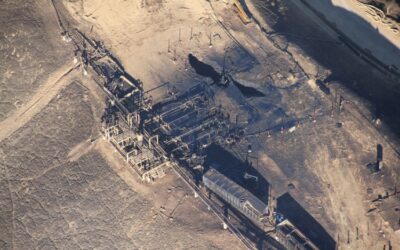
In the first of a two-part blog series on the energy storage response to the infamous Aliso Canyon gas leak in California, Energy-Storage.News sets the scene of how the California Energy Commission and chosen system suppliers got their heads around solving a mammoth power shortage with many, many batteries, in a race against time.
The US Trade and Development Agency (USTDA) is promoting a Request for Proposals (RfP) to US companies to design, build and install hybrid solar PV and energy storage microgrid generation systems in Haiti.
In the spirit of harnessing clean energy and enhancing grid reliability, Californian utility San Diego Gas & Electric (SDG&E) has signed contracts for 83.5MW of energy storage.
Projects that demonstrate how energy storage can benefit a wide range of stakeholders and the electric grid can compete for US$15.5 million of funding from the New York State Energy Research and Development Authority (NYSERDA).
Clearly, renewable energy is now a viable alternative to traditional generation from a cost perspective. However solar and wind’s penetration of the grid is constrained by ageing infrastructure, high grid connection costs and their intermittent, weather-dependent nature. Scott McGregor looks at how long-duration energy storage on an industrial scale can help.