Aimed at ensuring reliability of electricity supply in the era of renewable energy, India’s Central Electricity Regulatory Commission has drafted ancillary services market regulations allowing for energy storage and demand response resources to participate.
It is increasingly becoming recognised that energy storage is crucial in helping the UK to meet its targets for reducing emissions and ensuring reliability of the energy system. In this panel discussion from the Energy Storage Summit 2021 held earlier this year, experts and stakeholders discuss what sort of changes might need to happen to make that contribution possible.
Two trade associations in the US have made significant changes with the aim of advocating for policies supporting the energy storage industry at federal and state-level.
Experts, technology providers and energy system stakeholders discuss how the need for long-duration energy storage can be met, in this panel discussion from the Energy Storage Summit USA hosted earlier this year by our publisher Solar Media.
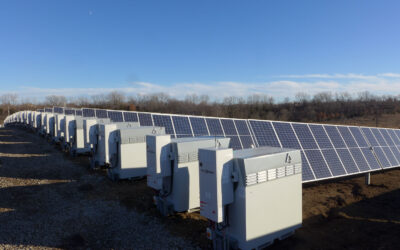
Here are three interesting new California projects using solar and storage storage we’ve learned about in the past few days that combine technologies and applications to maximise the benefits of battery storage and solar.
The California Public Utility Commission (CPUC) has tabled plans to mitigate a potential shortfall of electricity through the rapid procurement of new capacity over the next five years, 90% of which must be non-emitting firm resources.
Connecticut’s Senate has passed a bill targeting the deployment of 1,000MW of energy storage by the end of 2030, which when signed into law by the state’s governor will make it the eighth state jurisdiction in the US so far to introduce either a target or mandate for energy storage.
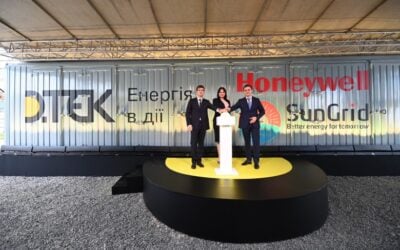
The first pilot deployment of a large-scale electrochemical energy storage system (ESS) has been completed in the Ukraine, less than a year after system supply contracts were signed.
With a project pipeline in excess of 14GW, a developing regulatory envelope and maturing revenue streams, the UK’s energy storage sector continues to be at the forefront globally. Molly Lempriere charts the market’s development to date and uncovers how it has responded to deployment barriers.