A £31 million (US$38.06 million) demonstrator project in the UK, integrating heat, transport and energy is to progress despite COVID-19 restrictions.
The SmartHubs Smart Local Energy Systems (SLES) project in West Sussex, a county in southern England, is looking to integrate the decarbonisation of heat, transport and energy across social housing, infrastructure and private and residential commercial properties.
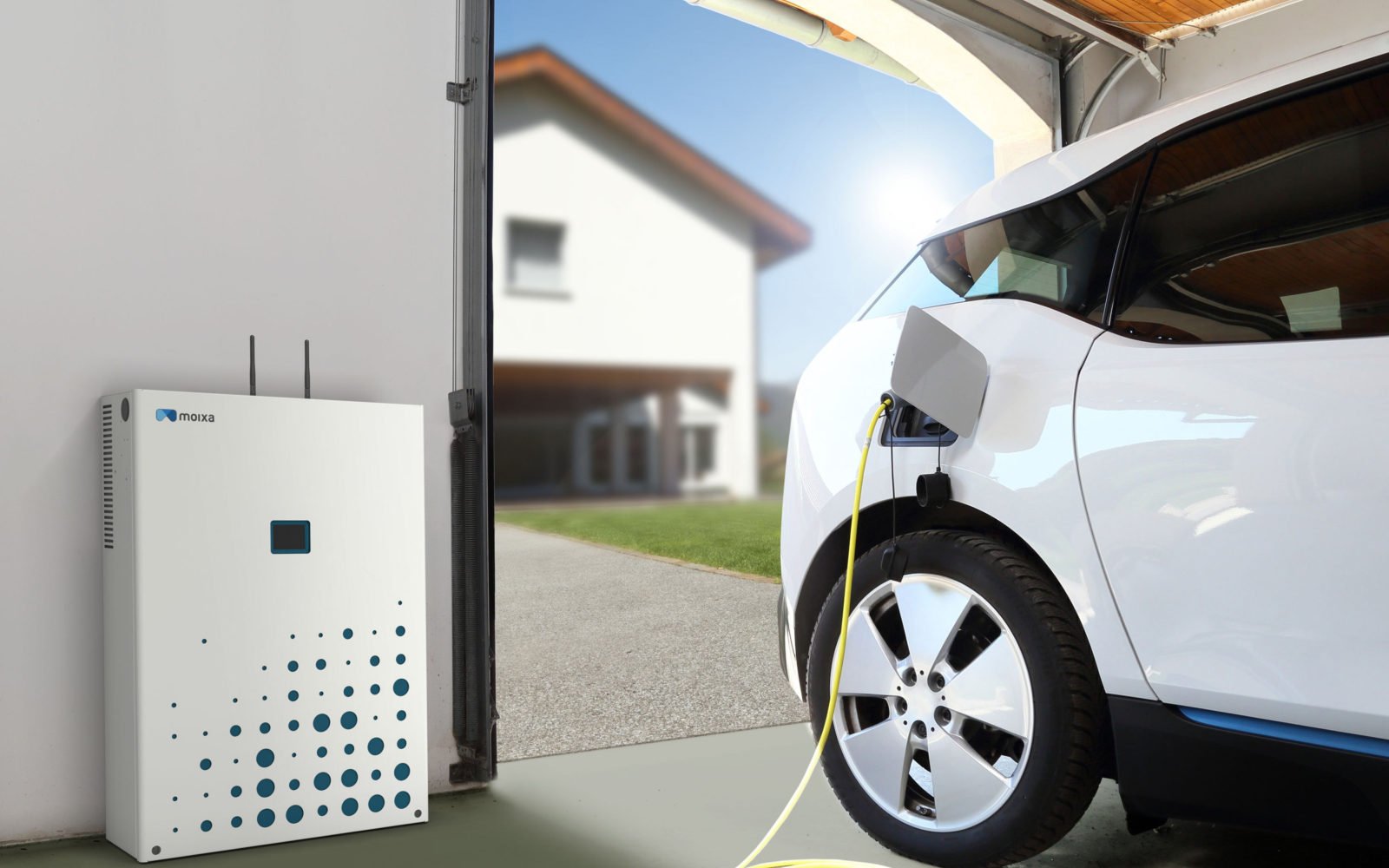
Up to 350 smart solar panel and battery systems provided by residential battery storage, controls and software company Moixa are to be aggregated into a virtual power plant (VPP).
Moixa’s GridShare software will run the VPP, aggregating and managing the “large fleet of hybrid systems” across transport, heat and power that form part of the project to deliver flexibility services into ancillary services markets. First used in Moixa’s own battery units, GridShare has been adapted to work with third party systems and other technologies, including controlling a fleet of residential battery systems in Japan for provider Itochu.
Try Premium for just $1
- Full premium access for the first month at only $1
- Converts to an annual rate after 30 days unless cancelled
- Cancel anytime during the trial period
Premium Benefits
- Expert industry analysis and interviews
- Digital access to PV Tech Power journal
- Exclusive event discounts
Or get the full Premium subscription right away
Or continue reading this article for free
The project itself is being run by a consortium led by energy storage firm Connected Energy, which is to install a 12MW/14.4MWh front-of-the-meter battery energy storage system in Sompting, as well as nine 300kW behind-the-meter battery systems across West Sussex.
Five EV charging hubs are to be installed with integrated solar PV and battery energy storage, utilising over 1,000 second-life EV batteries to add grid balancing, load management and resilience services to the project.
“Bringing together innovative technologies and integrating them on this scale is an exciting proposition and one we are keen to see replicated up and down the country to help manage the climate emergency we’re facing,” Matthew Lumsden, Connected Energy CEO and chair of the SmartHubs Steering Committee, said. Connected Energy specialises primarily in building energy storage systems with repurposed second-life EV batteries.
This story was first published on our sister site, Current±. To read the full version of this story, including more about the smart integration of heating systems and low carbon hydrogen electrolysis for fleet vehicles at the project, visit Current± here.