Decision-makers across Canada now recognise the value that energy storage can bring to the grid, with Ontario’s grid operator establishing its first-ever set of market rules for energy storage’s participation.
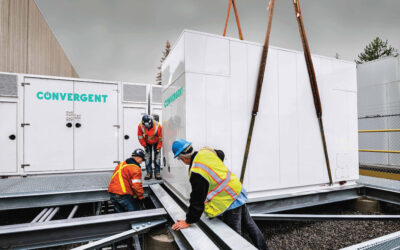
Energy storage project developer Convergent Energy + Power has contracted GE Renewable Energy to supply key equipment to a three-site large-scale solar-plus-storage hybrid resource project in New York State.
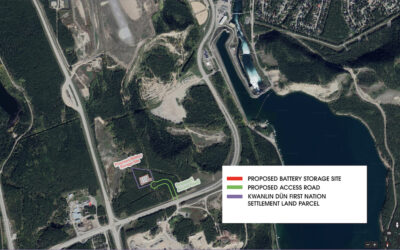
Steps forward have been taken in the development of a grid-scale battery energy storage system (BESS) in the Yukon Territory, northern Canada, which will help stabilise the region’s grid and reduce reliance on fossil fuels.
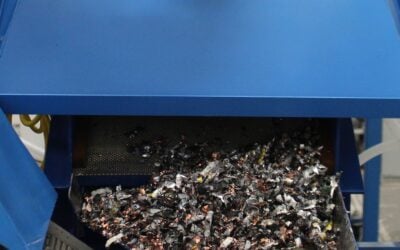
A lithium-ion battery recycling plant is under construction in Norway, focusing initially on electric vehicle (EV) batteries, but the CEO of the company behind it has said that it will also be capable of processing batteries from stationary energy storage systems (ESS).
Energy storage’s potential and value needs to be allowed to shine for Canada to achieve its goal of net-zero emissions by 2050 – and to avoid being left behind in the international race to modernise global energy systems.
Lithium battery recycling company Li-Cycle now has capacity to recycle 10,000 tonnes a year of spent lithium-ion batteries, having just opened its Rochester, New York facility for commercial operations.
Stem Inc is set to be publicly-listed and expand its global reach through a deal worth as much as US$608 million, agreed with special purpose acquisition company Star Peak Energy Transition Corp.
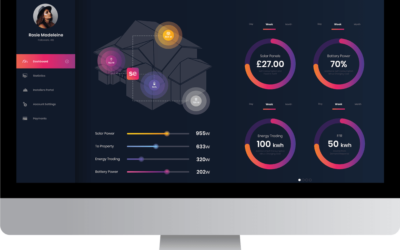
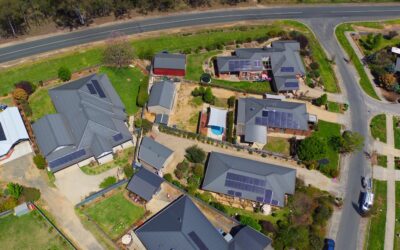
A new three-year project allowing residential solar and batteries to trade electricity and grid services in Victoria, Australia, is aimed at creating a replicable model marketplace that could be widely expanded across the country.