There’s a race to develop new technologies – and adapt existing ones – that can either be complementary to lithium batteries, or even compete with them. Representatives from three technology providers offer up some case studies, data, insights and opinions on where they think the market could go.
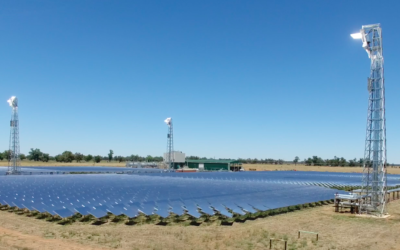
Australian startup Vast Solar said it has picked a site in Queensland where it could develop a AU$600 million (US$427 million) power plant combining different low emissions technologies to provide baseload power cost-effectively over a 30-year lifetime.
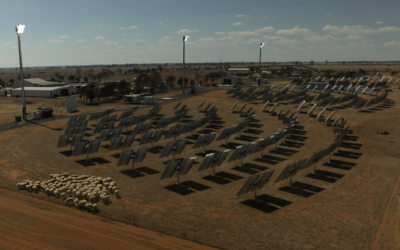
“The elimination of solar energy’s intermittency and ensuring its 24-hour availability at grid-competitive cost is the holy grail and RayGen has found it”.
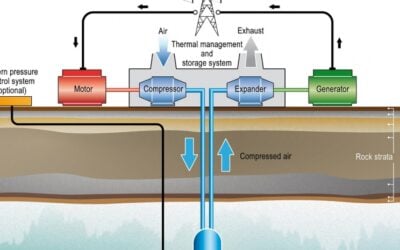
Storelectric CTO Mark Howitt puts forward the case for his company’s ‘innovative’ adiabatic compressed air energy storage, which he claims is a long duration technology complementary to other existing and advanced tech such as batteries.
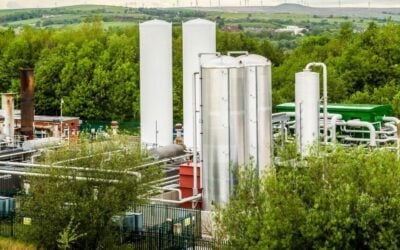
While lithium-ion batteries get most of the headlines, long-duration solutions of various types are gaining ground. Alice Grundy and Andy Colthorpe profile some of the established and emerging concepts in this increasingly important field.
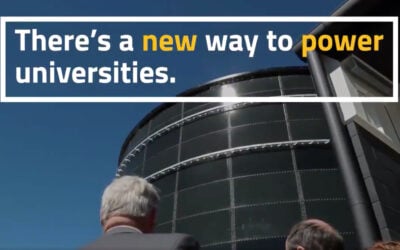
Energy use by air conditioning can be both expensive and taxing for the environment, with the University of the Sunshine Coast, Queensland, Australia, set to trial a three-storey ‘water battery’ to reduce both energy demand and cost.
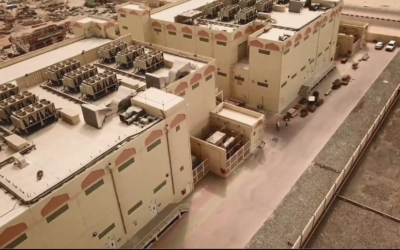
Sodium sulfur (NAS) batteries produced by Japan’s NGK Insulators are being put into use on a massive scale in Abu Dhabi, the capital of the United Arab Emirates.
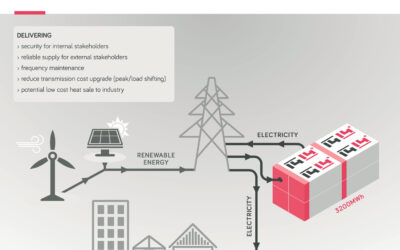
Work is underway on an energy storage project in South Australia that will use biogas to generate power to be stored in modules of molten silicon, from startup 1414 Degrees.
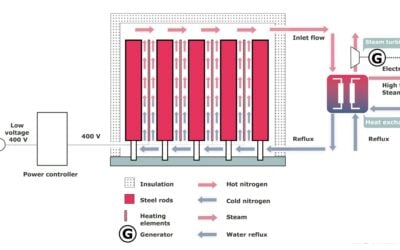
Energy-Storage.news has heard from the founder and CEO of start-up Lumenion that the company’s technology, now being trialled in Germany by Vattenfall, can store energy in steel structures for up to 48 hours.