Samsung C&T Renewable Energy Australia has submitted the 1,000MWh Boro solar-plus-storage project in New South Wales to Australia’s Environment Protection and Biodiversity Conservation (EPBC) Act.
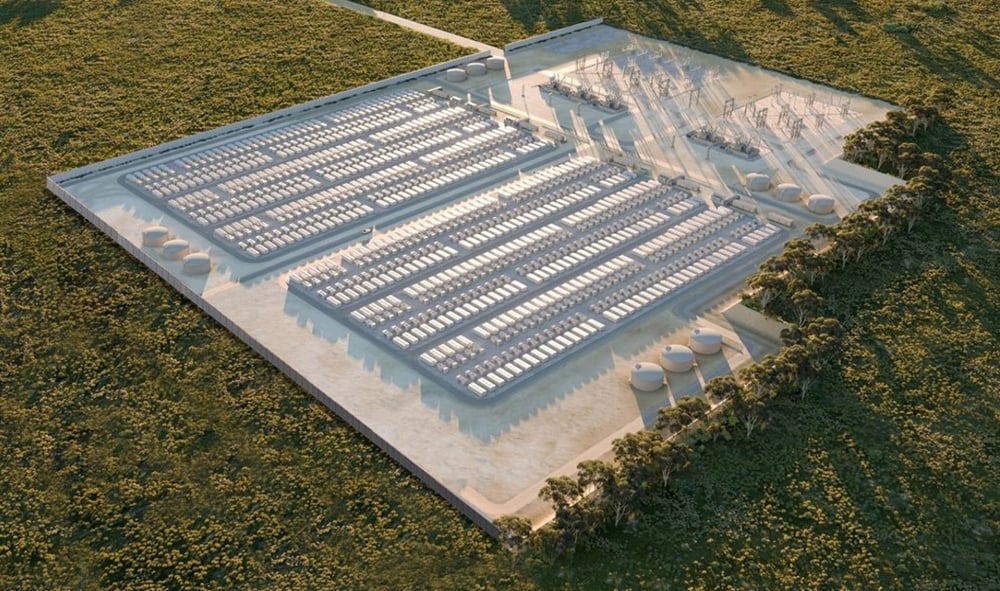
The project combines a 150MW solar PV plant with a 250MW/1,000MWh, 4-hour duration battery energy storage system (BESS).
Samsung C&T Renewable Energy Australia is the local development arm of Samsung C&T Corporation, the South Korean conglomerate’s construction and trading division.
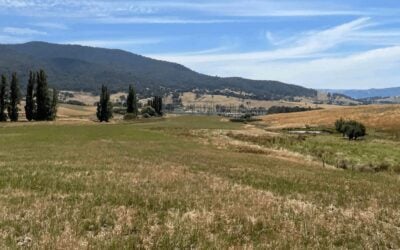
The project is proposed on a 410-hectare site approximately 40km south of Goulburn and 200km south-west of Sydney, across land within both the Goulburn Mulwaree Council and Queanbeyan-Palerang Regional Council local government areas.
Try Premium for just $1
- Full premium access for the first month at only $1
- Converts to an annual rate after 30 days unless cancelled
- Cancel anytime during the trial period
Premium Benefits
- Expert industry analysis and interviews
- Digital access to PV Tech Power journal
- Exclusive event discounts
Or get the full Premium subscription right away
Or continue reading this article for free
The construction disturbance footprint covers approximately 266 hectares, with the remainder of the site retained or used for access and ancillary infrastructure.
The solar PV power plant will use modules mounted on single-axis tracking systems, connected via underground cables to a central substation that will step up electricity to 330 kilovolts for export to a Transgrid 330kV overhead transmission line located to the south of the project.
The 1,000MWh battery storage system will be co-located with the solar PV plant and will connect via the same substation, with a new 330kV switching station linking to the Transgrid transmission infrastructure. It will connect to the wider National Electricity Market (NEM).
The project is classified as State Significant Development under the New South Wales Environmental Planning and Assessment Act, meaning the EPBC referral runs in parallel with a separate New South Wales state planning assessment.
Biodiversity surveys conducted across 2024 and 2025 identified no EPBC-listed species within the project area, and the referral concludes that no Matters of National Environmental Significance are likely to be directly or indirectly affected by the development.
Samsung C&T states in the referral that it currently has at least five development projects at various stages in New South Wales and two in Victoria, as well as two projects in Queensland, either under development or under technical study.
The Boro project’s capital investment cost is estimated at more than AU$30 million (US$21 million), though the referral does not provide a full project cost figure.
The Boro referral is the latest in a rapid sequence of EPBC submissions from Samsung C&T Renewable Energy Australia across multiple states.
Earlier this month, the company submitted the 150MW/600MWh Comet Park BESS near Leeton in the New South Wales Riverina for EPBC assessment, a standalone battery project connecting to the existing Yanco Substation and also progressing through the New South Wales State Significant Development pathway simultaneously.
In October 2025, Samsung C&T proposed the 200MW Block BESS near Townsville in Queensland, a modular battery system comprising 192 battery modules arranged in a grid configuration adjacent to the Ross River Substation, with operations planned through to 2059.
Never miss an Australian energy storage story. Sign up for our Australia newsletter and get the latest project announcements, policy updates and market analysis delivered directly to you.
Our publisher, Solar Media (part of Informa Group), will host the Battery Asset Management Summit Australia 2026 on 25-26 August at Amora Hotel Jamison in Sydney. You can find out more about the Summit on the official website.