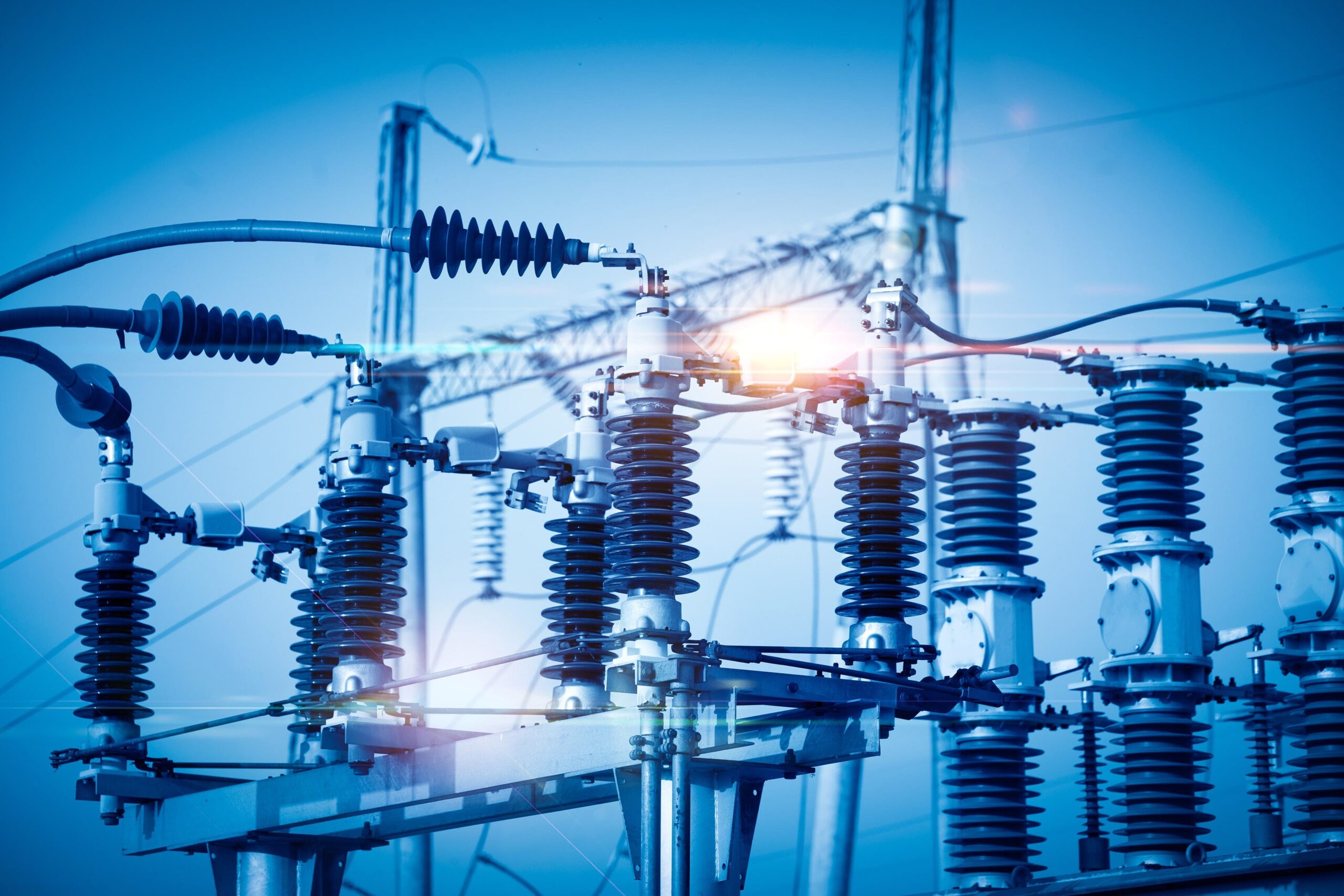
Battery manufacturer Saft has provided E.On with two nickel battery systems at one of its distribution substations in Hungary.
The batteries are a ‘plug and play’ replacement for the existing lead-acid backup batteries at the site. The new nickel batteries are being installed in a pilot project looking to prove how readily Saft’s latest technology can be installed to repower other lead acid legacy projects quickly and with the relative ease of installation that the plug and play tag implies.
The site in north west Hungary is one of the first to see the latest version of Saft’s Uptimax nickel battery, which the manufacturer claims to be ‘maintenance-free’. Saft is supplying two of the systems for the site, each made up of 170 Uptimax 195Ah cells.
The Uptimax battery can fully charge at a single rather than dual voltage level, meaning E.On can upgrade the batteries while retaining the existing charger. This eases the installation and decreases the overall cost of DC systems, the manufacturer said.
Try Premium for just $1
- Full premium access for the first month at only $1
- Converts to an annual rate after 30 days unless cancelled
- Cancel anytime during the trial period
Premium Benefits
- Expert industry analysis and interviews
- Digital access to PV Tech Power journal
- Exclusive event discounts
Or get the full Premium subscription right away
Or continue reading this article for free
The batteries are set to provide E.On with greater reliability as they do not need any maintenance and, unlike lead-acid, do not experience sudden death, Saft said. They can also accept fast charging for a rapid return to service after a power outage, which reduces risk and backup requirements.
Roland Knobloch, sales manager for Central Europe at Saft, said: “By installing the latest Saft Uptimax nickel batteries, E.ON will benefit from long-term reliability, maintenance-free operation and rapid return to service – all without replacing or upgrading its battery charger.
“We believe that this is the first of many successes for the new Uptimax.”
Saft, a subsidiary of Total group, has previously supplied E.On with Uptimax batteries in 2016. The manufacturer deliver 80 of the systems to provide backup power at a 302MW E.On wind farm in the North Sea.
The manufacturer is better known in the energy storage and renewables sectors as a provider of lithium-ion batteries and turnkey systems, with Energy-Storage.news recently reporting extensively on the company’s launch of a 2.5MWh containerised battery energy storage system (BESS) product and the recent successful completion of a 10MW / 5.5MWh project in Bermuda for utility BELCO. Energy-Storage.news was also priveleged in that case to have spoken with Stephanie Simons, an engineer with BELCO who worked as project manager on everything from modelling the system and producing the proof of concept to stakeholders to planning the project’s execution.