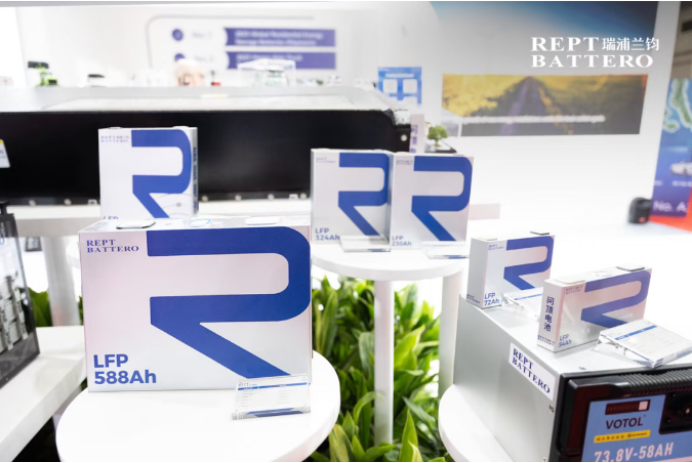
China-based Rept Battero has officially opened its lithium-ion cell and BESS manufacturing facility in Indonesia.
The company announced it at the Indonesia International Coal and Energy Industry Expo (ICEE 2026) this week (11-13 May).
While it was slightly vague in its language, talking about ‘introducing its Indonesia manufacturing base’, its head of overseas sales Andy Tang said it had opened its first overseas manufacturing facility there, where it will manufacture DC energy storage solutions. (See our recent video interview with him here.)
The company announced firm plans to build the 8GWh, energy storage lithium-ion battery cell gigafactory in January last year. It said then it would invest a total of US$223 million in PT Rept Battero Indonesia, a non-wholly-owned subsidiary, via a mix of direct investment and also via another subsidiary, Infinitude International Investment.
Try Premium for just $1
- Full premium access for the first month at only $1
- Converts to an annual rate after 30 days unless cancelled
- Cancel anytime during the trial period
Premium Benefits
- Expert industry analysis and interviews
- Digital access to PV Tech Power journal
- Exclusive event discounts
Or get the full Premium subscription right away
Or continue reading this article for free
Rept has presented its factory as a way to provide locally manufactured products to the Indonesian energy storage market, announcing several offtake deals across battery energy storage systems (BESS) and e-mobility. It may well fill its order book locally, with the Indonesian government recently announcing a staggering 80GW solar, 320GWh battery energy storage system (BESS) deployment plan.
However, an Indonesian manufacturing base will also allow it to supply the US market and get around tariffs on Chinese battery products, which now stand at around 55% as of 1 January 2026. Numerous other Chinese companies have set up non-China manufacturing to do this.
But the move presumably still won’t get around the US’ Foreign Entity of Concern (FEOC) restrictions on clean energy tax credits there, which primarily target technologies from Chinese companies. Those restrictions and the uncertainty around their implementation are leading numerous Chinese companies to sell down stakes in US manufacturing assets, as we explored this week in an article on ESN Premium.