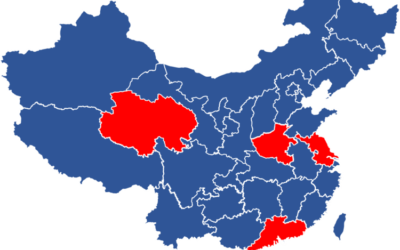
There are very different drivers for deploying energy storage in the four provinces of China that announced significant capacities of projects this year, the China Energy Storage Alliance (CNESA) has said.
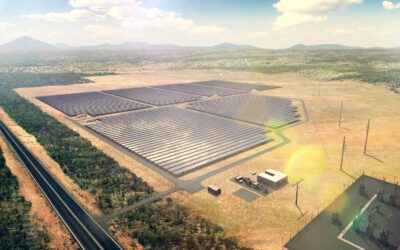
Three more vast projects pairing battery energy storage with utility-scale renewable energy installations are in the pipeline in New South Wales, Australia, through developer CWP Renewables.
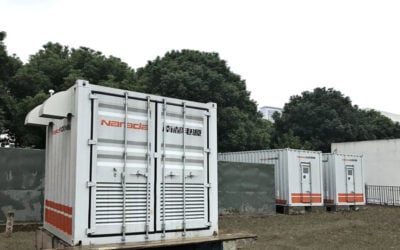
Energy storage projects were under construction across four provinces of China, amounting to 340.5MW of new capacity during the first half of this year in the country, according to the China Energy Storage Alliance (CNESA).
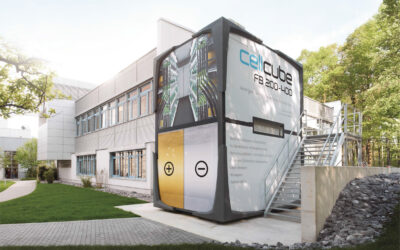
Recent moves in California to develop large-scale energy storage with four hours’ storage duration are just the beginning of a move towards using batteries as a capacity resource, the president of flow battery company CellCube has said.
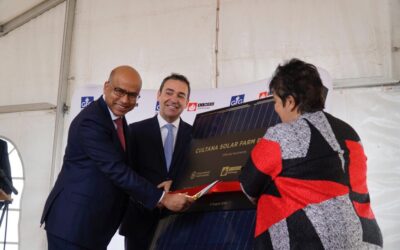
Amid the ongoing furore about the Federal Government’s proposed National Energy Guarantee (NEG), a 280MW solar PV project and a 52MWh battery project are both set to go ahead in South Australia, it has been announced today.
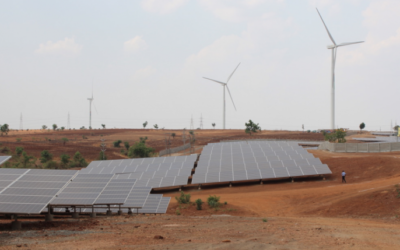
Solar Energy Corporation of India (SECI) will issue a request for bids (RfB) for a 160MW hybrid solar and wind project combined with battery energy storage in the state of Andhra Pradesh on 20 August.
Battery manufacturing represents a “huge economic opportunity for India”, according to a draft ‘National energy storage mission’ (NESM) document, which outlines how the country could capture value across the supply chain and accelerate the country’s adoption of renewable energy.
A modestly-sized grid-scale battery will be installed at a natural gas plant in Queensland, Australia, boosting the efficiency of the existing power station and providing emergency backup, as well as helping integrate local renewable energy.