Following news yesterday of the first grid-scale solar-plus-storage system on the Hawaiian island of Molokai, two more modestly-sized projects show the potential diversity of applications for energy storage in the US state.
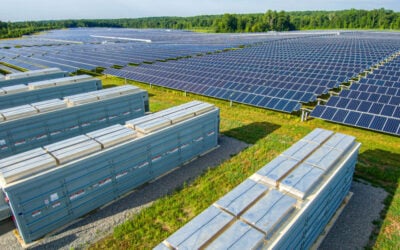
Energy-Storage.news just reported that the Hawaii Public Utilities Commission had approved a 22-year power purchase agreement (PPA) deal for the project on the island of Molokai, which would pair 4.88MW of solar with a 3MW / 15MWh lithium battery system.
That project will be used to mitigate peak demand issues by making the solar power stored onsite dispatchable at times when demand is high and solar irradiance is low, aimed at locking in low energy prices for local residents while helping integrate renewables and lower emissions from burning imported fossil fuels, namely diesel.
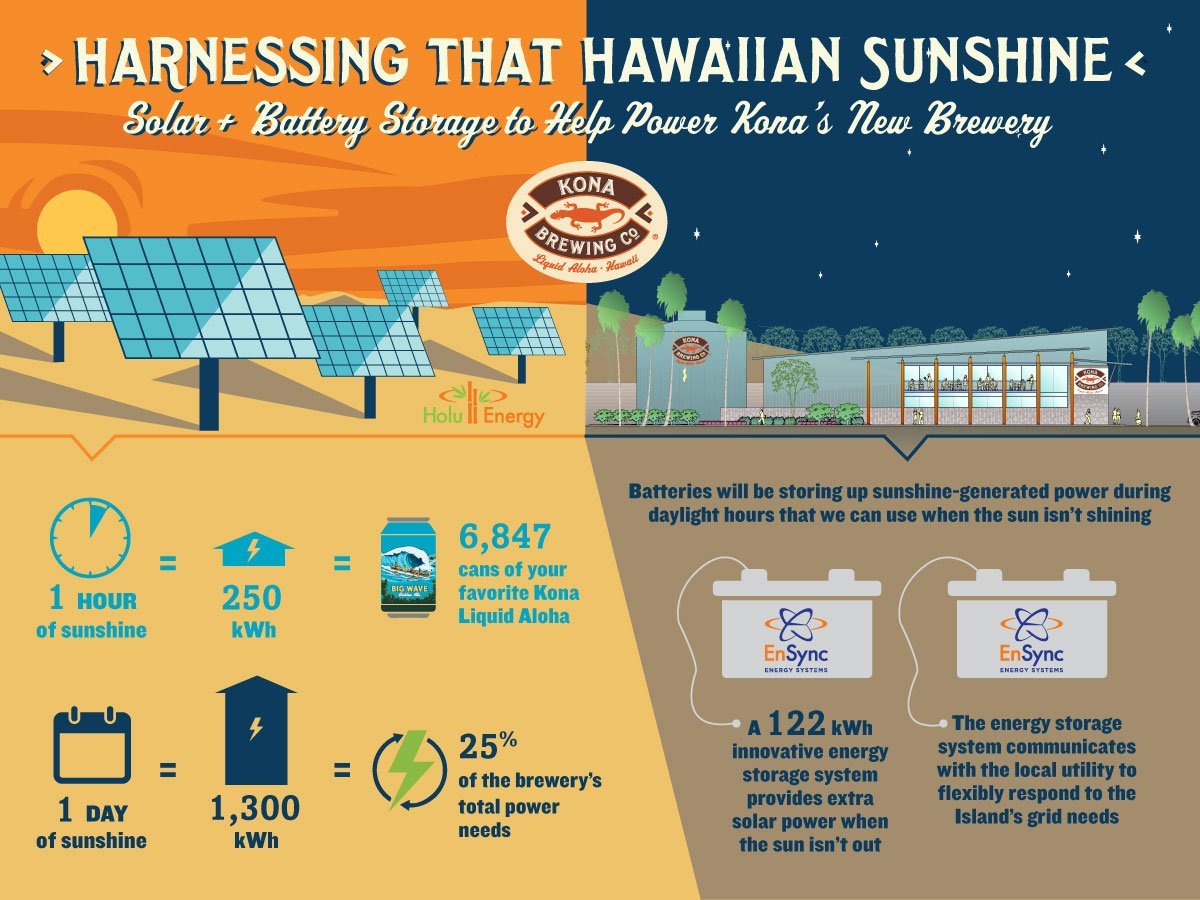
Another Hawaii solar-plus-storage project backed by a long-term PPA was announced at the beginning of this month by Kona Brewing Company, a beer maker, and US distributed energy system provider EnSync Energy Systems (EnSync).
Try Premium for just $1
- Full premium access for the first month at only $1
- Converts to an annual rate after 30 days unless cancelled
- Cancel anytime during the trial period
Premium Benefits
- Expert industry analysis and interviews
- Digital access to PV Tech Power journal
- Exclusive event discounts
Or get the full Premium subscription right away
Or continue reading this article for free
The commercial and industrial (C&I) storage system will reduce demand charges for the brewer, the portion of US businesses’ electricity bills which are levied based on drawing energy from the grid at peak times and the most common commercial basis in which C&I energy storage projects are executed in the States.
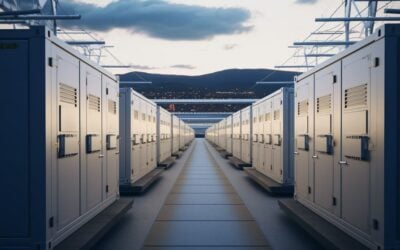
A 20-year PPA has been contracted between Kona Brewing and EnSync’s Hawaii project developer subsidiary Holu Energy to install a 336kW rooftop solar PV system and a 122kWh battery storage system, integrated into EnSync’s distributed energy resources (DER) ‘SuperModule’. The DER SuperModule includes an energy management system and relevant components for integrating DC and AC system inputs. EnSync claims that to date it has already contracted 26 C&I projects in Hawaii of this nature.
The energy management system, branded ‘Matrix’ by EnSync, uses so-called Internet of Energy technology to find low-cost, reliable grid sources of electricity. The solar-plus-storage system is to be installed at Kona’s newest facility, currently under construction in Kailua Kona in Hawaii’s Big Island should meet a quarter of electricity demand at the brewery.
As well as reducing costs for the end user through demand charge reduction, the system will also be eligible to participate in grid and network services through enrolment in Hawaii’s demand response programmes. The system is expected to be up and running early next year.
EnSync also deploys P2P trading for affordable housing development
Following an Australian first-ever ‘peer-to-peer’ electricity trade backed by energy storage at residential level, reported a few days ago by Energy-Storage.news, the feat has been repeated in Hawaii, again with EnSync as the provider.
Private sector affordable housing developer Michaels Development Company and EnSync have signed another 20-year PPA agreement, which will finance a 750kW solar PV canopy installation over the parking lot at Keahumoa Place, an affordable housing project.
The solar PV will be combined with a 500kWh energy storage system. Also included is EnSync’s ‘True peer-to-peer DC-link’ technology. With that, residents will be able to trade and share their solar energy, allowing, as EnSync described it in a statement: “residents to directly exchange electricity with each other based on the energy needs of each individual unit, increasing energy efficiency and lowering electricity costs for the entire network.”
The utility meter of each housing unit will be interconnected via modules of the EnSync DC-link solution, managed by the company’s aforementioned Internet of Energy control platforms. The system’s batteries will be charged during times of surplus. Once full capacity is reached in the batteries, EnSync’s platform will send power to other units in the housing development that are experiencing higher demand.
“’True peer-to-peer’ revolutionizes the economics of solar plus energy storage in residential properties like Keahumoa, by dramatically reducing the negative impacts of vacancy rates, absence during peak generation times, vacation schedules and micro-loading effects within each unit from appliances such as refrigerators and air conditioners. By increasing efficiency across the peer network, the system lowers costs and makes solar energy financially accessible to residents of affordable housing,” EnSync CEO Brad Hansen said.
Michaels Development Company regional VP Karen Seddon said that while “Hawaii is one of the most expensive places to live in the US”, the project with EnSync matched her company’s mission to provide affordable housing with low-cost, reliable electricity “to our future residents”.
Meanwhile, the utility Hawaiian Electric is working together with EnSync to ensure that the system can be interconnected to the grid in accordance with PUC rules. Hawaiian Electric will supply residents with grid power in the event of an outage or shortfall in generation to meet required loads, while the grid itself benefits from more stable, aggregated load profiles which should be easier to balance than “fluctuating, inconsistent loads” often associated with multi-residential housing units.