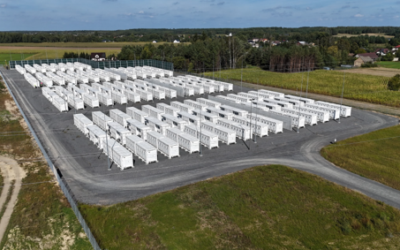
Finland-headquartered clean energy solutions provider Fortum is to deploy the largest battery so far in the Nordic region, a 6.2MWh system at a hydropower plant in Sweden.
The company is thought to already hold the crown for the region’s largest project, the ‘Batcave battery’ at Fortum’s Järvenpää biomass plant in Finland, a 2MW / 1MWh unit providing frequency regulation to the grid. That system went into operation in March 2017.
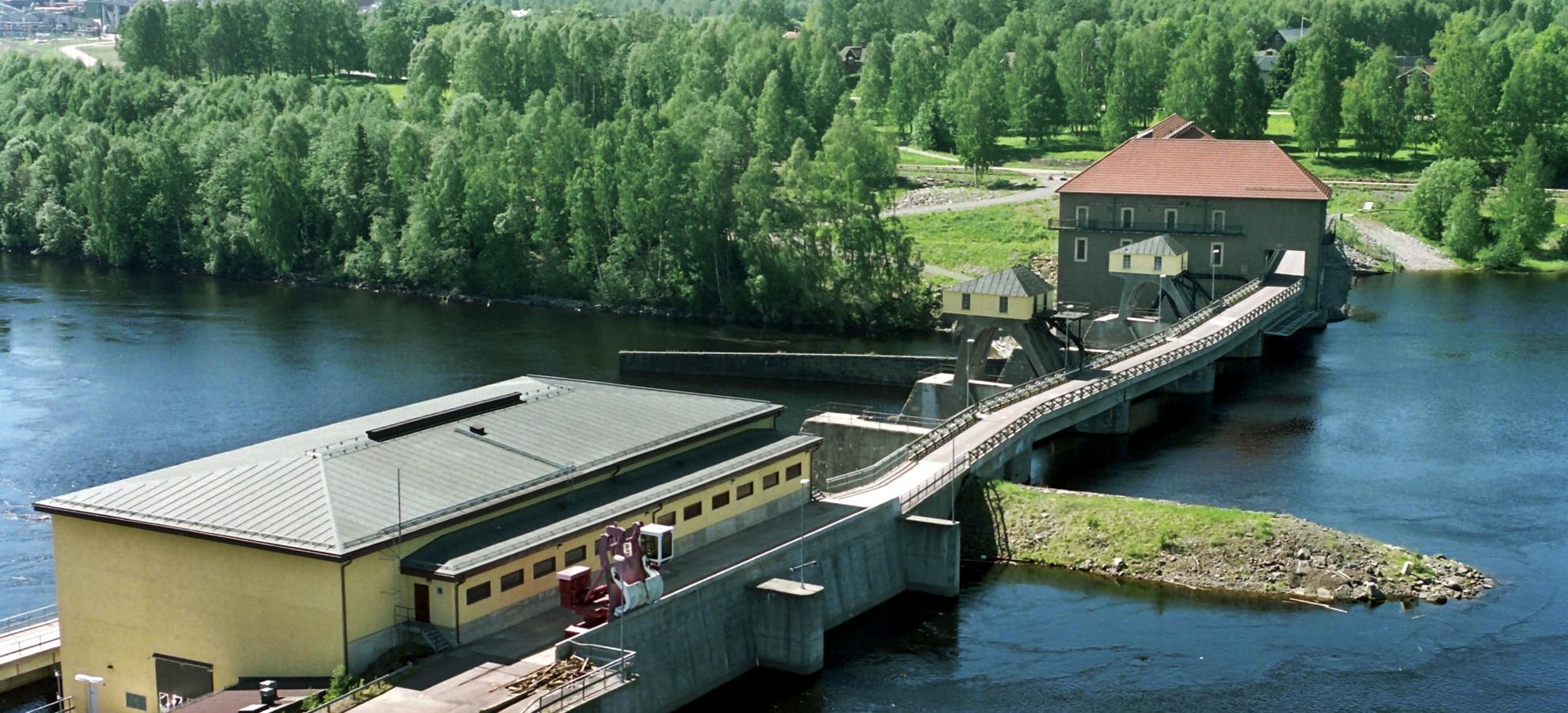
Yesterday, Fortum announced that it will install the newest 5MW / 6.2MWh battery energy storage system (BESS) at Forshuvud hydropower plant. It is one of dozens of hydropower plants Fortum owns and operates running off the Dalälven river’s catchment area through central Sweden. As with the Järvenpää battery, the Forshuvud battery will provide frequency regulation services. Forshuvud is a 44MW plant generating around 209.8GWh of electricity annually and is 88% owned by Fortum, according to the company’s website.
“Batteries are thought to be used mostly to store energy. Now, however, we will try connecting a battery to a hydropower plant with the idea of improving the plant’s ability to function as regulating power for the Nordic electricity network,” Fortum’s head of asset management in its hydropower division, Martin Lindström, said.
Try Premium for just $1
- Full premium access for the first month at only $1
- Converts to an annual rate after 30 days unless cancelled
- Cancel anytime during the trial period
Premium Benefits
- Expert industry analysis and interviews
- Digital access to PV Tech Power journal
- Exclusive event discounts
Or get the full Premium subscription right away
Or continue reading this article for free
Lindström added that the “very quick response time” of the battery will improve the speed and precision of the hydropower plant’s regulation, helping Fortum provide better grid services. The need for better regulation is driven partly by the ongoing and expected increases in wind energy penetration on local networks. Helping keep the grid at its 50Hz network frequency, the battery system will be charged cheaply and cleanly with the hydropower plant’s output.
Sweden’s frequency regulation is today provided mostly through hydropower, but Fortum said that while the plants are capable of doing so, shorter term or quicker response balancing causes wear and tear on hydropower turbines, and the company expects batteries to play a more and more prominent role in providing this service in the future.
Fortum said the project, which will cost around €3 million (US$3.42 million) in total, will benefit from learnings made from the operation and execution of the Järvenpää battery project. Construction will begin early next year and Fortum aims to have it in use “during the first half of the year”.
Also this week, Fortum, which is owned by the government of Finland, joined Norwegian state-owned Statkraft and Vattenfall, owned by the Swedish state, in calling for the European economy to reach carbon neutrality by 2050.
“We believe that ambitious long-term climate targets can be reached in an affordable manner by using market instruments and sector coupling,” the CEOs of all three companies said in a joint statement.