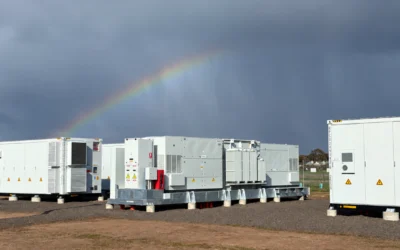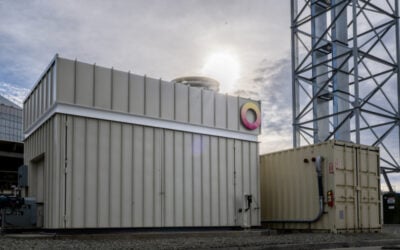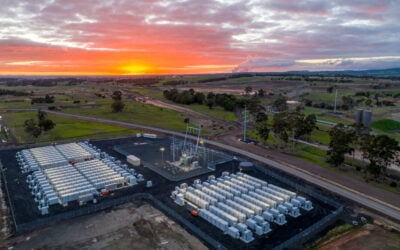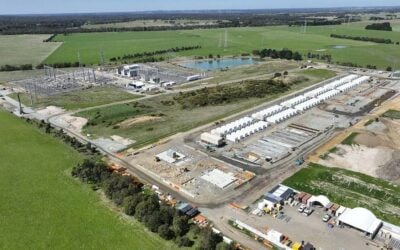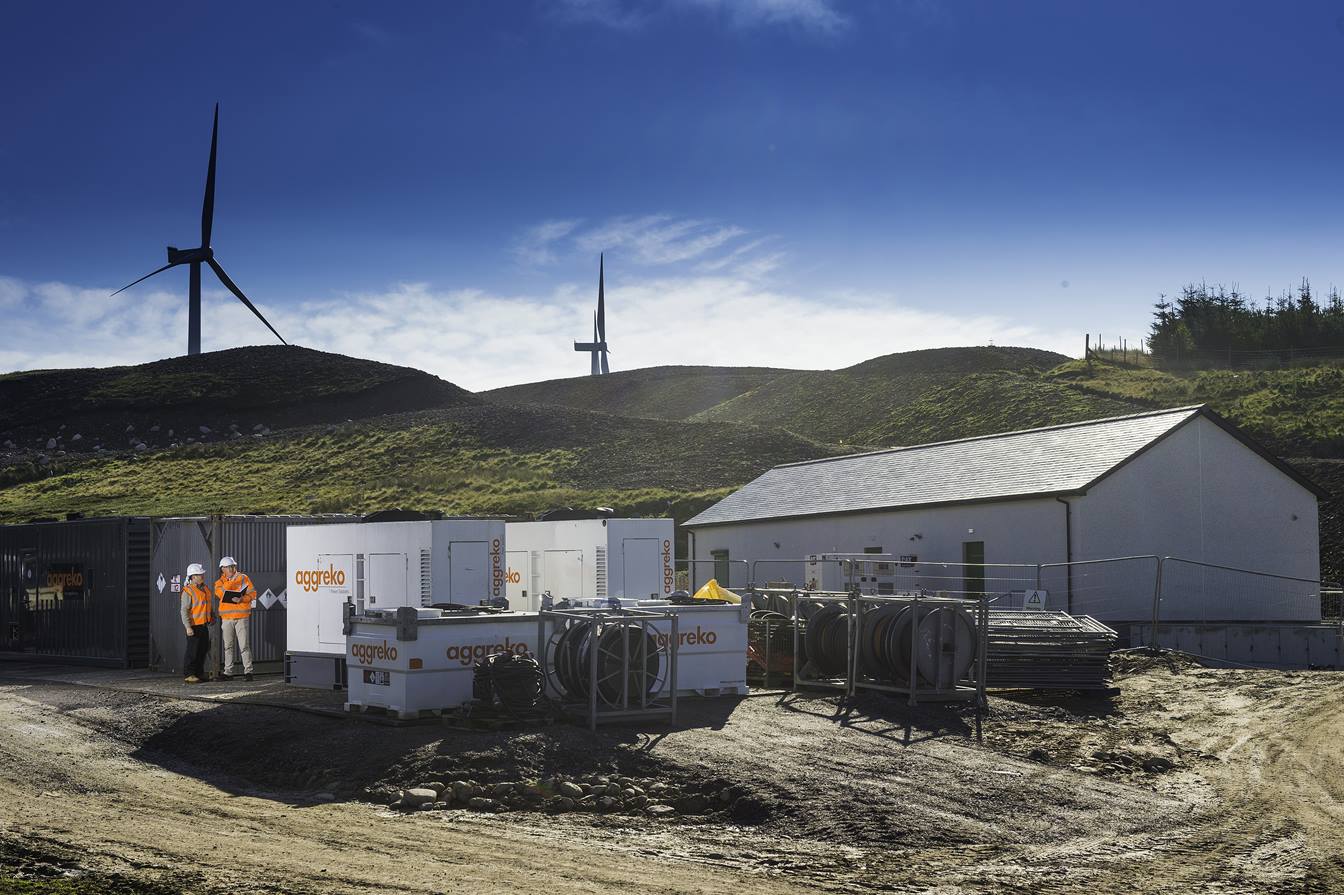
A megawatt-scale energy storage system will be rented out to power a gold mine in Western Australia by Aggreko, the mobile power solutions company which bought up energy storage provider Younicos last year.
Granny Smith gold mine, open since 1989 and operated by gold producer Gold Fields, will get an 8MWp solar PV array and a 2MW / 1MWh energy storage system which will be integrated with 24.2MW of existing natural gas generation capacity. As with all other Aggreko-Younicos projects since the takeover, the customer will procure the energy storage system under a rental contract.
The US commercial and industrial (C&I) market for energy storage, in particular, has started to see this type of “energy storage as-a-service” offering become more common, with the recognition that many businesses are not willing to pay the upfront capital cost for battery storage. Instead, such business models rely on the customer making savings on energy costs and the provider potentially earning some revenues from grid services, with the benefits shared between the two parties.
Aggreko said that the single service contract Gold Fields signed up to required no capital outlay from the customer, which Aggreko said eliminates technology risk, increases flexibility and ensures accountability over performance.
Try Premium for just $1
- Full premium access for the first month at only $1
- Converts to an annual rate after 30 days unless cancelled
- Cancel anytime during the trial period
Premium Benefits
- Expert industry analysis and interviews
- Digital access to PV Tech Power journal
- Exclusive event discounts
Or get the full Premium subscription right away
Or continue reading this article for free
Construction will commence in May and is expected to finish towards the end of 2019. Fuel consumption at the mine could be reduced by 10% to 13%, with nearly all energy demand required for gold processing to be supplied by the hybrid power system.
The solar will reduce the need for thermal generation, while the battery will be used for a variety of applications, such as providing spinning reserve to local networks, ramp rate control for the PV plant and voltage and frequency support.
It’s the latest project to use a combination of solar and energy storage along with other generation and distributed energy management resources to help power mining operations, which are often energy intensive and remotely located in relation to grid networks. Recent examples reported by Energy-Storage.news include a 40MW hybrid solar, battery and heavy fuel oil plant at a gold mine in Mali, Africa which could offer around 40% energy cost savings to the facility and the addition of Ultra High Power lithium-ion nickel manganese cobalt (UHP NMC) batteries made by Kokam to natural gas generators at an off-grid site for Australian utility Alinta Energy.