Global BESS integrator Fluence has secured its second ‘Grid Booster’ battery storage project in Germany, this time with TSO TenneT for two projects totalling 200MW.
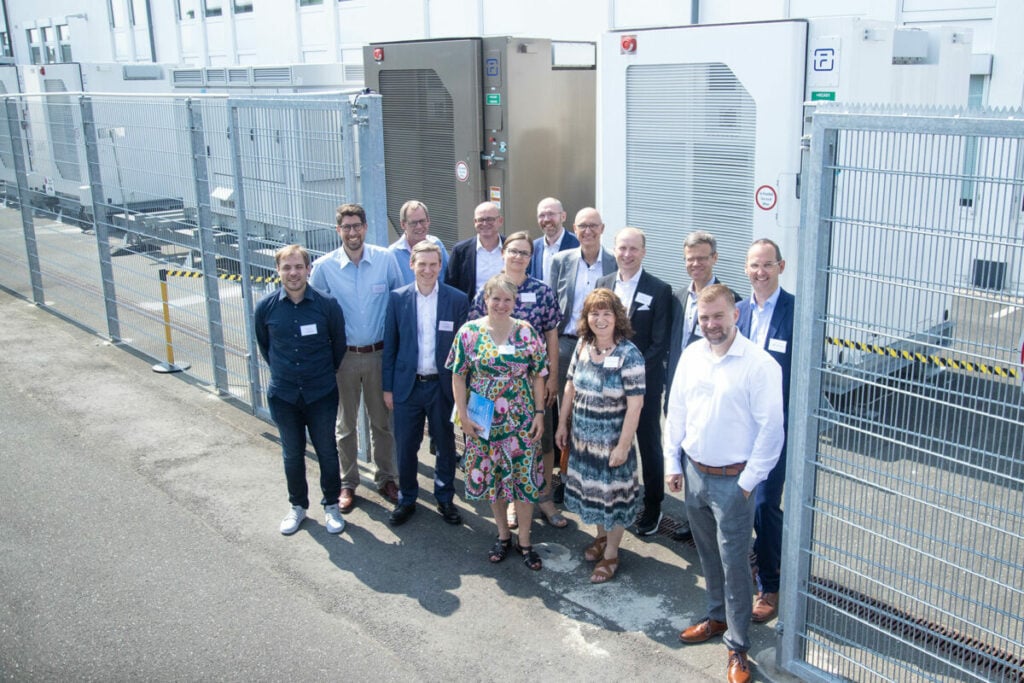
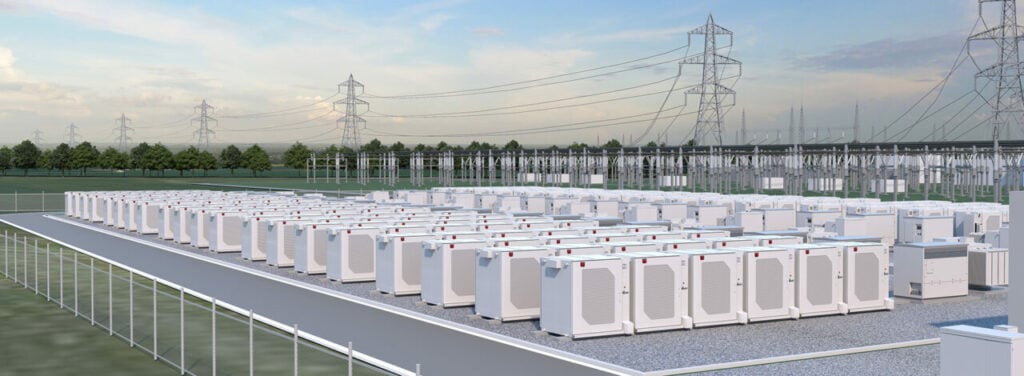
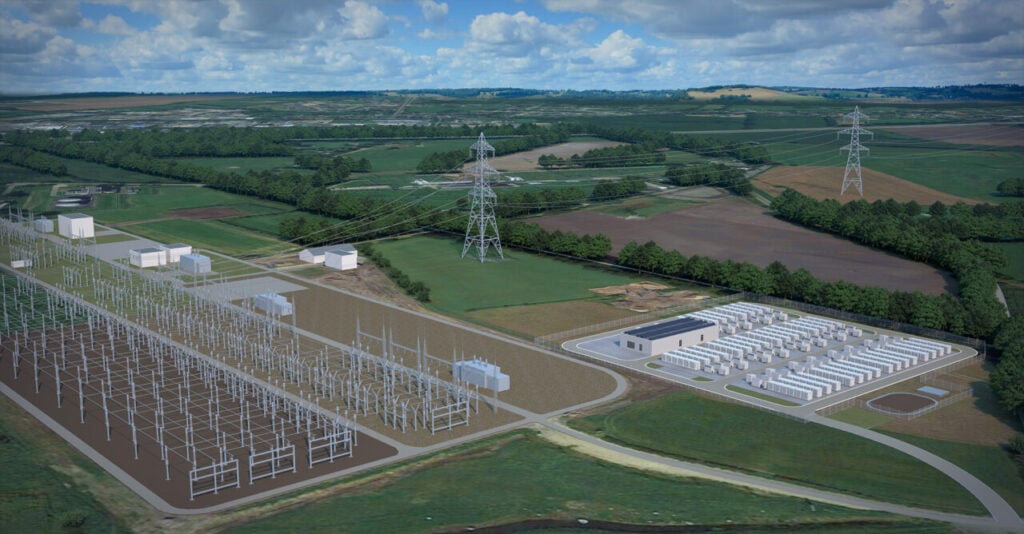
Fluence and TenneT announced the two, 100MW/100MWh transmission system-enhancing battery energy storage system (BESS) projects today (11 July).
They will be deployed at the Audorf Süd substation and Ottenhofen substation and, subject to necessary regulatory approvals, could come online in 2025. Fluence described them as ‘pilot projects’ with a view to more deployments in future.
It is Fluence’s second transmission network project in Germany – a segment it is strategically focusing on with a specific product, Ultrastack, launched earlier this year – after another transmission system operator (TSO) TransnetBW ordered a 250MW/250MWh BESS in October 2022. The segment is sometimes called storage-as-transmission.
Try Premium for just $1
- Full premium access for the first month at only $1
- Converts to an annual rate after 30 days unless cancelled
- Cancel anytime during the trial period
Premium Benefits
- Expert industry analysis and interviews
- Digital access to PV Tech Power journal
- Exclusive event discounts
Or get the full Premium subscription right away
Or continue reading this article for free
50Hertz Transmission and Amprion make up the remaining two of four TSOs in Germany. All four are deploying ‘Grid Boosters’, with Amprion announcing a ‘distributed’ approach to its project recently while 50Hertz hasn’t detailed its firm plans yet.
Grid Booster BESS projects provide a variety of functions to help TSOs manage their grid in light of an increasing renewable energy mix, which in some countries also comes with an increasing mismatch between where power is generated and consumed, and growing demand. In Germany, the north is where most wind generation is located while the south has the big demand areas.
The high-voltage grid in Germany (and in many other places) operates with additional power lines which are not fully utilised, but are there to step in and guarantee safe operation in the case of a power failure. Grid Boosters can provide this function instead, allowing a more full utilisation of the power lines.
Overall, the projects should help the transmission system capacity, minimise grid interventions, increase renewable penetration, reduce the need for grid expansion, improve security of supply, all of which should ultimately reduce costs to the end-consumer.
So far, the Grid Booster announcements by TenneT, TransnetBW and Amprion total 700MW of BESS. In the second draft of Germany’s grid development plan for 2037/2045, the TSO assume up to 54.5GW of large energy storage systems on the German grid by 2045 under scenario C2045, Fluence said.
Markus Meyer, managing director at Fluence, said: “TenneT’s Grid Boosters will be the seventh and eighth storage as-transmission projects Fluence is deploying. Our team is developing the complex applications
required for these types of projects in our Erlangen lab and research facility and we continue to
invest strongly in our German presence.”
The company is also deploying storage-as-transmission projects in Lithuania spread across four substations, and should be coming online this year.
Tim Meyerjürgens, COO of TenneT, commented: “We will not be able to adapt the transmission grid to the new challenges of the new energy system with grid expansion alone. The integration of electricity from renewables into the transmission grid will also depend to a large extent on operating resources, with which we can flexibly control the transmission grid.”
“We are therefore pleased to have won Fluence as a strong and competent partner with many years of experience in the field of storage solutions. Grid Boosters are important and tangible solutions for a secure and affordable electricity supply.”