Energy storage developer and system integrator Energy Vault has released its Q3 2025 financial results, showing growth credited to expanding projects in Australia and its ‘Asset Vault’ subsidiary.
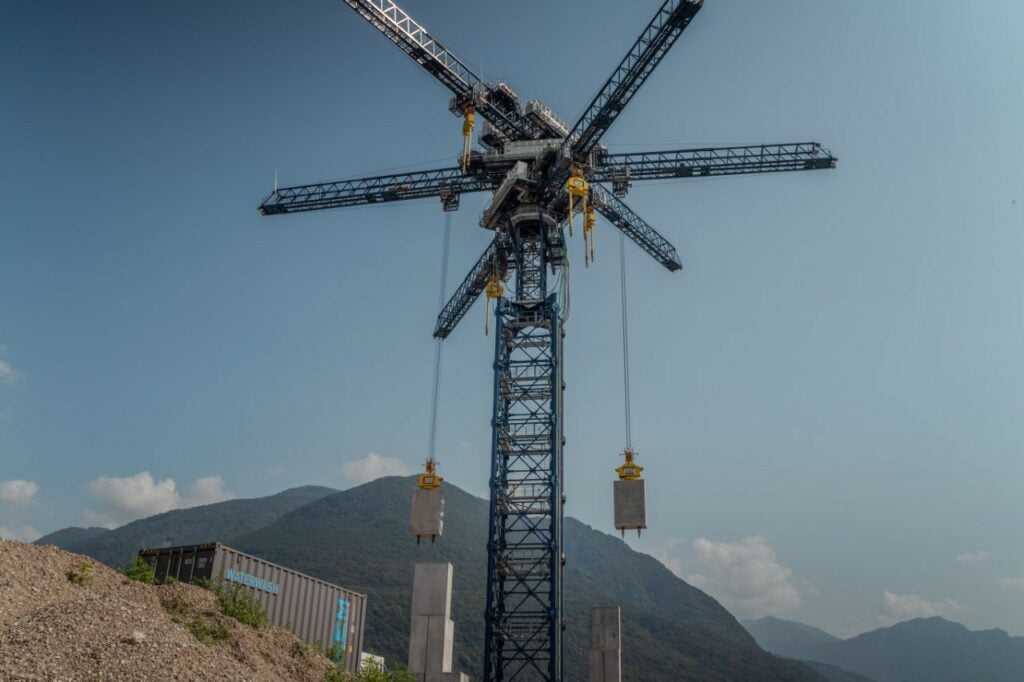
Energy Vault rose to prominence as the developer and IP holder of an innovative gravity-based energy storage technology.
Since then, it has expanded into the lithium-ion battery energy storage systems (BESS) and long-duration hydrogen storage sectors.
Try Premium for just $1
- Full premium access for the first month at only $1
- Converts to an annual rate after 30 days unless cancelled
- Cancel anytime during the trial period
Premium Benefits
- Expert industry analysis and interviews
- Digital access to PV Tech Power journal
- Exclusive event discounts
Or get the full Premium subscription right away
Or continue reading this article for free
Energy Vault’s latest financial report shows adjusted EBITDA loss improved to US$6 million versus a loss of US$14.7 million in the prior year period.
The company generated a revenue of US$33.3 million, which Energy Vault highlighted is a “27x” improvement over the same period in the prior year.
Energy Vault states that this improvement was fueled by a rise in ESS projects in Australia and the initial revenue from US-based, owned, and operated ‘Asset Vault’ projects.
Asset Vault is the company’s fully consolidated subsidiary focused on “developing, building, owning and operating energy storage assets globally.”
Contract revenue backlog was US$920 million, a reported 112% year-to-date increase. The GAAP gross profit of US$9 million represents another increase over the previous year for the company.
As of 30 September, cash totalled US$61.9 million, representing a 7% sequential increase and aligning with previous guidance.
The company reaffirmed full-year 2025 guidance across all key metrics, including revenue of US$200 – US$250 million, a 14% – 16% gross margin, and an ending cash balance of US$75 – US$100 million.
Robert Piconi, Chairman of the Board and CEO of Energy Vault, echoed the company’s commitment to its Australia and Asset Vault project.
“Following a strong operational quarter, we made major progress on our ‘build-own-operate’ Asset Vault strategy, targeting 1.5GW of storage capacity within the inaugural fund, including the acquisition of an attractive 150MW project in Texas and the closing of a $300 million non-dilutive preferred equity investment from Orion Infrastructure Capital (OIC),” Piconi said.
He added, “Our commercial team also unlocked new regional markets and super high growth new market segments.”
This summer, Energy Vault acquired the 125MW/1,000MWh Stoney Creek BESS in New South Wales, Australia.
The announcement of the acquisition coincided with the release of its financial results for Q2 2025, in which Energy Vault reported revenue of US$8.5 million, representing a 126% year-over-year increase.
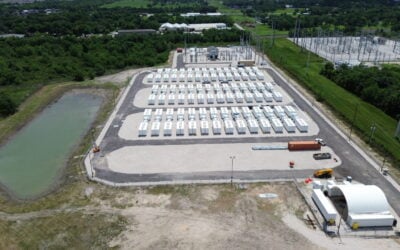
In October, the company announced its acquisition and planned development of the SOSA Energy Centre, a 150MW/300MWh BESS located in Madison County, Texas.
October also saw Energy Vault finalise a US$300 million preferred equity investment from North American infrastructure firm OIC L.P. to initiate Asset Vault.
In September, Rept Battero signed a supply agreement with Energy Vault to deliver 3GWh of ESS to the company in 2026.