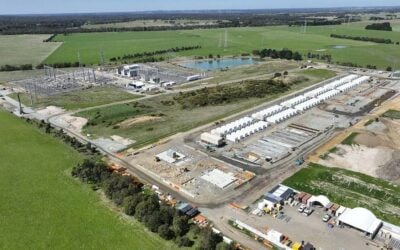
Australia has anational plan to trasnform the energy systems of Indiginous communities. Credit: Qinous
Energy storage solutions combined with hybrid solar PV plants and diesel generators will soon benefit communities in two starkly contrasting locations – in a luxury Maldives resort and in Australia’s Aboriginal community.
Applying energy storage to renewable energy sources in remote locations and islands can significantly reduce the reliance on and consumption of diesel, in areas where fuel prices are typically extremely high, meanwhile the use of clean energy can be increased. A report from the International Renewable Energy Agency (IRENA) last year also described such applications as bringing “substantial socio-economic benefits”.
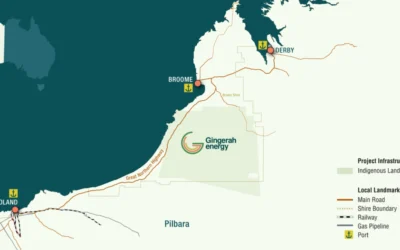
In the first case, Berlin-based smart energy storage provider Qinous has won a contract to deliver a battery system for a hybrid diesel and solar PV project for an Aboriginal community in northern Australia.
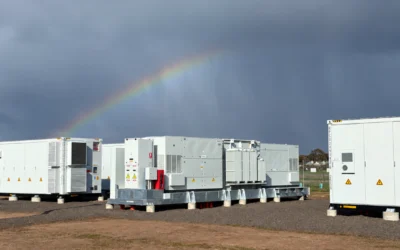
Until now the Daly River community has relied purely on diesel generators as their source of energy, but the 800kW/1,987kWh lithium-ion battery will be able store energy generated by solar panels as well as managing and stabilising the grid. The battery will also be able to reduce diesel fuel consumption by integrating the renewable energy into the system. The generators will now be able to be switched off throughout the day also reducing maintenance costs.
Try Premium for just $1
- Full premium access for the first month at only $1
- Converts to an annual rate after 30 days unless cancelled
- Cancel anytime during the trial period
Premium Benefits
- Expert industry analysis and interviews
- Digital access to PV Tech Power journal
- Exclusive event discounts
Or get the full Premium subscription right away
Or continue reading this article for free
Qinous smart energy storage systems have integrated micro-grid and energy management systems (MEMS) and they range from 30kW to several MWs capacity.
Local energy firm Power and Water Corporation commissioned the construction of the hybrid system at Daly River.
The procurement comes as part of a national plan to renovate the energy networks of Indigenous communities in Australia’s Northern Territory by equipping roughly 30 communities with the means to integrate solar power. This scheme is jointly funded by the Australian Renewable Energy Agency (ARENA) and the Northern Territory Government.
Testing of the Qinous battery is expected in June, followed by the project going into operation in October 2016.
Steffen Heinrich, technical director at Qinous, said operating diesel generators is expensive for Power and Water Corporation as well as causing air pollution and presenting spill risks. He said the hybrid system is a “cost-effective” means of transitioning away from conventional fuel sources.
From The Outback to the Indian Ocean
In the second scenario, Elvi Energy, a subsidiary of Paris-based storage provider Electro Power Systems (EPS), will soon finish an off-grid, hybrid power plant in a luxury resort in the Maldives.
The remotely controlled 2MW plant with storage is expected to save 275,000 litres of diesel each year, having required investment of EUR450,000 (US$499,000) overall.
The Maldives face particular difficulties in sourcing energy, lying more than 1,000km from the nearest mainland and having no access to the grid. Until now almost all energy generation has come from diesel.
EPS claims that the Maldives have the highest cost of power generation in South Asia with prices of up to US$0.40/kWh, and the spending of 14% of their GDP on importing fossil fuels. This is more than its spend on education and health combined.
EPS will soon provide its hydrogen and oxygen storage platform and battery technology to the island to help reduce the reliance on diesel generators.
Fabio Magnani, chief operating officer of the Electro Power Systems Group, said: “The investments in technology made by the group in 2015 are demonstrating that hybrid energy storage systems and hybrid power plants are not only a viable option for powering off-grid locations, but a remarkable opportunity to reduce electricity costs and emissions at the same time.”
The project is expected to be commissioned at the end of June this year.