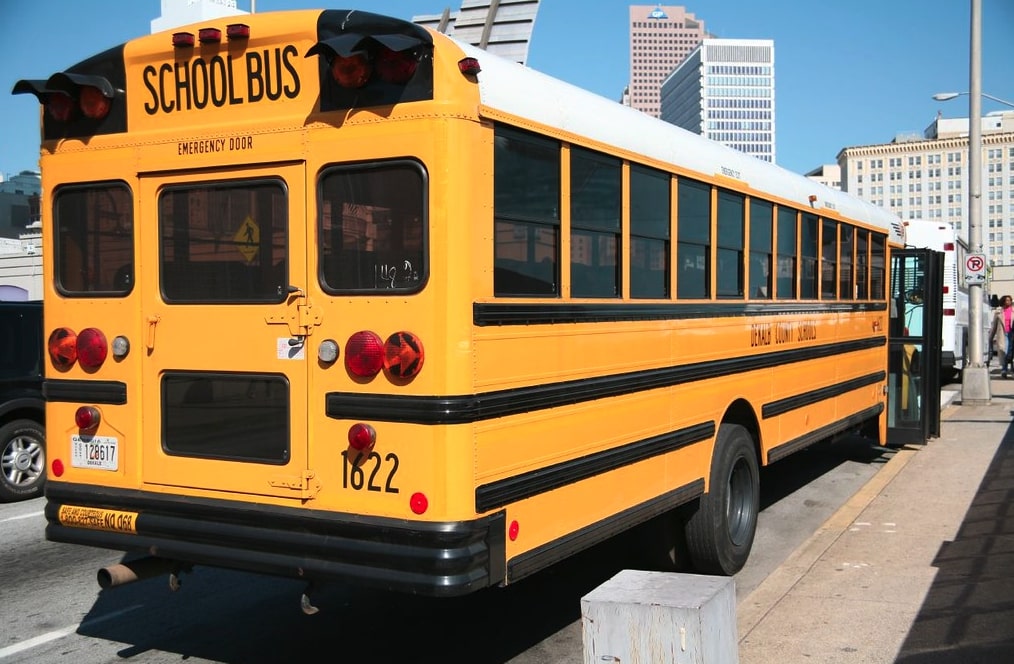
Distributed energy resource (DER) platform Voltus and Highland Electric Fleets have partnered to deliver grid reliability services to the PJM, US, market using electric school buses and vehicle-to-grid (V2G) technology.
The two will cooperate to deliver grid reliability to the PJM wholesale electricity market using electric school buses from Montgomery County Public Schools (MCPS) in Maryland, which covers some 160,000 students.
Maryland is one of 14 US states which are served by regional transmission organisation (RTO) PJM, all in the northeast of the country.
A press release said the deal represents the largest procurement of electric school buses of any school district in North America to-date, with MCPS’ fleet being the largest.
Try Premium for just $1
- Full premium access for the first month at only $1
- Converts to an annual rate after 30 days unless cancelled
- Cancel anytime during the trial period
Premium Benefits
- Expert industry analysis and interviews
- Digital access to PV Tech Power journal
- Exclusive event discounts
Or get the full Premium subscription right away
Or continue reading this article for free
“School districts like MCPS are leading the way in fleet electrification, delivering not only healthier transportation for students but also providing support for local and regional electric grid reliability,” said Ben Schutzman, vice president of fleet operations at Highland, which offers full-service electrification solutions for fleets of vehicles.
“Partnering with Voltus allows us to offer another value stream to school districts, further lowering the cost of upgrading to electric and also supporting increased renewable energy penetration by making the bus batteries available to utilities and wholesale electricity markets when they’re not being used to transport students,” he added.
Dana Guernsey, Voltus’s chief product officer, said that the entire US school bus fleet would add 29GW of new electric demand across 480,000 buses, adding they were a perfect use case for electrification.
Electrified school bus fleets also offer a great opportunity for V2G technology, thanks to larger battery sizes and more predictable planning of discharging and charging schedules, compared with consumer electric vehicles (EVs).
Voltus’ platform connects nearly 2.6GW of DERs to electric markets, the company claimed.
Another company active in the V2G space, Nuvve, is also eyeing applications for school buses as Energy-Storage.news recently reported.
Student transport supplier Zum Services and AI-driven DER software company AutoGrid announced last year that they would partner to bring 10,000 electric school bus batteries in the US into a virtual power plant resource.
One of the earlier examples was a project from Chinese battery supplier BYD, using the batteries of 100 vehicles in the UK to provide 1.1MW of energy to the grid for balancing services in 2020.