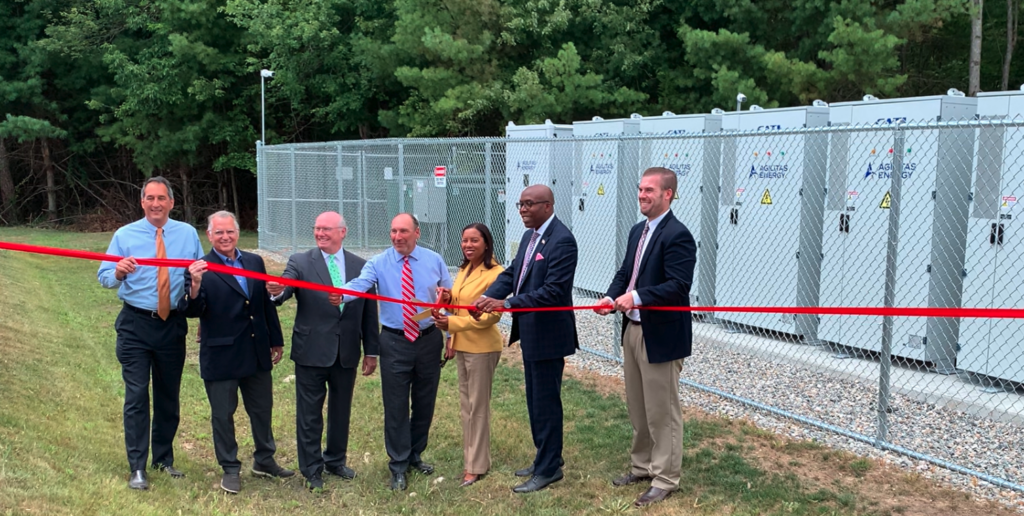
Duke Energy and Agilitas Energy have completed utility-scale battery energy storage system (BESS) deployments in the US states of Florida and Rhode Island, respectively, totalling 14MW of power.
The projects are relatively small compared to large-scale deployments in leading energy storage markets like Texas or California but exemplify the diversification of the market across the US away from the handful of leading states. They are also noteworthy for, in some cases, going well past one-hour durations.
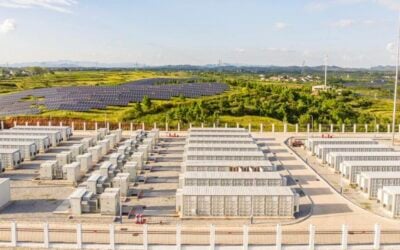
Duke Energy Florida completed the Micanopy battery site in Alachua County, a 8.25MW system, and a second one in Hamilton County totalling 5.5MW.
The energy company did not reveal the discharge duration of the projects, but a report provided by the company to Florida’s public service commission in April last year said the Micanopy unit was a 8.25MW/11.7MWh system, a 1.42-hour duration, while Jennings had a one-hour duration.
Try Premium for just $1
- Full premium access for the first month at only $1
- Converts to an annual rate after 30 days unless cancelled
- Cancel anytime during the trial period
Premium Benefits
- Expert industry analysis and interviews
- Digital access to PV Tech Power journal
- Exclusive event discounts
Or get the full Premium subscription right away
Or continue reading this article for free
The Micanopy project is providing a solution for power quality and reliability for the local town of the same name and the Hamilton site was an alternative solution to installing new distribution infrastructure.
The two new facilities build on three other projects in the state that Duke brought online back in March, reported at the time by Energy-Storage.news. The five combined bring its total MW deployed to just under 50MW online in Florida, its aim for end-2022. That will be reached when a 2.475MW BESS attached to a 1.5MW solar farm comes online at John Hopkins Middle School.
According to the same report to the commission from April, the latter battery system has an energy capacity of 18MWh meaning a 7.3-hour duration, indicating it is most likely using a non-lithium technology. Energy-Storage.news has asked the company to comment on this and will update the story in due course.
The company has come to energy storage relatively late compared to other some big energy groups and utilities in the US but has ambitions to deploy between 3,700MW and 5,900MW of energy storage in its service area in core markets of North and South Carolina alone by 2035.
Meanwhile, developer Agilitas Energy has brought into commercial operation a 3MW/9MWh BESS in the town of Pascoag, in the US’ smallest state, Rhode Island.
The three-hour project, the largest BESS in the state as previously reported by Energy-Storage.news, will participate in markets managed by grid operator ISO-New England and serve as a peak load reducer for utility Pascoag Utility District (PUD).
“As demand grows due to increased electrification and extreme weather conditions, we want to ensure Pascoag and Harrisville residents experience the same service and value they’ve come to expect,” said Mike Kirkwood, General Manager and CEO of Pascoag Utility District.
“This project from Agilitas Energy was an easy, no-risk way to keep our operating costs down and deliver cleaner energy in the most cost-effective manner.”
Agilitas Energy said its load forecasting and operational experience allows it to provide peak clipping and reliability services to utilities and to participate in non-wires alternative solutions.