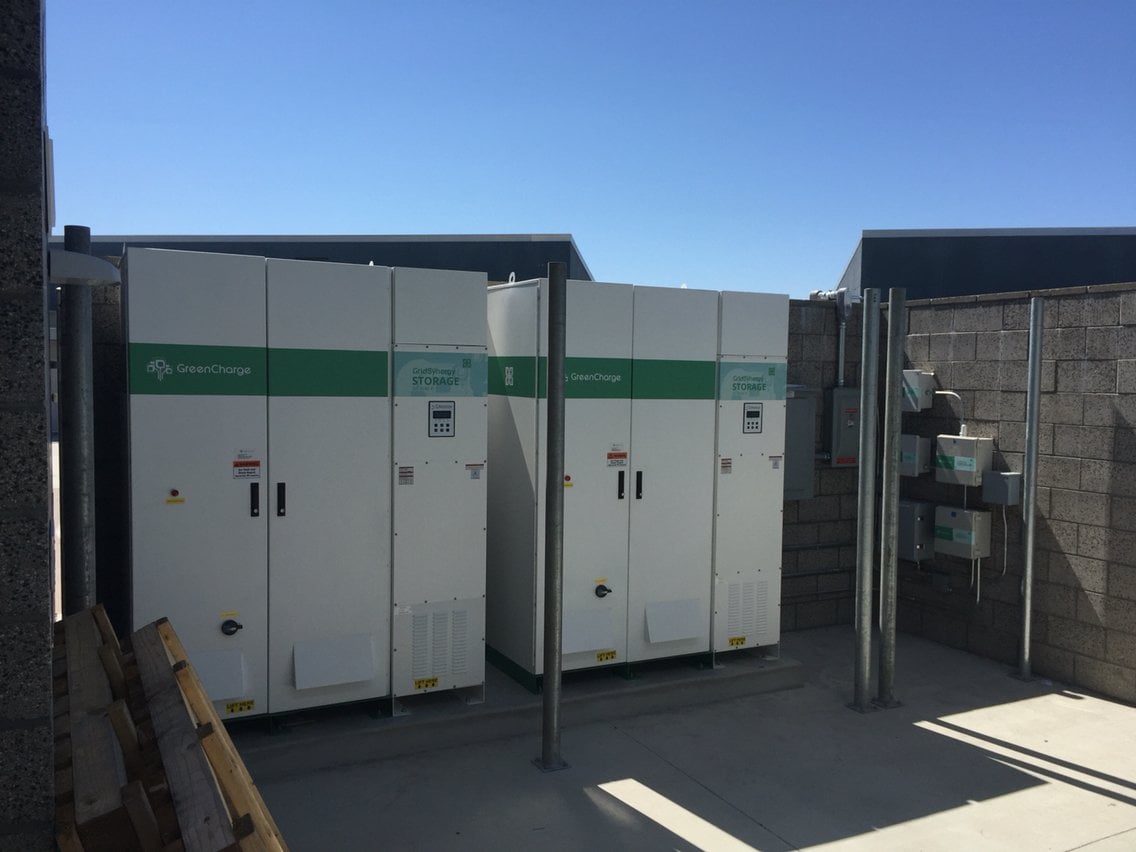
China-based EV and storage specialist BYD is to supply batteries to projects built by Silicon Valley commercial energy storage provider Green Charge, which is a subsidiary Engie North America.
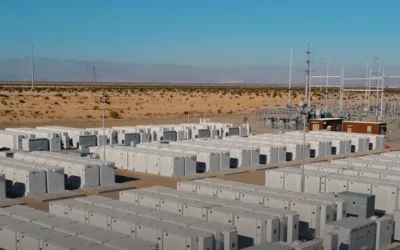
The first installation using BYD batteries will be a 3MW/6MWh system to be deployed next to Engie’s 5.76MW Mt. Tom Solar farm. The project, which will supply energy to the utility Holyoke Gas & Electric, will be the largest energy storage project in Massachusetts.
The aim of the storage system is to stabilise energy costs for electric ratepayers over a 20-year period and the plant will be used to determine the value of the storage technology throughout the US Commonwealth territory, having been supported by a Department of Energy Resources (DOER) grant.
Vic Shao, CEO of Green Charge, said: “Our first installation of utility-scale energy storage with Holyoke Gas & Electric is an extremely important milestone not just for Massachusetts but for customers benefiting from reduced utility capacity costs all while reducing stress on the HG&E grid system.”
Try Premium for just $1
- Full premium access for the first month at only $1
- Converts to an annual rate after 30 days unless cancelled
- Cancel anytime during the trial period
Premium Benefits
- Expert industry analysis and interviews
- Digital access to PV Tech Power journal
- Exclusive event discounts
Or get the full Premium subscription right away
Or continue reading this article for free
Micheal Austin, BYD vice president. “BYD has led the charge to improve the way we power our communities, and we will continue to lead as the only storage supplier that not only manufacturers rechargeable cells, but also the bi-directional inverters integrated in grid-tied containerized systems. BYD is helping make the transition to renewable energy possible.”
To date, BYD has installed more than 550MWh of energy storage systems worldwide and holds nearly 50% market share in the US frequency regulation energy storage market, as well as 25% of the entre US energy storage market. The firm is also aiming to launch its residential high-voltage B-Box energy storage systems into the US later this year.