EIT InnoEnergy has launched a platform designed to “bridge the gap” between financial institutions and battery businesses.
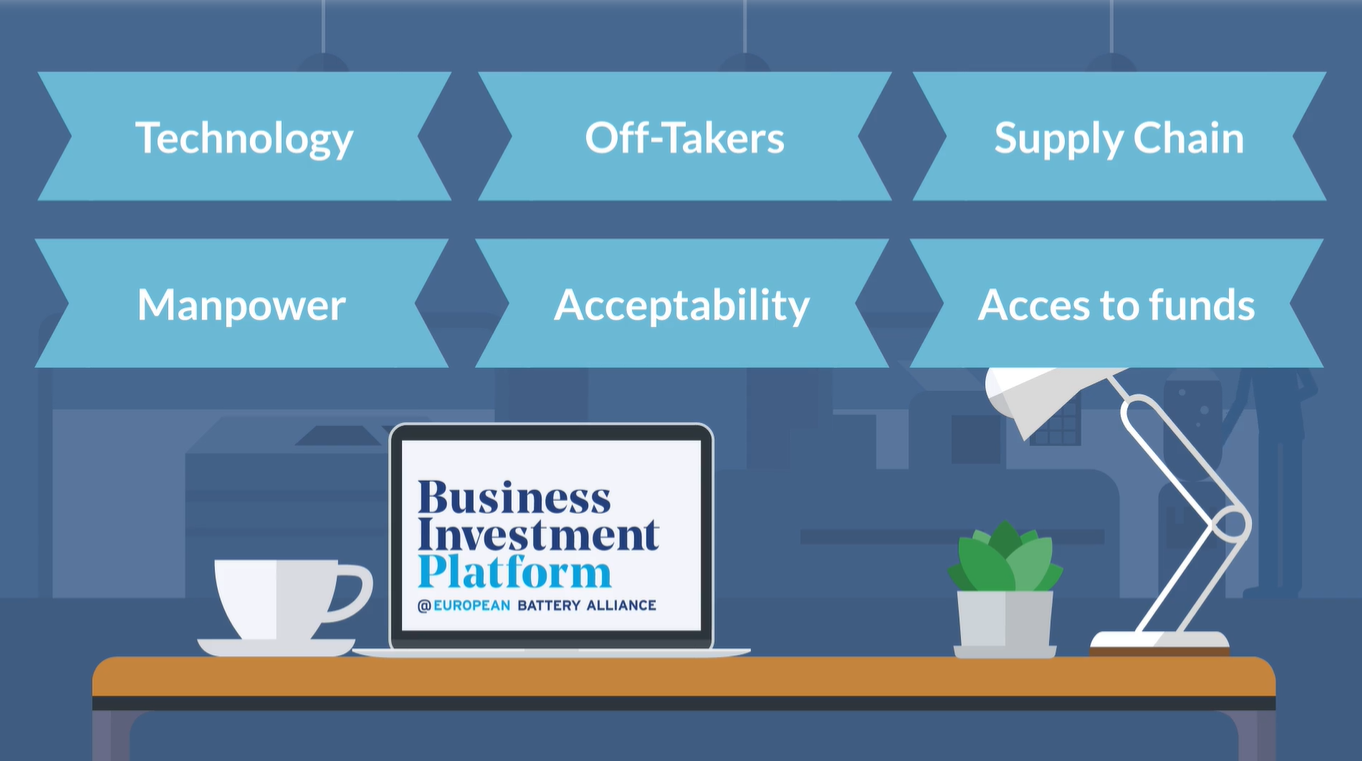
The Business Investment Platform (BIP) facilitates and coaches businesses in order to shorten the time to investment and “substantially” reduce the associated risk for both parties, InnoEnergy said.
Businesses receive guidance, from road-maps to bankability to the creation of investment strategy concepts. They are then matched with investors, with pitching sessions planned and organised.
As experts explained at this year’s Energy Storage Summit in February, interactions with investors will be key for storage players going forward.
Try Premium for just $1
- Full premium access for the first month at only $1
- Converts to an annual rate after 30 days unless cancelled
- Cancel anytime during the trial period
Premium Benefits
- Expert industry analysis and interviews
- Digital access to PV Tech Power journal
- Exclusive event discounts
Or get the full Premium subscription right away
Or continue reading this article for free
Crucially, an understanding should be fostered that investing in storage is a different beast to projects like wind and solar that have traditionally often been able to rely on government subsidies to lower risk.
However, the economics of storage are improving, in particular solar-plus-storage in Europe. Earlier this month, a study claimed that levelised costs of electricity for solar-plus-storage was already below 2018 spot prices.
InnoEnergy’s BIP is designed to “bridge the gap”, the firm said, and will enhance the robustness of the investment cases in all the required dimensions of the battery value chain.
The BIP’s network is formed via InnoEnergy’s and the European Battery Alliance’s (EBA) networks and includes public and private financial institutions and over 300 industrial innovation and academic stakeholders.
The BIP was launched at the European Battery Alliance’s EBA250 stakeholder meeting today (25 September 2019.) InnoEnergy was given the mandate to lead the implementation of the EBA, which aims to create a competitive manufacturing value chain in Europe, in 2017.
Diego Pavia, CEO of EIT InnoEnergy, said: “The future is electric. Batteries are quickly becoming the cornerstone of the energy transition and €70 billion of frontloaded investment in batteries is required to meet peak European demand by 2023.”