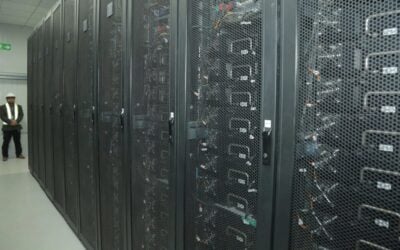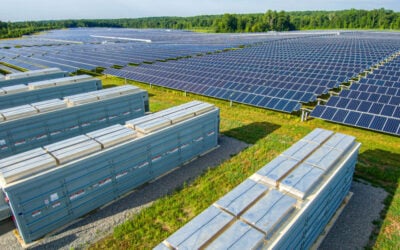
Georgia Power is set to boost its state’s battery energy storage sector, with the company's plan to own and operate 80MW of battery energy storage now approved by the Georgia Public Service Commission (PSC).
Georgia Power’s 2019 Integrated Resource Plan (IRP) has been approved by the Georgia Public Service Commission (PSC), in a unanimous decision. The plan includes energy storage, 72% more renewable generation by 2024, and approval of the company's environmental compliance strategy.
Allen Reaves, Georgia Power's senior vice president and senior production officer, said: “Working with the Georgia PSC, we are positioning Georgia as a leader in the Southeast in battery energy storage, which is critical to growing and maximizing the value of renewable energy for customers as we increase our renewable generation by 72% by 2024.
“Through the IRP process, Georgia Power will continue to invest in a diverse energy portfolio including the development of renewable resources in a way that benefits all customers to deliver clean, safe, reliable energy at rates that are well below the national average.”
Try Premium for just $1
- Full premium access for the first month at only $1
- Converts to an annual rate after 30 days unless cancelled
- Cancel anytime during the trial period
Premium Benefits
- Expert industry analysis and interviews
- Digital access to PV Tech Power journal
- Exclusive event discounts
Or get the full Premium subscription right away
Or continue reading this article for free
Under the approved IRP, Georgia Power will both own and operate the 80MW of new battery energy storage, add 2,260MW of new renewable generation to the company’s energy mix and retire five coal-fired units across the state.
New energy efficiency programs for customers, including both an income-qualified program and aniIncome-qualified energy efficiency pilot program, were also approved in this plan.
Georgia Power filed requests with the PSC to both raise residential rates and seek approval for its IRP earlier this month, while elsewhere in the US, utilities in New Mexico and Tennessee have also filed major new plans that include significant mention of energy storage.