Nearly 4.2GW of battery storage capacity was added to the US grid in 2021, according to a new report from BloombergNEF which also looked at growth in the country’s lithium-ion manufacturing capacity.
The ‘Sustainable Energy in America Factbook’, produced for The Business Council for Sustainable Energy, says the figure is more than in all preceding years combined.
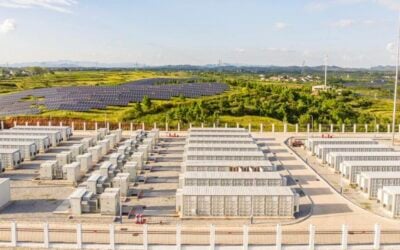
Non-hydro, i.e. battery energy storage deployments, grew 360% to 4,417MW although it says that only 77% of this is ‘confirmed’ with the remainder ‘estimated’. It brings the US’ cumulative total battery storage deployment to 6.6GW. The report highlights two main drivers of growth.
First, there is a growing need for storage in energy-shifting applications due to rising renewables on the grid, particularly California’s. And on the regulatory side, the Federal Energy Regulatory Commission (FERC) Order 841 (2018) removed barriers preventing storage from fully participating in those markets, providing a further tailwind to the sector.
Try Premium for just $1
- Full premium access for the first month at only $1
- Converts to an annual rate after 30 days unless cancelled
- Cancel anytime during the trial period
Premium Benefits
- Expert industry analysis and interviews
- Digital access to PV Tech Power journal
- Exclusive event discounts
Or get the full Premium subscription right away
Or continue reading this article for free
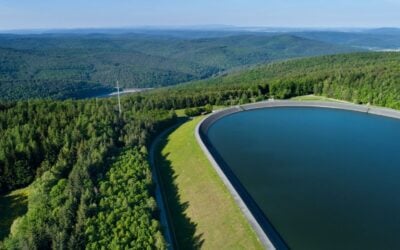
Though it cautions that with the higher penetration rate of batteries comes increased pressure to deliver on meaningful system-level impacts on the grid and power markets. Pumped hydro is around 80% of storage capacity in the US today but has been close to flat since 2004, today sitting at around 22.5GW.
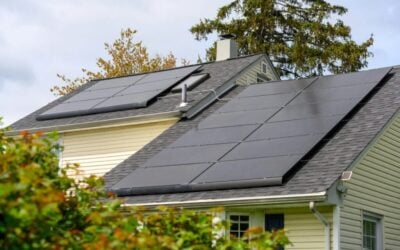
BloombergNEF’s report covers all segments of the battery storage market including residential, which saw 19,607 installations in the first nine months of 2021, two-thirds and 1.5x higher than the same period in 2020 and 2019 respectively.
US lithium-ion battery manufacturing capacity also increased, growing to 60GWh/year in 2021. It is expected to reach almost 100GWh/year by the end of 2022, though BloombergNEF does not forecast any further ahead.
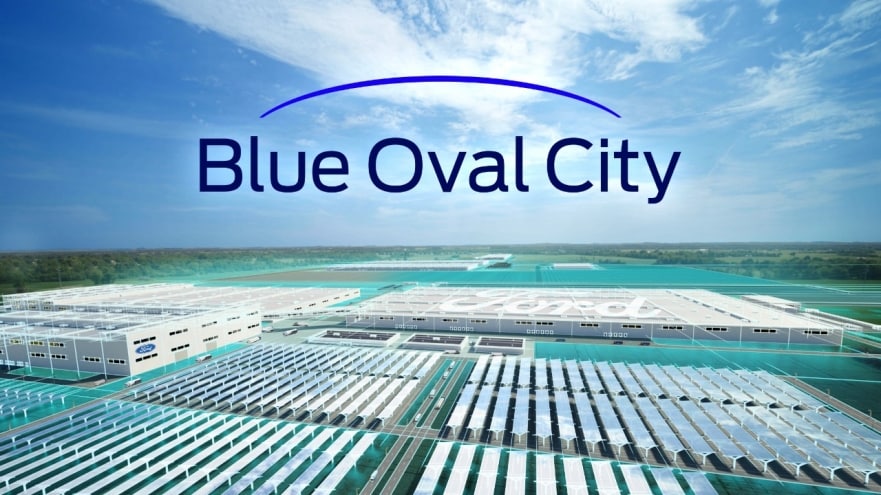
However, it notes that joint-venture projects by SK Innovation/Ford’s Blue Oval City and Samsung SDI/LG Energy Solution will add 129GWH by 2027 and 40GWh by 2025/25, respectively. These nearly triple the manufacturing capacity figure on their own.
BloombergNEF’s reports’ broader brief and methodology makes for more positive reading than the American Clean Power Association’s (ACP) recent report, which only covered utility-scale deployments and said that clean power installations fell 3% last year to 27.7GW after a particularly poor last quarter.
BloombergNEF says that overall, new renewable energy capacity deployments grew 5% to 37.3GW in 2021. This figure doesn’t include storage, without which the ACP’s annual deployments figure would have been even lower.
The battery storage sector employed 67,000 people at the end of 2020, though this is likely to be much higher considering the deployment levels the following year. Around 10% of its workforce is unionised, in line with solar and wind.