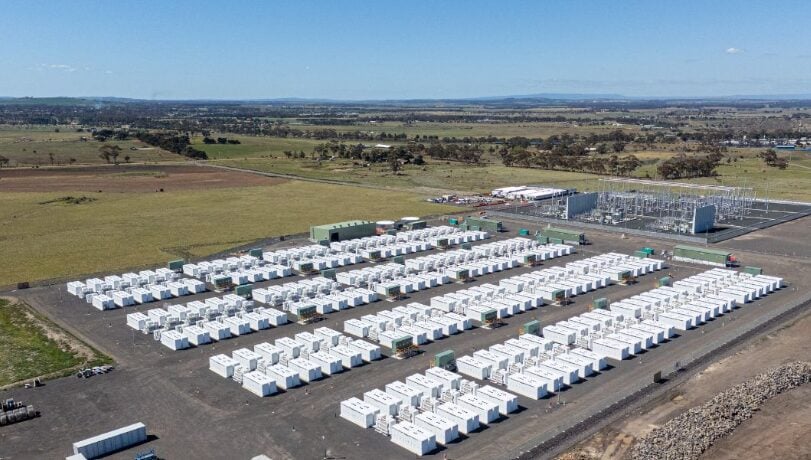
The 600MW/1.6GWh Melbourne Renewable Energy Hub has commenced commercial operations in Victoria, Australia.
The battery energy storage system (BESS) project has been jointly developed by Singapore-based Equis’s Australian subsidiary and the Victorian government’s State Electricity Commission (SEC).
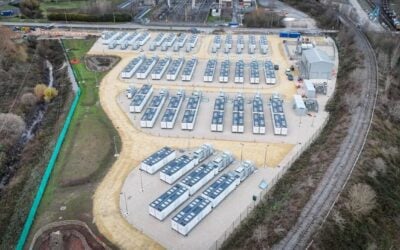
Located in Plumpton, west of Melbourne, the facility features 444 Tesla Megapack units configured across three separate battery energy storage systems. Two systems provide a 200MW capacity with a 2-hour storage duration, while the third delivers 200MW with a 4-hour storage duration, creating a combined 1.6GWh capacity.
The project’s strategic positioning at the intersection of multiple transmission lines enables it to provide grid services across Victoria’s electricity network.
Try Premium for just $1
- Full premium access for the first month at only $1
- Converts to an annual rate after 30 days unless cancelled
- Cancel anytime during the trial period
Premium Benefits
- Expert industry analysis and interviews
- Digital access to PV Tech Power journal
- Exclusive event discounts
Or get the full Premium subscription right away
Or continue reading this article for free
Equis Australia managing director David Russell confirmed the project achieved commercial operations on schedule and within budget, following a construction timeline that began with notice to proceed in December 2023.
The development team implemented what the company describes as a world-first underground 500kV cable connection, linking the battery storage system directly to existing gas-insulated grid infrastructure operated by transmission network service provider AusNet Services.
The technical configuration includes three Toshiba 500kV high-voltage transformers supporting the grid connection infrastructure. Equis secured AU$400 million (US$265 million) in debt financing to support the project’s development, with the SEC contributing AU$245 million in equity investment.
The total project value reached AU$1.1 billion, positioning it among Australia’s largest energy storage investments.
The battery storage system charges during periods of high renewable energy generation from wind and solar sources across the NEM, then discharges stored energy when demand increases or renewable energy generation decreases.
The Melbourne Renewable Energy Hub’s development timeline included several key milestones tracked by Energy-Storage.news.
Government approvals were secured for the expanded project scope, while grid connection works commenced under contractor Lumea. Tesla Megapack installation began in mid-2024, followed by commissioning activities that began in July 2025 and concluded with full commercial operations.
The project forms part of the SEC’s broader AU$1 billion investment program targeting 4.5GW of new renewable energy and storage capacity across Victoria. This initiative represents the first major deployment under the revived state-owned entity’s clean energy investment mandate.
Victoria’s electricity system faces increasing challenges as ageing coal-fired power stations approach retirement while renewable energy penetration increases.
The facility’s location offers strategic advantages for grid operations, as it is situated near the Keilor Terminal Station, where multiple transmission lines converge.
Equis Australia is developing additional battery projects across Australia, including the 250MW/500MWh Calala battery energy storage system (BESS) in New South Wales, which secured financing in March 2024.
The company also advances development of the Lower Wonga and Koorunga battery projects, alongside wind farm developments in its project pipeline.
Russell emphasised that the project demonstrates the potential for collaboration between private developers and government entities in delivering critical energy infrastructure. The successful delivery on schedule and budget provides a template for similar large-scale battery projects across Australia’s electricity system.
The Energy Storage Summit Australia 2026 will be returning to Sydney on 17-18 March 2026. To secure your tickets and learn more about the event, please visit the official website.