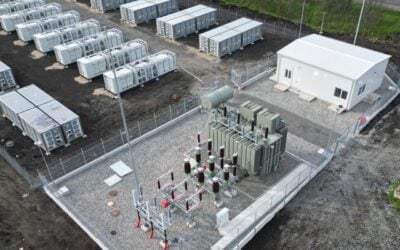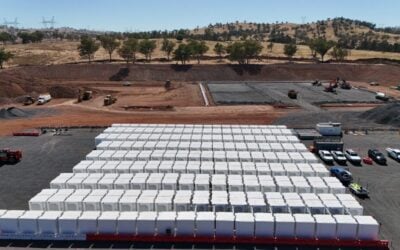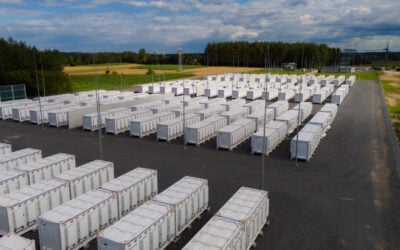
The World Bank and other financial institutions will provide a US$159 million package for a 250MW solar PV and 63MW battery energy storage system (BESS) project from UAE state-owned renewable energy developer Masdar in Uzbekistan.
The project, which is central Asia’s first renewable project to be built with a co-located battery energy storage system (BESS), will include a storage capacity of 63MW. It will be built by Nur Bukhara Solar PV LLC FE, a new project company owned and controlled by Masdar, which won a bid to build the project in December 2022 by offering to sell electricity generated at the project at US$0.03044/kWh.
Nur Bukhara Solar has already signed a 25-year power purchase agreement (PPA) to sell the plant’s electricity to Uzbekistan’s state-owned electricity grid, and has committed to managing the BESS component for the next ten years. The company will build the project in the Bukhara region in southern Uzbekistan, on the Turkmenistan border, but has not provided a timeline for the project’s construction and commissioning.
The project’s financing includes loans of US$53 million, provided by the World Bank’s International Finance Corporation (IFC), and loans worth US$106 million from the Asian Development Bank (ADB), Dutch Entrepreneurial Development Bank and the Japan International Cooperation Agency.
Try Premium for just $1
- Full premium access for the first month at only $1
- Converts to an annual rate after 30 days unless cancelled
- Cancel anytime during the trial period
Premium Benefits
- Expert industry analysis and interviews
- Digital access to PV Tech Power journal
- Exclusive event discounts