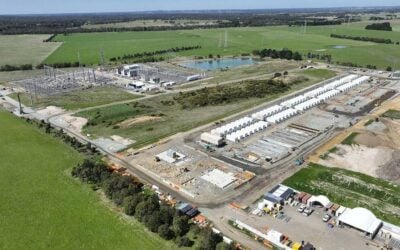
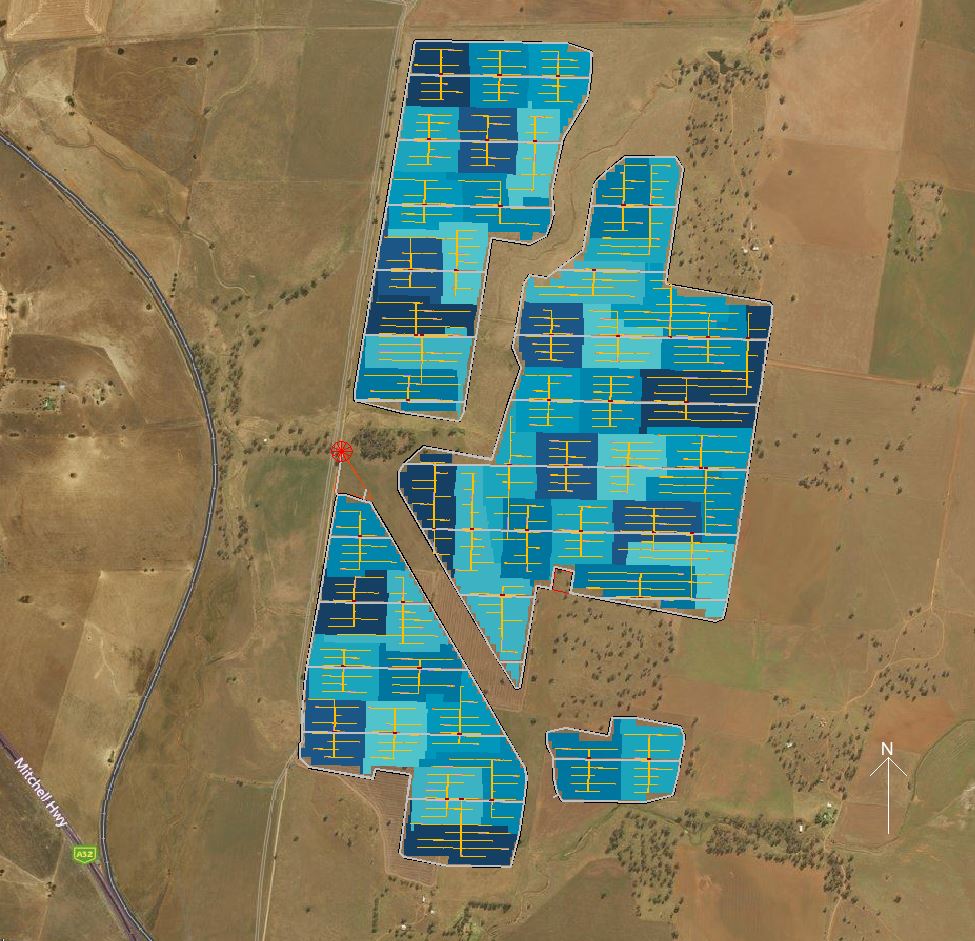
German solar developer Wirsol Energy has received development approval for its Maryvale solar and energy storage project in New South Wales (NSW), Australia, by the NSW Department of Planning, Industry and Environment.
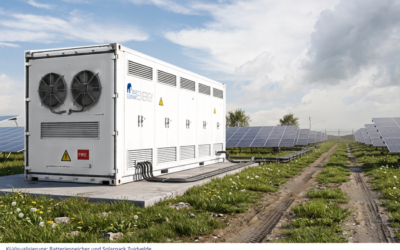
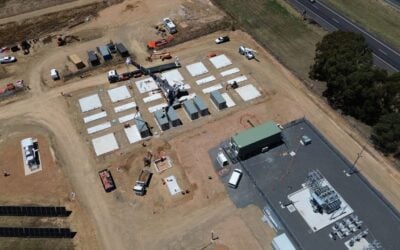
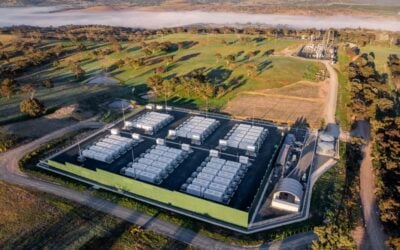
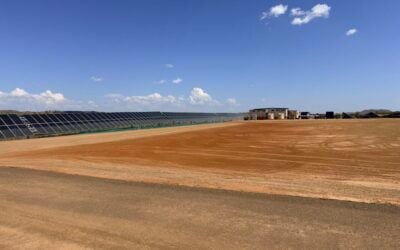
Located near to the city of Dubbo, the co-located project will consist of roughly 235MW of solar PV, combined with 190MWh – 270MWh of energy storage in the form of a lithium-ion battery energy storage system (BESS).
The project has now received planning approval and has submitted a grid connection request. It is expected to start construction in late 2023, with commercial operations beginning in early 2025.
To read the full version of this story, visit PV Tech.
This article requires Premium SubscriptionBasic (FREE) Subscription
Already a subscriber? Sign In
Try Premium for just $1
- Full premium access for the first month at only $1
- Converts to an annual rate after 30 days unless cancelled
- Cancel anytime during the trial period
Premium Benefits
- Expert industry analysis and interviews
- Digital access to PV Tech Power journal
- Exclusive event discounts