The US Trade and Development Agency (USTDA) is funding the assessment of a large-scale battery energy storage project in Zambia, which could grow into a 400MWh nationwide rollout.
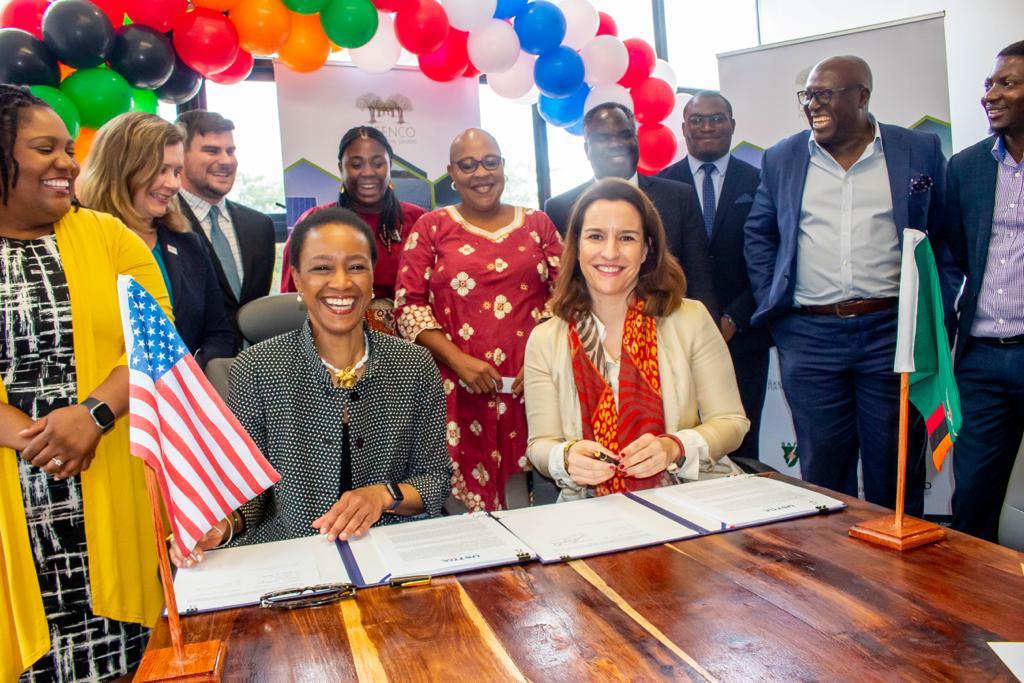
The independent agency of the US government announced the undisclosed grant to local firm GreenCo Power Storage Limited (GreenCo) last week (31 March).
GreenCo will use the funding to assess the technical, economic, and financial viability of deploying a utility-scale project in the Sesheke District, with the chosen technology and system design still to be chosen.
A media statement didn’t disclose the planned size of the unit but said it would be ‘one of the largest such battery installations in all of Africa’. It said it would help facilitate the integration of renewable energy resources in Zambia and ensure the stability and reliability of the grid.
Try Premium for just $1
- Full premium access for the first month at only $1
- Converts to an annual rate after 30 days unless cancelled
- Cancel anytime during the trial period
Premium Benefits
- Expert industry analysis and interviews
- Digital access to PV Tech Power journal
- Exclusive event discounts
Or get the full Premium subscription right away
Or continue reading this article for free
The project would also ‘place Zambia at the centre of renewable energy trading across southern Africa’ through the Southern Africa Power Pool (SAAP), the international power grid between a dozen countries in southern Africa.
That pilot project will then inform an expanded 400MWh battery energy storage system (BESS) rollout across the country. The study will also include economic and financial analysis for operating the pilot project and larger portfolio.
GreenCo describes itself as an intermediary offtaker and service provider, purchasing power from renewable independent power producers (IPPs) and selling that to utilities and private sector offtakers in Zambia and the wider SAAP.
“We are excited to receive USTDA’s support in developing Zambia’s first utility scale BESS, which will help increase the solar PV and wind power capacities that can be safely connected to the national grid,” said GreenCo Group CEO Ana Hajduka. “The BESS and the solar PV pilot project will directly enable are expected to create 600 short-term and 20 long-term jobs. We look forward to working with the Zambia Energy Regulatory Board, ZESCO and the Government of Zambia in ensuring the project’s success.”
GreenCO announced plans to procure a 40MWh BESS project in Zambia from IPPs and developers in July last year, inviting them to submit expressions of interest (EOIs). It is not clear if the projects are related.
The USTDA has previously funded feasibility studies into BESS projects elsewhere in Africa, including Mozambique, Senegal, Cameroon and Sierra Leone, reported on by Energy-Storage.news.