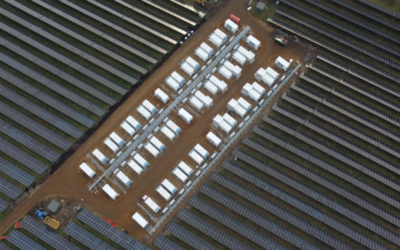
The STA has argued that an improved regulatory environment for storage would have a hugely positive impact on UK solar.
The UK energy storage industry is ready to deliver smart technologies for a clean energy system but requires the government to remove all barriers to deployment, the national Solar Trade Association (STA) has said.
Following the closure a joint call for evidence by the government’s Department of Business, Energy and Industrial Strategy (BEIS) and regulator Ofgem, the STA has published its response to the document on delivering a smart, flexible energy system.
Within its comprehensive response, the association urged government to firstly address the lack of regulatory definition for storage, which is known to lead to severe issues affecting the nascent market such as double charging on energy consumption levies.
This was one of the first issues identified in the call for evidence for which the STA commended both BEIS and Ofgem. However, it has stressed that action must be taken “as a matter of urgency”.
Try Premium for just $1
- Full premium access for the first month at only $1
- Converts to an annual rate after 30 days unless cancelled
- Cancel anytime during the trial period
Premium Benefits
- Expert industry analysis and interviews
- Digital access to PV Tech Power journal
- Exclusive event discounts
Or get the full Premium subscription right away
Or continue reading this article for free
The STA is pressing for improvements to the storage market due to the perceived impact it could have on the solar industry, which has struggled following drastic cuts to support for both residential and utility scale deployment.
Research commissioned by the STA last year found that storage could drastically improve the intermittency impacts of solar on the grid, even providing a net benefit to the future energy system. A report published by the International Renewable Energy Agency (IRENA) this week came to similar conclusions on a global scale.
“Storage has a multiplier effect for renewable energy”
Leonie Greene, head of external affairs at the STA, said: “Solar power has turned the grid on its head, it provides unique opportunities for energy consumers of all types to take control of their bills and produce their own energy, sitting at the heart of a smart, flexible energy system.
“Storage has a multiplier effect for renewable energy: whether it’s helping a homeowner get the most efficient use of their solar panels, or a solar farm match its output with demand, storage will benefit the whole system.”
However, the STA used its evidence document to highlight a number of steps needed to realise this potential, particularly clarity over Ofgem’s ongoing review of the charges paid for use of the distribution network, also known as embedded benefits.
It argued that this exercise is dampening the price signals that storage developers depend upon to profitably shift energy during times of high demand. This is thought to reduce the business case for providers of new flexible solutions such as storage, to the benefit of large, centralised generators and according to the STA is “is in direct conflict with the smart energy transition”.
Step in the right direction
Ofgem’s ongoing review of charging arrangements is being carried out separately from the call for evidence with BEIS and so was largely absent from the 104 page document, despite the cross over in eventual policy.
As well as potentially discouraging storage providers, the STA added that it did not believe distribution network operators are sufficiently incentivised to purchase storage and other flexible solutions when balancing or reinforcing their networks.
Nick Wood, STA policy analyst, said: “This is an exciting call for evidence and a step in the right direction. However we do not believe that network operators are sufficiently empowered to take up the ‘system operator’ roles envisioned in the document, and the day to day experience of our members on the networks can be frustrating.
“We need more open markets for flexibility services at distribution level, stronger buy-in from network operators and stronger direction from government in implementing these. Then we’ll start to see the benefits of a smart system that the industry is ready to deliver.”
The call for evidence closed last week (12 January) on the day that BEIS announced plans to create a more independent system operator within the National Grid group in an effort to create greater opportunities within the energy system for smart solutions.