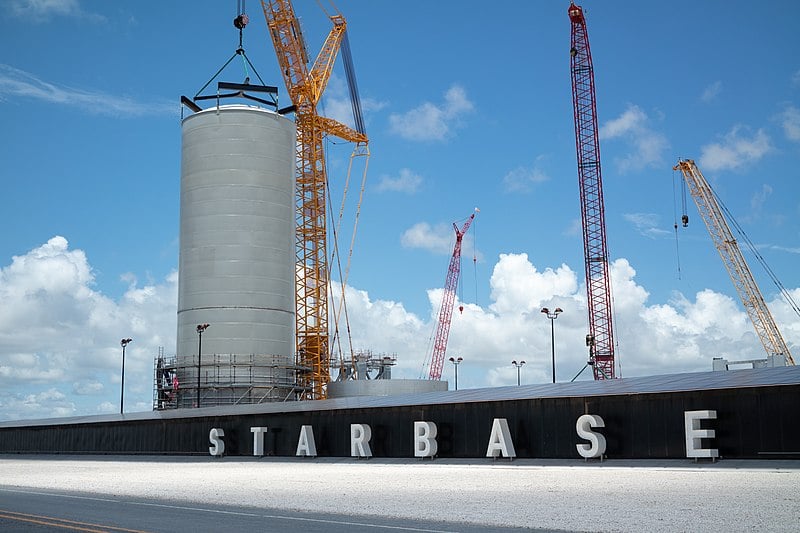
Tesla looks set to supply its Power Pack battery energy storage system (BESS) to sister company SpaceX’s Starbase launch facility in Texas, which is expanding on-site storage by up to 8MWh.
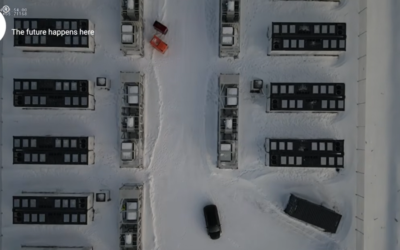
The SpaceX facility’s vertical launch area (VLA) is currently powered by a 1MW solar farm and a 3.87MWh BESS. SpaceX is now seeking to add another 750kW of solar panels and an additional BESS of up to 8MWh, with construction expected to take 24 months.
That is according to a document from the United States Department of the Interior’s Fish and Wildlife Service calling on Tesla to take steps to mitigate the impact of the expansion, which was first obtained by CNBC and is available for download here.
Neither Tesla nor SpaceX appear to have confirmed the story officially. The document cites concerns over hazardous material release in the event of a fire or damage to the solar and battery sites.
Try Premium for just $1
- Full premium access for the first month at only $1
- Converts to an annual rate after 30 days unless cancelled
- Cancel anytime during the trial period
Premium Benefits
- Expert industry analysis and interviews
- Digital access to PV Tech Power journal
- Exclusive event discounts
Or get the full Premium subscription right away
Or continue reading this article for free
It says that Tesla will supply the additional BESS using its lithium-ion Power Pack batteries. However, the new solar panels will be supplied by Trina rather than Tesla, which has its own solar PV panel products. The document says the existing solar panels are ‘…SpaceX solar panels’.
SpaceX, which shares a CEO and main shareholder in Elon Musk and several board members with Tesla, bought US$3-4 million worth of goods and services from its sister company in 2020 and 2021. These have mainly been power and solar products as well as some vehicle components.
The EV giant is the second-largest system integrator in the world after Fluence, according to IHS Markit’s recent ranking. It made another 846MWh of BESS deployments in the first quarter of 2022 but said semiconductor shortages and shipping delays were felt in its supply chain.