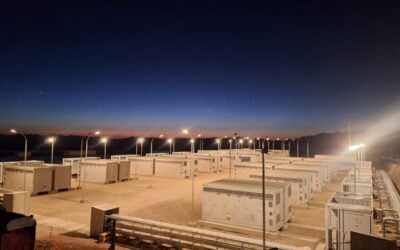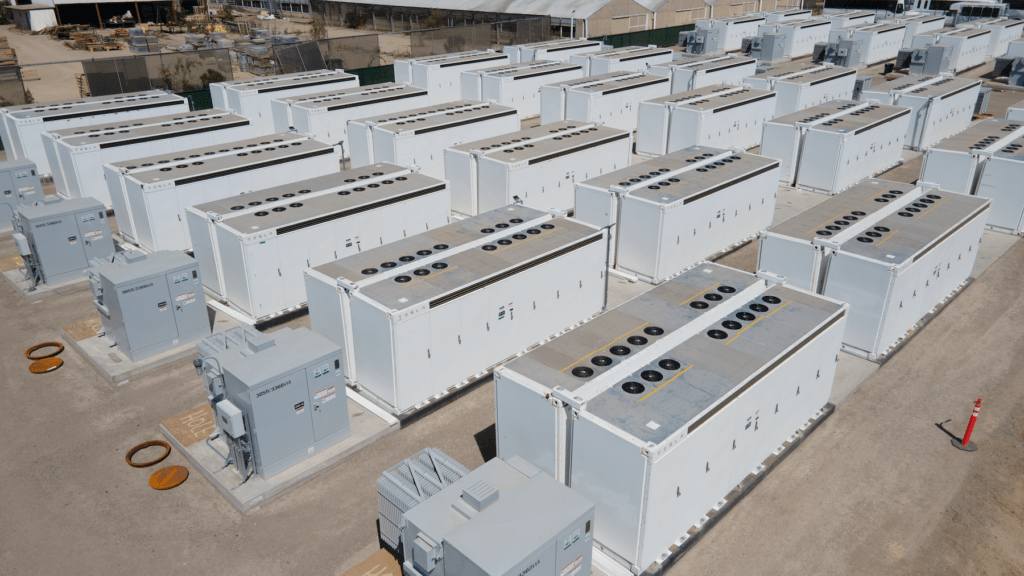
Tesla made 846MWh of battery energy storage system (BESS) deployments in the first quarter of this year and is looking ahead to the opening of a dedicated grid-scale BESS factory to meet demand.
The electric vehicle (EV) and energy technology company reported its Q1 2022 figures earlier this month. As reported by our sister site PV Tech, component shortages were blamed for a continued decrease in solar PV installs, which stood at 48MW for the period, its second worst quarter on record for solar.
Tesla earned US$1.279 billion revenues combined from its energy business, including solar PV and battery storage over the three-month period, significantly more than Q1 2021’s US$893 million and a little more than the US$1.064 billion reported for Q4 2021.
Cost of revenues in that energy generation and storage business division was counted as US$688 million. Total revenues across all of Tesla’s business lines were US$18.76 billion, an US$8.37 billion increase year-on-year.
Try Premium for just $1
- Full premium access for the first month at only $1
- Converts to an annual rate after 30 days unless cancelled
- Cancel anytime during the trial period
Premium Benefits
- Expert industry analysis and interviews
- Digital access to PV Tech Power journal
- Exclusive event discounts
Or get the full Premium subscription right away
Or continue reading this article for free
Storage deployments enjoyed a 90% year-on-year rise, from 445MWh in Q1 2021, although they were slightly down from Q4 2021, when 978MWh were recorded.
The ongoing impacts of the COVID-19 pandemic on logistics costs and timing were felt during the quarter, Tesla said in its Form 10-Q filed with the US SEC, with semiconductor shortages and shipping delays among the effects.
However, sales and demand for energy storage products and services appears to remain robust. Energy-Storage.news has reported on various large-scale battery storage projects over the past few months that Tesla has been awarded in markets including the US, UK and Australia.
Over Q1 2022, strong deployments were seen for the Tesla Powerwall BESS product, and the company said it is looking forward to opening and ramping up a dedicated factory making its Megapack grid-scale products – although the company does not report a breakout of sales figures by product.
Demand for battery storage “remains significantly above capacity,” the company said, with growth limited by ongoing supply chain challenges, which for batteries have been hugely exacerbated – although not entirely caused by – the pandemic.
It echoed what was said by Tesla when reporting its full-year 2021 results in January when executives stated demand was “substantially above capacity”. In 2021, Tesla deployed 3,992MWh of storage for the full year, 32% more than in 2020 and more than double what it did in 2019.
Tesla is now using the same battery chemistry, lithium iron phosphate (LFP) for about half of its range of vehicles as it does for BESS. Diversifying battery chemistries will be critical to the company’s long-term growth, to match products to use cases better and to expand supplier base, Tesla said.