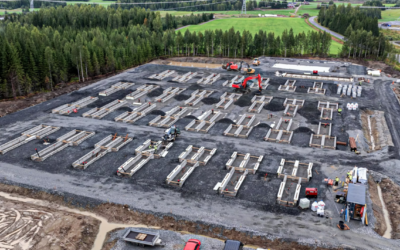
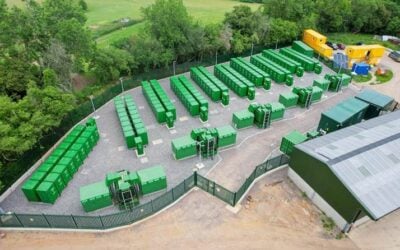
Covenergo and Delta Capacity have begun construction on AKKU One, a standalone 125MW/300MWh battery energy storage system (BESS) in Lapinlahti, Finland, with commissioning targeted for the fourth quarter of 2027.
Second-life battery energy storage system (BESS) firms B2U, Moment and Rebaba are advancing project operations in Texas, US compliance, and new financing in Europe, respectively.
Three years after the EU Batteries Regulation (EUBR) entered into force, it is becoming easier to separate regulatory expectations from measurable market impacts, writes patent lawyer Chloe Flower.
US lithium-sulphur battery company Lyten is aiming to acquire another of Europe’s failed homegrown battery startups, Norway’s Morrow Batteries, which went into bankruptcy earlier this year.
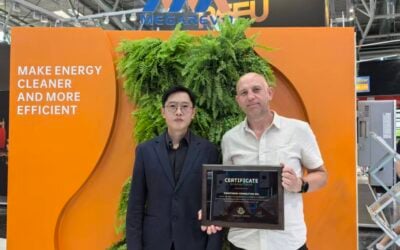
Brian Yaw, founder of Megarevo, discussed the company’s approach to commercial and industrial energy storage, their competitive strategy, and plans for the European market with Energy-Storage.news at Intersolar Europe 2026.