The reuse of electric vehicle (EV) batteries in stationary storage systems offers great possibilities, but investors still need to gain confidence in the ‘second life’ battery concept, the CEO of a company behind a new project in England has said.
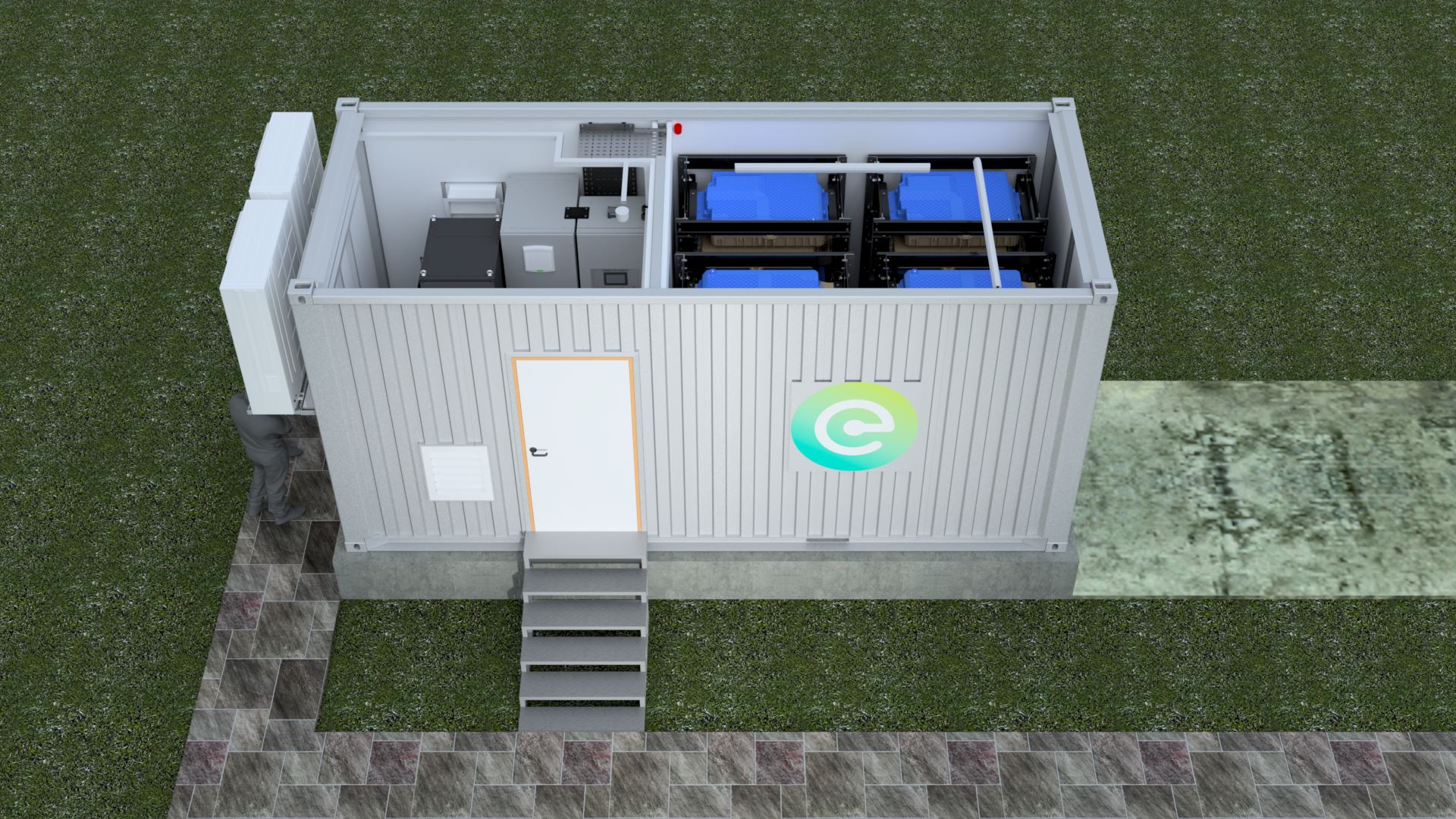
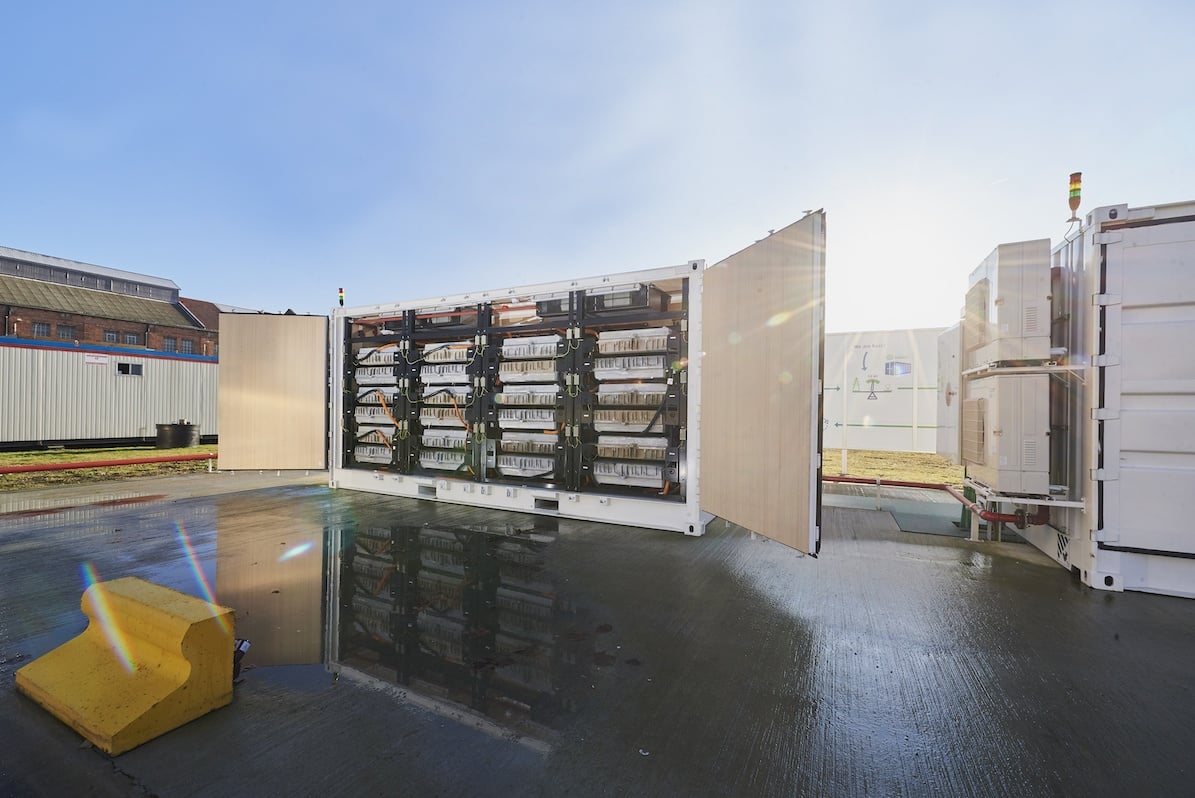
Matthew Lumsden, CEO of UK-headquartered Connected Energy spoke to Energy-Storage.news yesterday as the company announced the first installation of its new stationary battery storage solution, which in this case used 24 Renault Kangoo EV batteries to build a 300kW / 360kWh facility.
As reported yesterday on our UK sister site Solar Power Portal, a local authority in southern England has ordered the system to help create a low carbon energy solution including solar PV and electric vehicle chargers for a new heritage facility, which will house historic local archives. This includes HVAC climate control, crucial for keeping the archived documents in good condition.
CEO Matthew Lumsden said that working with 2nd life batteries for about five years now means that from what was a very small data set available in the beginning on how batteries will behave once repurposed in new applications, the company is able to manage and “further optimise how the batteries are operated,” in a press release about the project. Project partners Renault and power electronics company ABB also collaborated to help increase efficiencies in both power and capacity of the system.
Try Premium for just $1
- Full premium access for the first month at only $1
- Converts to an annual rate after 30 days unless cancelled
- Cancel anytime during the trial period
Premium Benefits
- Expert industry analysis and interviews
- Digital access to PV Tech Power journal
- Exclusive event discounts
Or get the full Premium subscription right away
Or continue reading this article for free
‘Availability of second life batteries will increase dramatically between now and 2025’
The configurable solution which Connected Energy has developed is called E-STOR. CEO Matthew Lumsden answered a few quick questions for Energy-Storage.news yesterday on both the technologies and the market for second life batteries as he sees it:
How do strategies for managing the degradation and throughput capabilities of these batteries differ from those in a ‘normal’ stationary energy storage system?
Because each battery pack has its own battery management system (BMS) and a slightly different level of degradation the E-STOR system manages each battery pack separately and switches between batteries as they become depleted.
When the system does switch between batteries, as one battery is momentarily taken offline the others seamlessly provide more power until the switched battery is replaced by another. This approach enables us to operate thousands of batteries in multi-megawatt systems.
We think of second life batteries as being an asset class distinct from new lithium-ion systems because they have a lower cost of degradation. Because of this lower degradation cost, sometimes management strategies focus on maximising revenue whilst carefully managing an increased rate of degradation. This can offer more duty cycle flexibility than new systems.
How important are projects like this and business models like Connected Energy’s to the overall ‘sustainability picture’ for lithium-ion batteries?
Numerous projections suggest that the availability of second life batteries will increase dramatically between now and 2025.
Second life battery use can approximately double the working life and value extracted from the embedded resources in the batteries prior to recycling, so can have enormous sustainability implications.
Whilst Connected Energy has developed commercially viable technology to use these batteries, customers and investors still need to gain confidence in the second life concept. Projects like [this] are key to building this confidence so that deployment can ramp up with battery availability.
While it’s clearly a bit of a niche today, I hear that it’s likely second life batteries will be a commodity that the stationary storage market will be scrambling to get their hands on in the future – what sort of competitive market landscape for this type of technology solution does Connected Energy expect to see in, say, five to 10 years’ time?
Over the course of the next five years the first batteries will become available from a wide range of manufacturers and the challenge will be matching battery availability with project pipelines.
Connected Energy has responded to this challenge by developing a battery agnostic system that can use batteries from a range of manufacturers and is working with suppliers to minimise testing and logistics costs.
In five to 10 years’ time we expect success to come from joined up value and supply chains that provide battery suppliers with guaranteed routes to market and customers with guaranteed battery quality, cost and availability.