South Australia is set to open its inaugural Firm Energy Reliability Mechanism (FERM) tender this month, seeking 700MW of long-duration energy storage (LDES) to bolster grid reliability as the state progresses toward its 100% net renewables target by 2027.
ASL, the scheme administrator appointed by the South Australian government, announced that the tender will open in October, with bids due in November, and winners to be announced in April or May 2026.
The procurement marks the state’s first competitive process under the FERM framework, designed to secure long-term energy storage and firm generation capacity.
The tender targets 400MW of capacity operational by November 2028, with an additional 200MW required by late 2029 and 100MW by 2031. To qualify for the technology-neutral procurement process, projects must demonstrate a minimum capacity of 30MW and provide at least eight hours of storage duration.
Try Premium for just $1
- Full premium access for the first month at only $1
- Converts to an annual rate after 30 days unless cancelled
- Cancel anytime during the trial period
Premium Benefits
- Expert industry analysis and interviews
- Digital access to PV Tech Power journal
- Exclusive event discounts
Or get the full Premium subscription right away
Or continue reading this article for free
Battery energy storage systems (BESS) and gas generation represent the primary eligible technologies, though the scheme remains open to other firm capacity providers capable of meeting technical requirements.
The 8-hour minimum duration requirement positions the tender to attract long-duration energy storage systems rather than shorter-duration applications.
ASL will host tender information and documentation through its website, providing project developers with detailed technical specifications, commercial terms, and evaluation criteria.
Administrator expertise and market context
ASL, formerly AEMO Services, brings extensive experience managing competitive renewable energy procurements. It has administered tenders for the federal government’s Capacity Investment Scheme and New South Wales renewable energy infrastructure roadmap.
The organisation’s appointment leverages established tender processes and market engagement capabilities developed through previous large-scale procurement rounds.
The tender design incorporates lessons from previous long-duration storage procurements across Australia. Earlier this year, ASL opened a 1GW long-duration energy storage tender in New South Wales, establishing precedents for extended-duration storage procurement.
South Australia has emerged as a leading region globally for renewable energy integration. Energy storage is becoming increasingly important for managing grid reliability as the state targets 100% net renewables by the end of 2027.
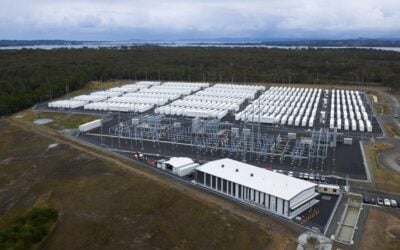
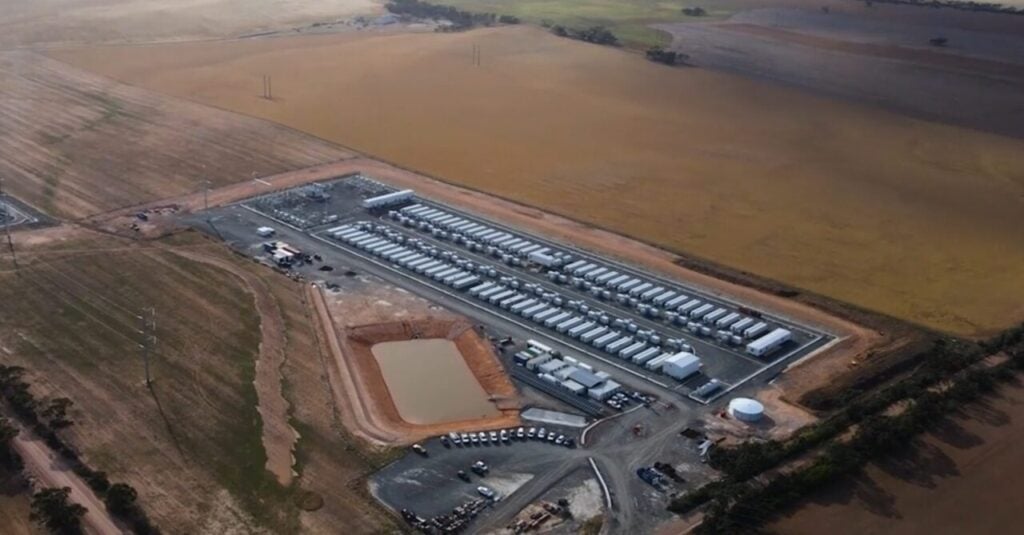
The state currently operates several large-scale battery projects, including the 238.5MW/477MWh Blyth project, with additional systems under construction or contracted. These projects establish a foundation for the FERM’s focus on extended-duration storage capabilities.
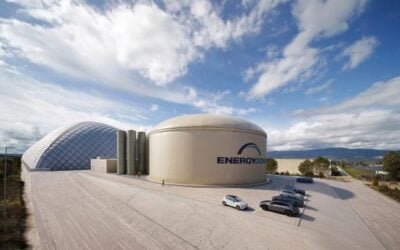
South Australia’s energy storage landscape extends beyond traditional lithium-ion battery systems. AGL recently acquired a 720MWh long-duration electro-thermal energy storage site in the state, demonstrating growing interest in alternative storage technologies for extended-duration applications.
FERM framework and grid reliability
The FERM framework represents South Australia’s response to identified reliability gaps in the National Electricity Market (NEM) as thermal generation retires and renewable energy capacity expands.
Battery storage growth has surged as the Australian Energy Market Commission predicts energy reliability gaps across multiple states during the energy transition.
Successful FERM projects will receive capacity commitments providing revenue certainty for long duration storage investments. The mechanism combines competitive tender processes with long-term contracts to attract private investment in firm capacity infrastructure essential for grid reliability during renewable energy integration.
The South Australian government previously conducted consultation processes to refine the FERM framework and gather industry feedback on tender design elements, ensuring procurement mechanisms align with market capabilities and technical requirements.
The 700MW capacity target represents substantial firm capacity deployment as South Australia advances its renewable energy transition while maintaining system reliability through competitive market mechanisms.