Approval has been granted for a 150MWh battery storage retrofit at a Queensland solar farm under development by Elliott Green Power Australia (EGP), a solar investment fund group currently seeking to sell off its assets and exit the industry.
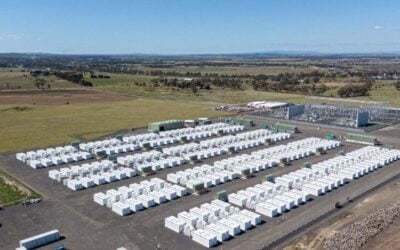
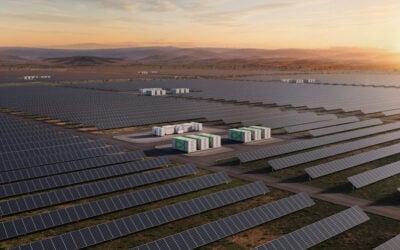
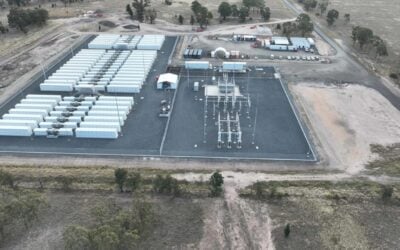
EGP’s plan to add the 50MW / 150MWh battery energy storage system (BESS) at the same location as its existing 95MW Susan River Solar Farm was approved recently by the local Fraser Coast Shire Council in south-east Queensland. EGP is a subsidiary of funds advised by fund management group Elliott Management Corporation.
With a similar plan to install a 25MW / 50MWh BESS at EGP’s 75MW Childers Hill Solar Farm in the same region recently approved, a source close to the company informed Energy-Storage.news, that adding 125MW of battery assets across its existing portfolio of solar projects around Australia will enhance the solar PV plants’ operational profiles and open up new revenue opportunities including ancillary services and merchant energy arbitrage.
In other words, the addition of batteries will make EGP’s 300MW of solar assets — which the source said are 94% contracted for 10 years with a highly rated counterparty that provides good cashflow certainty — even more valuable while they are in the process of being sold.
Try Premium for just $1
- Full premium access for the first month at only $1
- Converts to an annual rate after 30 days unless cancelled
- Cancel anytime during the trial period
Premium Benefits
- Expert industry analysis and interviews
- Digital access to PV Tech Power journal
- Exclusive event discounts
Or get the full Premium subscription right away
Or continue reading this article for free
In addition to Childers Hill and Susan River in Queensland where BESS additions have already been approved, the company is developing a 50MW / 100MWh BESS plan for its 132MW Nevertire Solar Farm in New South Wales. That project is progressing through its approvals, the source said, while adding that in Queensland in particular, adding storage “adds significant operating flexibility and value to existing high quality generation capacity”.
LFP batteries chosen by Victoria BESS developer ‘for safety reasons’
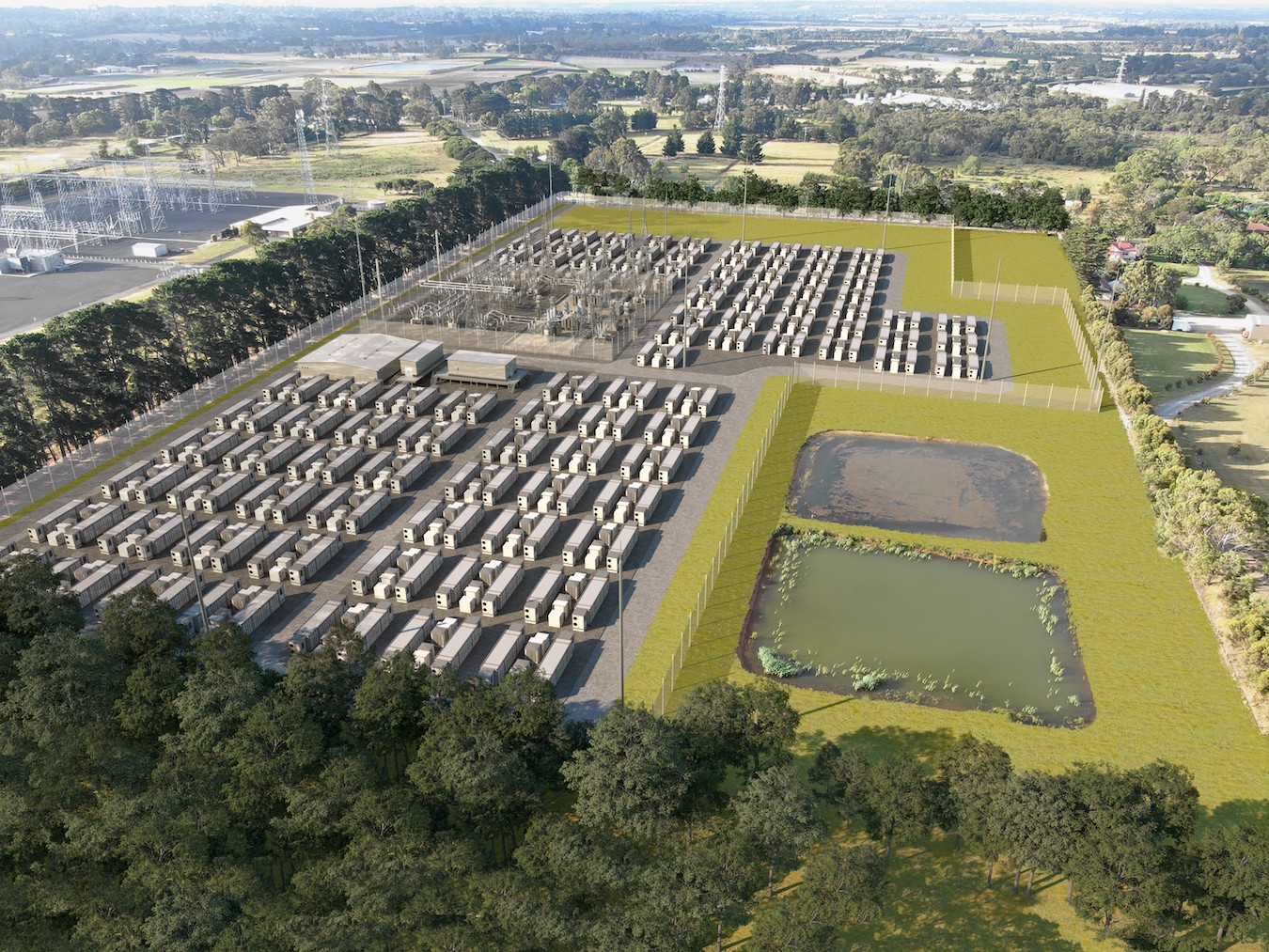
In other large-scale battery storage news from Australia, Maoneng, a renewable energy development company said that it has selected lithium iron phosphate (LFP) battery chemistry for a proposed 240MW / 480MWh project in Victoria.
The standalone BESS project would be built in Victoria’s Mornington Peninsula, which is a region subject to big fluctuations in power demand due to seasonal tourism. The project would also aid local electric system reliability and aid integration of renewable energy onto the network, the company said in July as the proposal was announced.
Perhaps as the attention of people in the local area was still drawn towards the fire incident reported last week at the 300MW / 450MWh Victorian Big Battery which was undergoing testing ahead of commissioning later in the year, Maoneng issued a press release yesterday saying the company is choosing LFP batteries “as a result of their strong safety performance”.
Maoneng said LFP has a relatively higher thermal stability and less dense chemical composition than other battery chemistries used in large-scale energy storage systems, like the high density nickel manganese cobalt (NMC) that many companies have used to date on their projects and that are commonly found in electric vehicle batteries, where high energy density matters more. State-of-the-art fire detection system and a 24/7 advanced fire suppression system will also be used at the Mornington BESS project, the company said.
“LFP technology has a very good safety record, which is why we have chosen it for the Mornington BESS. The batteries will be supported by other systems to enable a high level of confidence in our approach to safety,” Maoneng co-founder and CEO Kevin Zhou said.
Previously, industry sources and experts have commented to Energy-Storage.news that while LFP does indeed have a better tolerance to thermal events than some other chemistries, fire safety is never a subject that should be taken lightly and that risks need to be mitigated for any large power or energy infrastructure asset. While in the US, there have been some utility company requests for proposals (RFPs) in the past couple of years that have stipulated LFP should be used over NMC, both sub-chemistries will continue to have a role to play and the choice of LFP batteries is not a “silver bullet solution” that solves the issue of potential thermal runaway in itself.