The California Public Utility Commission (CPUC) has tabled plans to mitigate a potential shortfall of electricity through the rapid procurement of new capacity over the next five years, 90% of which must be non-emitting firm resources.
A massive “green hydrogen hub” adjacent to a coal power plant in Utah could get over half a billion dollars in US government loans to support its development.
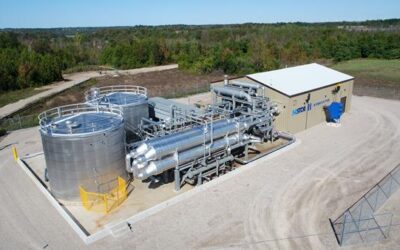
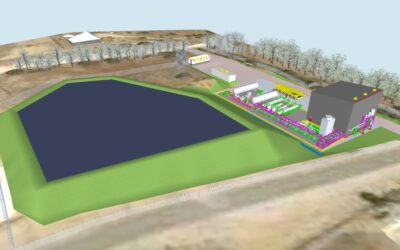
The Canadian federal government is financially supporting the development of a large-scale advanced compressed air energy storage (A-CAES) project capable of providing up to 12 hours of energy storage.
Energy storage’s potential and value needs to be allowed to shine for Canada to achieve its goal of net-zero emissions by 2050 – and to avoid being left behind in the international race to modernise global energy systems.
While lithium-ion batteries get most of the headlines, long-duration solutions of various types are gaining ground. Alice Grundy and Andy Colthorpe profile some of the established and emerging concepts in this increasingly important field.
Developer NRStor and technology provider Hydrostor have completed work on a multi-megawatt, commercial, advanced compressed air energy storage (A-CAES) system in Canada.
The Australian Renewable Energy Agency (ARENA) has approved A$6 million of funding for the country’s first compressed air energy storage (CAES) project.
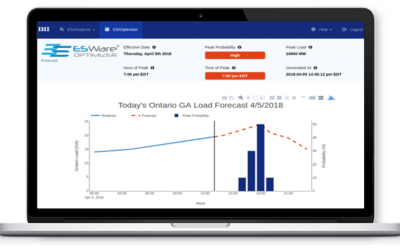
Currently attracting developers and investment alike, the opportunity to reduce energy costs for businesses in Ontario has led to an agreement for another 42MWh of energy storage from project developer NRStor and solutions provider IHI Inc.
Stem Inc, self-described as a supplier of “artificial intelligence-powered” energy storage, which deployed a system on average every two days last year, has closed a US$80 million Series D financing round.