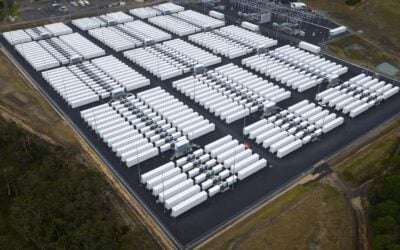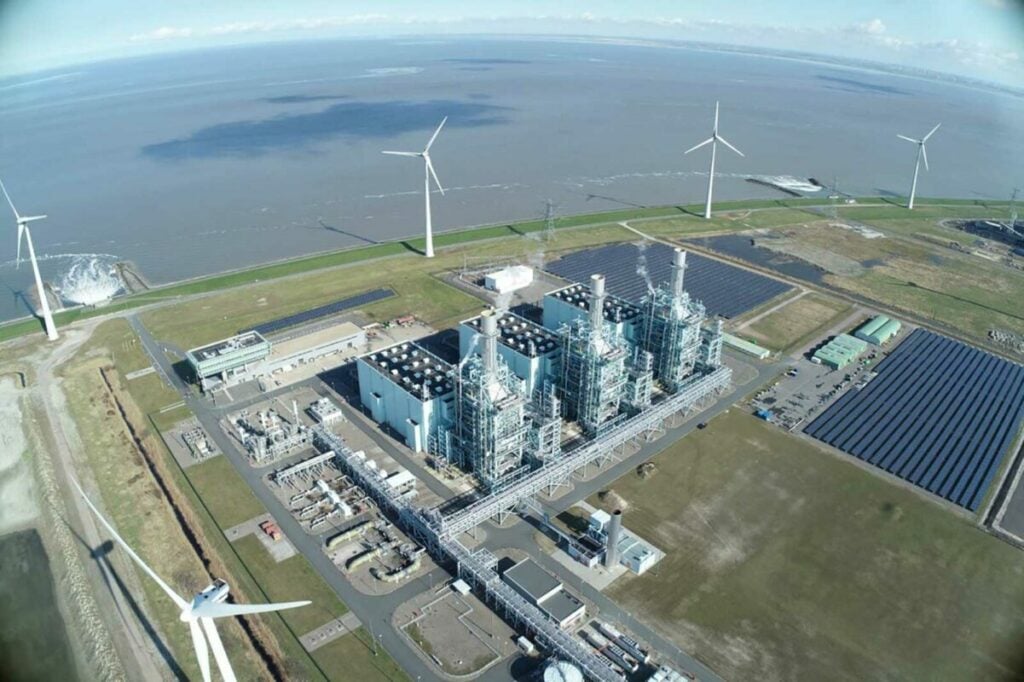
Germany-headquartered energy firm RWE is installing its first battery storage project in the Netherlands, with a 35MW unit virtually coupled with a biomass plant it operates.
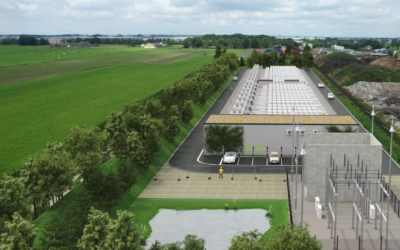
The multinational will invest €25 million (US$25.5 million) in the 35MW/41MWh battery energy storage system (BESS) installed at its biomass plant in Eemshaven. Construction will start by the end of the year with a commissioning date in early 2025.
The BESS is one of a number of “innovative demand assets” which will integrate the OranjeWind offshore wind farm’s intermittent generation into the Dutch energy system, RWE said. It also plans to deploy green hydrogen production as part of that.
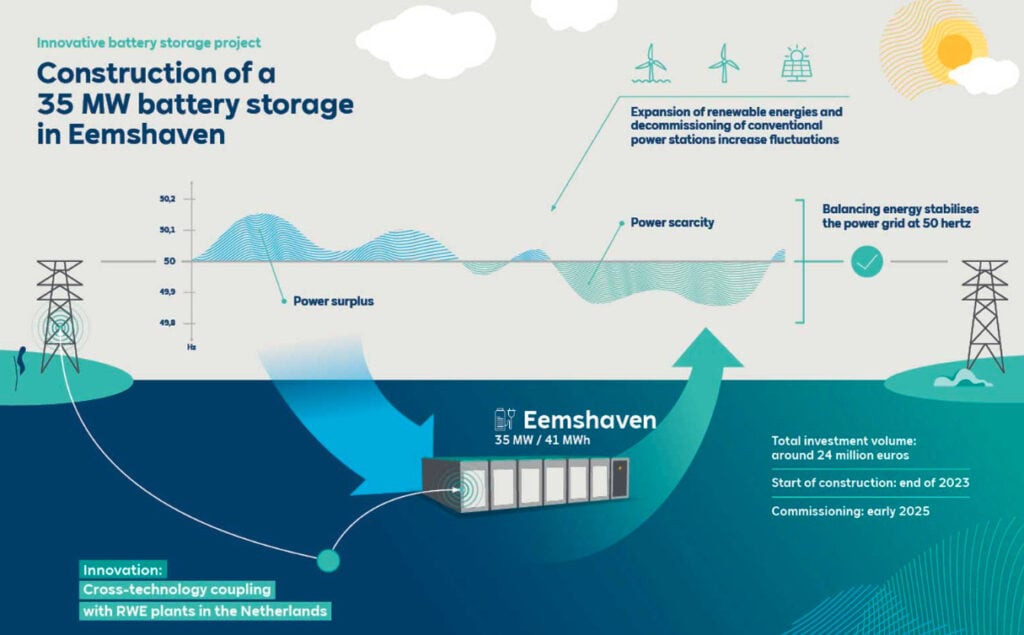
As with RWE’s projects in Germany, the BESS will be virtually coupled with its other power plants in the country to provide optimal energy management, either individually or as a group, visualised in an infographic below. It will charge and discharge to help maintain grid frequency, the company added.
Try Premium for just $1
- Full premium access for the first month at only $1
- Converts to an annual rate after 30 days unless cancelled
- Cancel anytime during the trial period
Premium Benefits
- Expert industry analysis and interviews
- Digital access to PV Tech Power journal
- Exclusive event discounts
Or get the full Premium subscription right away
Or continue reading this article for free
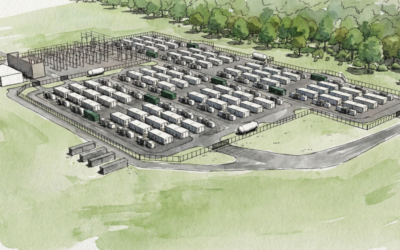
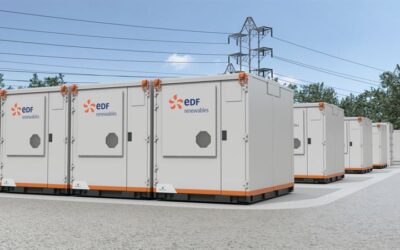
RWE has its own proprietary BESS enclosure, and the Netherlands project will comprise 110 lithium-ion battery racks.
Transmission system operator (TSO) TenneT, which manages parts of the grid in both the Netherlands and Germany, recently said the Netherlands needs 9GW of new energy storage by 2030 while utility Eneco recently said the government needs to do more to facilitate the growth of storage.
Developers active in the Dutch market include Giga Storage, which commissioned the country’s largest BESS at 48MWh last year, and Lion Storage, which has an early-stage pipeline of around 1,500MW/3,000MWh it aims to reach commercial operation in 2025/26.
This is its first BESS in the country but RWE has been among the most active companies in developing BESS projects in its home market of Germany, and also has projects elsewhere including the US and Australia.
In Germany, it recently turned on solar-plus-storage projects alongside its lignite mines in the Rhenish mining region of Germany while in June it started building Germany’s two largest BESS projects.
The same month saw it connect a 137MW/548MWh BESS to the grid in California, one of the final steps before reaching commercial operation.