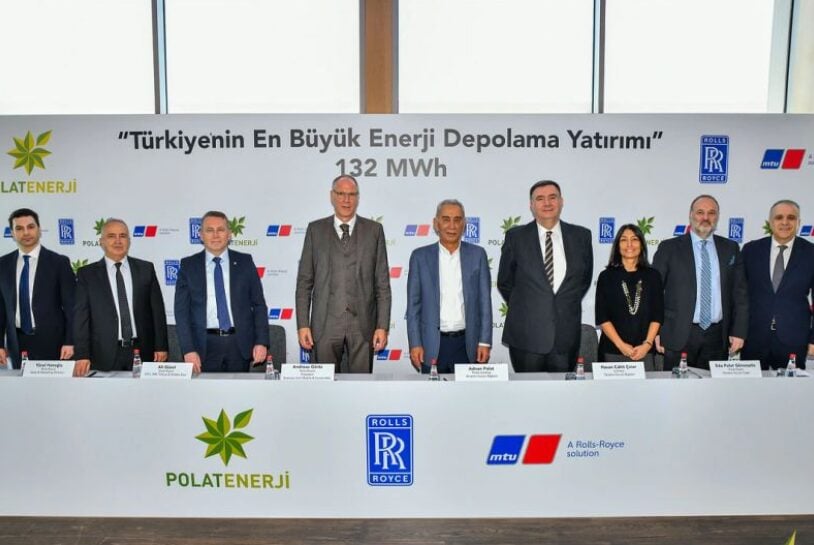
IPP Polat Energy is deploying multiple renewables-plus-BESS projects in Turkey, and has ordered a 132MWh BESS from the system integration arm of Rolls-Royce for one of them.
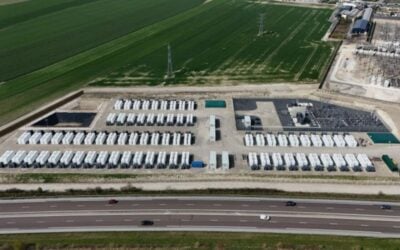
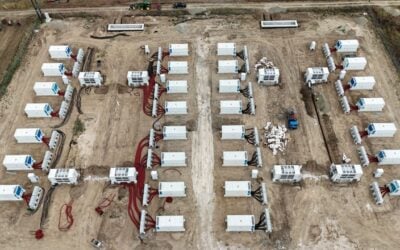
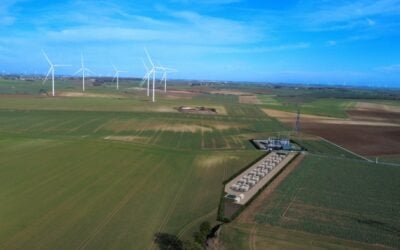
Polat announced the order today (15 January) which it claimed would go towards the largest battery energy storage system (BESS) project in Turkey. The project will be co-located with its Göktepe wind project, in western Turkey, to increase the plant’s output while also providing support to the wider grid.
Polat is an investor and independent power producer (IPP) which operates around 700MW of wind power across five plants, equating to 6% of Turkey’s installed wind energy capacity, the company said.
Rolls-Royce meanwhile is a UK-headquartered international power and technology solutions firm, specialising in aerospace and defence, and also has a BESS integrator arm. It has recently deployed large-scale BESS projects in the Netherlands and Latvia, and was the first system integrator to announce plans to use the latest, ‘zero-degradation’ BESS product from lithium-ion giant CATL.
Try Premium for just $1
- Full premium access for the first month at only $1
- Converts to an annual rate after 30 days unless cancelled
- Cancel anytime during the trial period
Premium Benefits
- Expert industry analysis and interviews
- Digital access to PV Tech Power journal
- Exclusive event discounts
Or get the full Premium subscription right away
Or continue reading this article for free
In related recent news, the European Bank for Reconstruction and Development (EBRD) announced it would provide a US$70 million loan package to Polat Energy for the development and construction of a 77MW hybrid solar and wind power facility in Turkey, which would include a 10MWh BESS.
Some US$5 million of that will come from the Clean Technology Fund, which will specifically go to the BESS portion. The solar will total 46.6MW and the wind will be 30.8MW.
Turkey is targeting net zero by 2053 and BESS are, in general, being co-located with renewables to help integrate a growing share of clean energy. This time last year, the government pre-licensed 25.6GW of colocated energy storage, and a month later local lithium-ion and BESS firm Kontrolmatik announced a 1GWh wind-plus-storage project, claiming it would come online in 2025.
A board member at an IPP with licensed storage projects, Aksa Energy, discussed the Turkish market in an interview for Energy-Storage.news Premium in April.