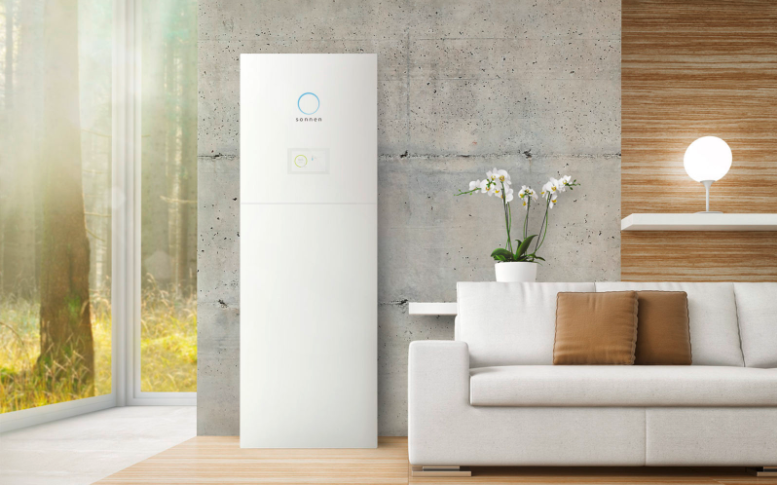
Europe saw an 83% increase in residential battery installations in 2022, according to research firm LCP-Delta.
The firm said that 1.8 million homes installed a home PV system while 455,000 homes installed a residential battery storage system too over the course of the year.
The majority of the batteries were sold with the PV system, meaning around one-in-four PV systems come with a battery, and there are now 1.1 million home batteries installed across the continent.
It’s not clear if the 83% figure refers to growth in annual installations or growth in absolute installations to-date, but the figures imply the former.
Try Premium for just $1
- Full premium access for the first month at only $1
- Converts to an annual rate after 30 days unless cancelled
- Cancel anytime during the trial period
Premium Benefits
- Expert industry analysis and interviews
- Digital access to PV Tech Power journal
- Exclusive event discounts
Or get the full Premium subscription right away
Or continue reading this article for free
The figures tally quite closely with those from trade body SolarPower Europe, which expected 420,000 home batteries to come online in 2022 pushing Europe “over the one million mark”, it said at the end of the year.
That equated to a total installed home battery storage capacity of 9.3GWh, SolarPower Europe added, with home battery systems typically anywhere from a few kWh to up to 20kWh at the largest.
The primary drivers leading the move to more home battery storage installations are three-fold, LCP said.
Consumers are increasingly looking to protect themselves from volatility in the energy market, while a shift away from feed-in-tariffs and net metering schemes and an increasing focus on optimising the self-consumption of PV are also contributing.
LCP Delta’s Dina Darshini commented: “The battery market is entering its early growth phase as more operators come into the market and the number of suitably qualified installers gradually increases.
“However, for the market to reach the next growth phase there is scope for policy initiatives to help increase uptake from households. For example, in Italy homeowners can get access to government subsidies which cover 90% of the cost of battery storage as the government encourages uptake.”
This is the ‘superbonus’, which has seen the Italian market grow to the second-largest in Europe after Germany, according to SolarPower Europe’s figures, although Germany is the largest by far.
Residential batteries have been the biggest segments in both Germany and Italy in the past few years, although the grid-scale market is starting to pick up in both too. Both countries have been the topic of feature articles in PV Tech Power in the past year, Solar Media’s downstream journal for the solar and storage markets; Italy’s for the most recent and Germany’s last year.